At a Glance
- A fragrance smells different on everyone because of skin chemistry, body heat, and the weather, so the bestseller at the counter isn't automatically your best match.
- Layering over unscented lotion and targeting lower pulse points like the back of your knees helps a scent diffuse upward and last longer.
- Store perfume somewhere cool and dark, generally between 55°F and 70°F, heat and light are what wear a fragrance down over time, more than time itself.
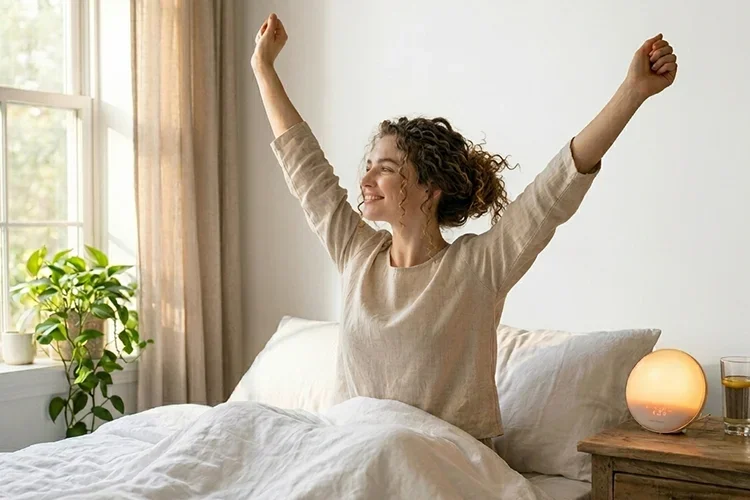
The unforgettable sillage: The secret to turning heads on a crowded street. (Image: AI-generated)
Someone walks past and for half a second you catch something that makes you turn your head. An hour later you’re still thinking about it, wishing you’d just asked what they were wearing. That’s not luck. And it’s not really about the bottle itself. It’s chemistry, timing, and a few small habits most people never bother to adjust.
A Few Thousand Years in the Making
Cleopatra reportedly took it even further. The story goes that she had the sails of her ships soaked in rose oil, so her fleet announced itself before it was even visible from shore.[2]
By medieval Europe, fragrance had become a straightforward status symbol, the kind of thing that told people who you were before you said a word. Then came Hungary Water in the 14th century, widely considered the first alcohol-based perfume. Legend has it the aging Queen of Hungary credited her rosemary-based tonic with restoring her youth so convincingly that a much younger king proposed marriage.[3]
The delivery method’s changed, rose-soaked sails to a spray bottle, but the goal hasn’t. People have always wanted to walk into a room before they do. The part that’s really yours, though, is what happens once it hits your skin.

Illustrates the ancient origins of fragrance as a timeless symbol of divinity and royalty. (Image: AI-generated)
What Makes a Scent Feel Like You
A fragrance finishes on your skin, not in the bottle. Body heat and humidity both change how a scent develops, which is why the same bottle can smell completely different on two people, and why testing on your wrist matters more than testing on paper.
Take the woody family. Sandalwood reads soft and warm, almost like a worn-in sweater. Cedarwood is sharper and more angular, closer to the smell of a freshly sharpened pencil. Reach for sandalwood on a slow day, cedarwood when you need to look sharp in a meeting.
Florals work the same way. People who say they don’t like floral scents often come around once a rose is paired with something like leather. The part that wins people over usually isn’t the flower at all, it’s the depth sitting underneath it in the base notes.
Layering Your Scent, Body and Space
A fragrance habit doesn’t have to stop at your skin. Treating your space the same way, a light layer here, a different note there, is where it starts to feel more like a ritual than a routine.
In a workspace, citrus notes like bergamot or grapefruit are a popular pick-me-up, plenty of people find the brightness helps them feel more alert, though the science on scent and focus is still more anecdotal than proven. Just air the room out first, layering fragrance into stale air works about as well as applying makeup over skin that hasn't been cleansed.
Making It Last
- Dab your perfume on, don't rub it in. Rubbing creates friction that breaks down the lighter top notes before they've had a chance to do their job.
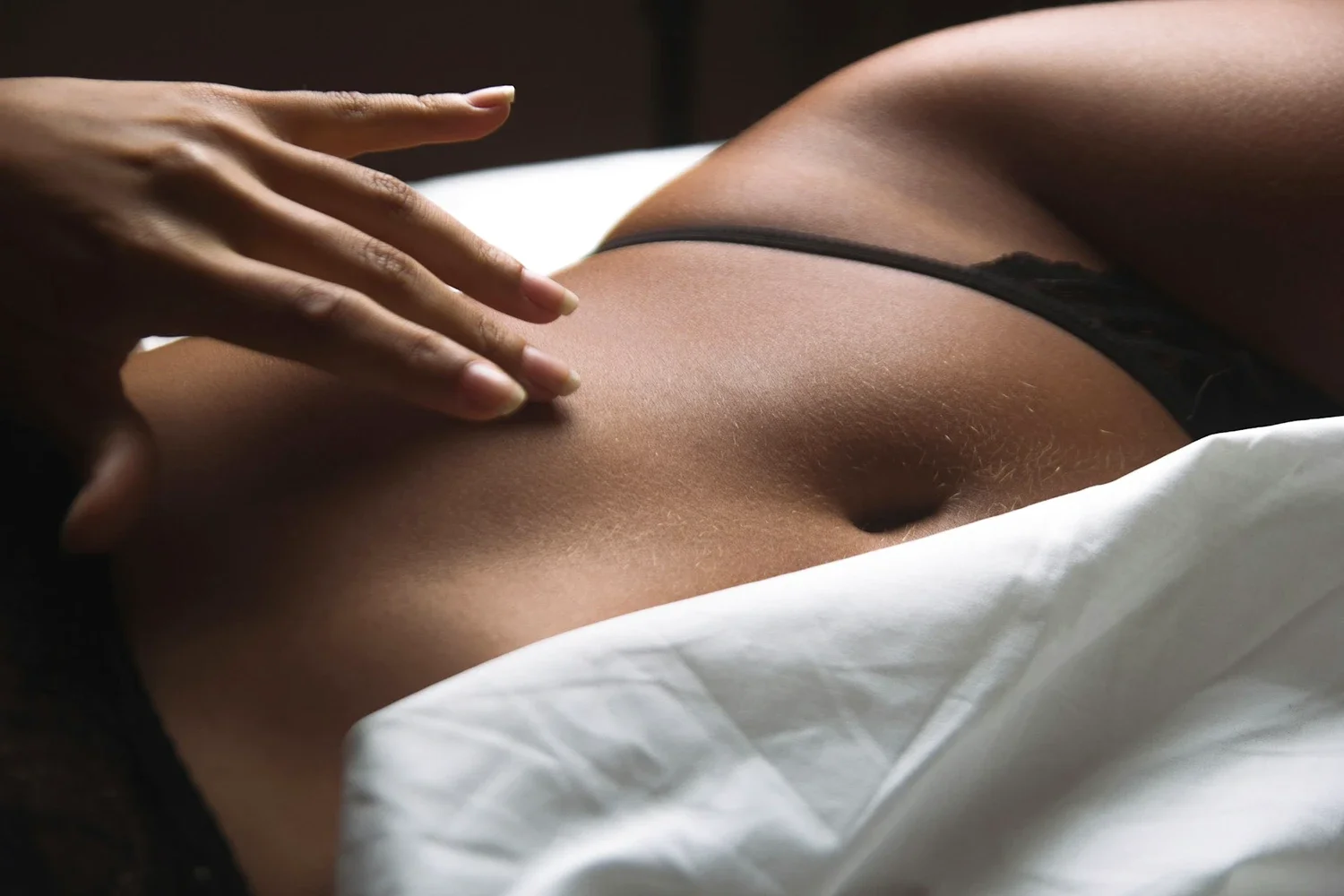
- Lower pulse points work better than people expect. The back of your knees or your ankles let scent rise naturally as you move, especially when layered over unscented lotion first.
- Skip the paper strip when testing something new. Give it at least an hour on your actual skin, and once humidity passes 80%, lighter, airier scents tend to read better than heavy ones.
- Still deciding? Start with a travel size, something around 0.3 ounces, before committing to a full bottle.
Frequently Asked Questions
-
Worth a little extra care, yes. Cats lack a liver enzyme that helps break down certain compounds, including some found in essential oils, and that sensitivity, along with how strong their sense of smell is, means perfumes and diffusers can affect them more than they would a dog or a person.[6] Spraying in a separate, well-ventilated room, or making it part of your routine to spritz on your way out the door, keeps things comfortable for everyone in the house.
-
Not really, past a certain point. Oversaturating your skin doesn’t change how fast the top notes break down, it just means you’re using more product for the same outcome. Technique, dabbing instead of rubbing, targeting the right spots, layering over moisturized skin, does more for longevity than volume ever will.
-
Not necessarily. If you’re prone to allergies or contact irritation, spraying onto the lining of your clothes or the ends of your hair gives you the same effect without putting fragrance directly on reactive skin.
A Little Goes a Long Way
Smelling incredible was never really about finding the one perfect bottle. It’s chemistry meeting a few small habits, where you store it, how you apply it, how you layer it into the rest of your life. Get those basics right, and the compliments tend to follow on their own.
Sources & References
- [1] Britannica Editors (n.d.). "Perfume." Encyclopedia Britannica.
- [2] Cowie, A. (2019). "Cleopatra's Perfume Recreated – A Scent That Once Masked The Odor Of Sour Donkey Milk!" Ancient Origins.
- [3] Goutell, P. (n.d.). "Hungary Water (c. 1370)." Perfume Projects.
- [4] Pacheco, D. (n.d.). "The Best Temperature for Sleep." Sleep Foundation.
- [5] YSL Beauty (n.d.). "Your Essential Guide to Perfume Storage." YSL Beauty Australia.
- [6] Benson, K. (2018). "Essential Oils and Cats." Pet Poison Helpline.
Read Next