Probiotics vs. Lactic Acid Bacteria: What’s the Real Difference?
At a Glance
Click a point below to jump to the details.Key criteria for choosing effective probiotics to support your gut health. (Image: AI-generated)
In the modern wellness landscape, gut health is recognized as the cornerstone of not just digestion, but also immunity and mental clarity.
However, the terminology used in supplements can often be confusing.
To make an informed choice for your body, it is essential to understand the scientific distinctions between commonly used terms like probiotics and lactic acid bacteria.
The Scientific Difference Between Probiotics and Lactic Acid Bacteria
Many people assume these two terms are identical, but they actually represent different classifications in microbiology.
Lactic Acid Bacteria (LAB)
This is a functional group of bacteria that ferment carbohydrates into lactic acid. They are found naturally in fermented foods like kimchi, yogurt, and sauerkraut.
While they are crucial for food preservation and flavor, not all lactic acid bacteria have a proven health benefit once consumed.
Probiotics
In other words, a probiotic is a high-level title given only to specific bacteria that have been scientifically proven to provide health advantages.
The Relationship
Probiotics include many lactic acid bacteria, but they also encompass beneficial yeasts (like Saccharomyces boulardii) and other types of bacteria.
Therefore, "probiotics" is the broader, more significant umbrella term for health supplements.
The Power of the Gut Microbiome
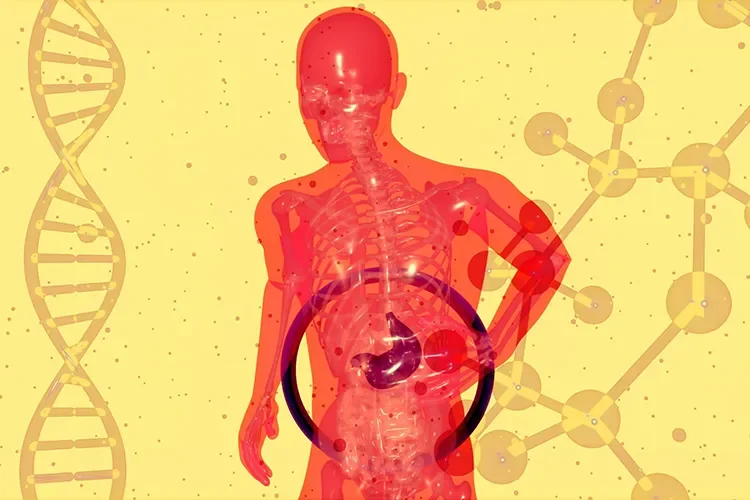
Your gut is home to a complex community of over one hundred trillion microorganisms known as the microbiome.
When your internal ecosystem is out of balance—a state known as dysbiosis—it can lead to systemic inflammation, beyond just simple bloating or irregular bowel movements.
Credit: Julien Tromeur / Unsplash
How Probiotics Improve Systemic Health
High-quality, clinically studied probiotics work as architects of your internal environment by educating your immune system and maintaining structural integrity.
Strengthening the Gut Barrier
Probiotics help maintain a tight seal in the intestinal lining, preventing toxins and undigested food particles from entering the bloodstream—a condition often referred to as leaky gut.
Inhibiting Harmful Pathogens
They produce natural antimicrobial substances and lower the pH level of the gut, making it difficult for pathogens like E. coli or Salmonella to survive.
Immune Modulation
They interact with immune cells to balance the body's response, potentially reducing the risk of allergies and autoimmune flare-ups.
Nutrient Synthesis
Beneficial bacteria assist in the production of Vitamin K and several B vitamins, while also improving the absorption of minerals like calcium and magnesium.
The Gut-Brain Axis Mental Health and Your Microbiome
The "gut-brain axis" is one of the most exciting areas of modern medicine. Your gut is responsible for producing more than ninety percent of your body's serotonin, the neurotransmitter often called the "happy hormone." An unhealthy gut can disrupt the production of these chemicals, leading to brain fog, anxiety, and mood swings.
Selection Criteria for a Clean Probiotic Supplement
Specific Strain Identification
A label should list more than just the genus and species. Look for specific strain numbers (e.g., GG or NCIMB 30117), which indicate that the specific bacteria have been used in successful clinical trials.
The Truth About CFU (Colony Forming Units)
The initial number of bacteria added is less important than the "guaranteed at expiration" count. For healthy adults, a range of one billion to ten billion CFU is generally recommended for daily maintenance.
Synergy with Prebiotics
Synbiotic products, which combine probiotics with their food source (prebiotics), often have higher rates of successful colonization within the gut.
The "Clean" Standard
Ensure your supplement is free from unnecessary flow agents like magnesium stearate, silicon dioxide, or artificial colors and sweeteners.
Best Practices for Storage and Consumption
Since you are dealing with live biological organisms, how you handle the supplement determines its efficacy.
Temperature Control
If a product requires refrigeration, it should be kept below forty degrees Fahrenheit. Even shelf-stable products should be stored in a cool, dark, and dry environment.
Timing Matters
Taking probiotics with a glass of lukewarm water on an empty stomach can help them bypass stomach acid more effectively.
Consistency is Key
The gut landscape does not change in a day. It typically takes four to eight weeks of daily consumption for beneficial bacteria to establish a stable presence in your microbiome.
Three FAQs About Taking Probiotics
-
In general, taking them with lukewarm water on an empty stomach in the early morning, when stomach acid is at its lowest, is considered advantageous for the bacteria to reach the intestines alive.
However, if you have a sensitive stomach and feel discomfort, taking them during or right after a meal is perfectly fine; the most important factor is consistency in taking them at a fixed time every day.
-
Since probiotics are live organisms that are highly vulnerable to heat, you should avoid taking them with hot coffee or tea.
High temperatures can kill the bacteria, so it is best to avoid taking them with lukewarm or cold water, and it is best to wait at least thirty minutes before or after consuming caffeinated beverages.
-
While consuming various strains can be positive for gut microbial diversity, simply mixing many products isn't always the answer. If the total Colony Forming Units (CFU) from all products becomes excessive, it can actually cause bloating or diarrhea, so it is safer to monitor your body's reaction and increase the variety gradually.
Side Effects and When to Consult a Doctor
Probiotics are generally safe for the vast majority of people.
Some may experience mild gas or bloating during the first few days as the gut environment reshapes itself.
However, individuals with severely compromised immune systems, or those with central venous catheters, should consult their physician before starting a regimen, as there are rare risks of serious infections in these specific populations.
Sources & References
- [1] Hill, C., et al. (2014). "Expert consensus document. The International Scientific Association for Probiotics and Prebiotics consensus statement on the scope and appropriate use of the term probiotic." Nature Reviews Gastroenterology & Hepatology. (PMID: 24912386)
- [2] Vighi, G., et al. (2008). "Allergy and the gastrointestinal system." Clinical & Experimental Immunology. (PMC: 2515351)
- [3] Appleton, J. (2018). "The Gut-Brain Axis: Influence of Microbiota on Mood and Mental Health." Integrative Medicine: A Clinician's Journal. (PMC: 6469458)
- [4] ISAPP Science. (2024). "Probiotics: Resource for Consumers." International Scientific Association for Probiotics and Prebiotics.
Read Next