How to Start Retinol Without the Purge Using a 4 Week Roadmap
At a Glance
Click a point below to jump to the details.Credit: PLANTADEA / Unsplash
In our rush to see results, we often push our skin too hard. But your skin isn't a problem to be solved with force, as it functions much more like a delicate garden that needs patient, tender care. Retinol, a powerful gift from Vitamin A, is amazing for your skin, but it always requires a proper "getting-to-know-you" period to truly work its magic.
Why wait 4 weeks?
Deep beneath your skin, there is a 'Baby Cell Factory.' In a healthy adult, it takes about 28 to 40 days for a brand-new cell to be born, travel to the surface, and push away the old, tired cells. (Experts call this the 'Cell Turnover Cycle.')
Retinol acts like a cheerleader for this factory, encouraging it to produce fresher, healthier cells faster. But if the factory speeds up too suddenly, it can get overwhelmed! This can lead to dryness or a weakened barrier. That’s why we give it 4 weeks—to let your skin find its new, healthy rhythm.

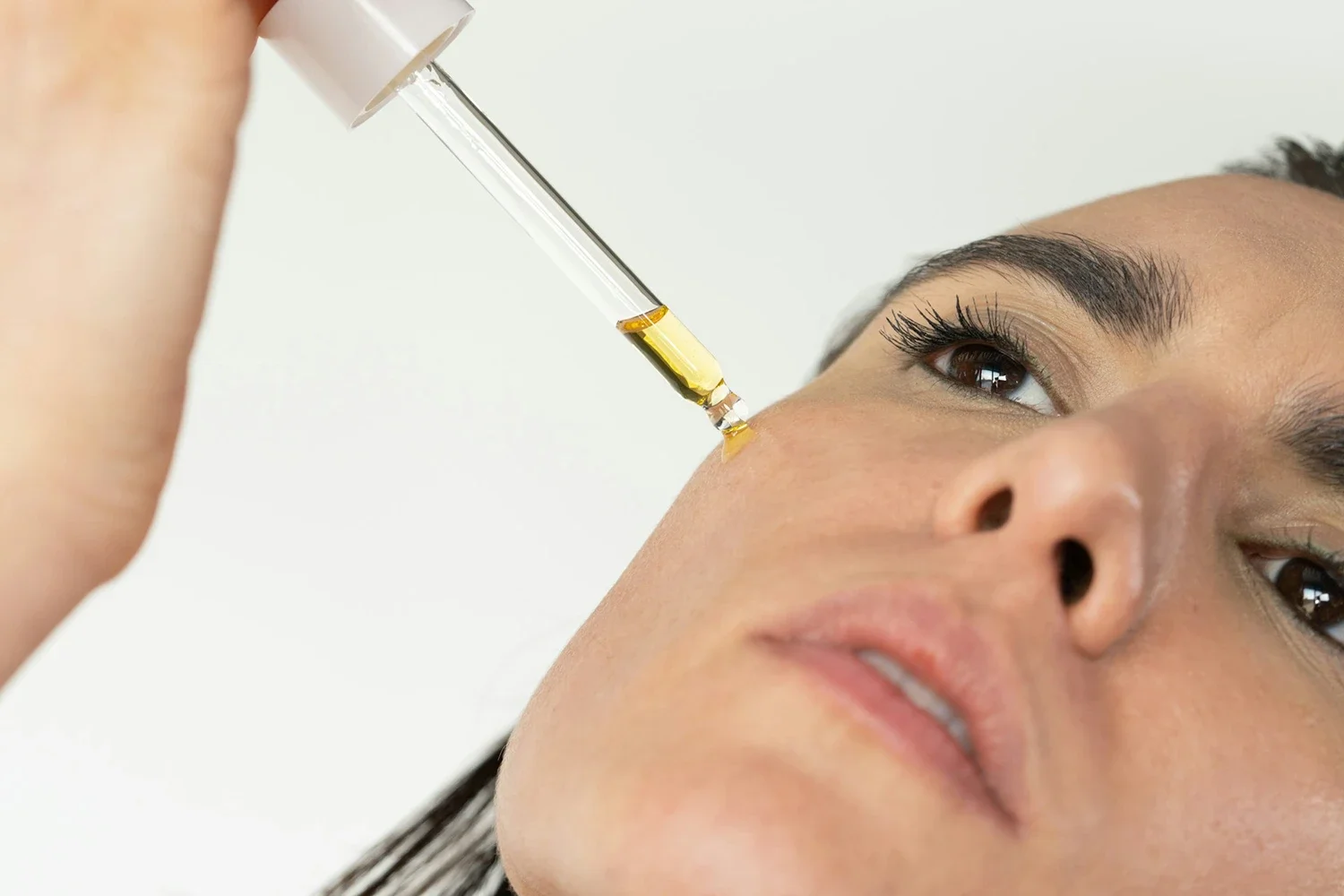
Start your 4-week mindful journey to resilient, radiant skin. (Image: AI-generated)
The 4-Week Ritual: A Step-by-Step Guide
Weeks 1 & 2: A Gentle Introduction
The goal here is "patience over power." Start by using retinol only twice a week—for example, on Monday and Thursday.
You might not see a huge change yet, and that’s perfectly okay. Even a tiny amount of retinol is already waking up your cells deep down. We are building a strong foundation without scaring your skin.
Week 3: The Conversation Starts
By the third week, your skin might start talking back. You may notice a little dryness or delicate peeling around your nose and mouth. Don't worry—this isn't "bad" skin; it’s just your skin saying, "I’m working hard to adapt!"
If your skin feels calm, you can try using it three times a week (every other night). But if your usual lotion starts to sting, go back to twice a week. In skincare, peace is more important than speed.
Week 4: Newfound Resilience
Congratulations! After a month, your skin is ready to welcome retinol as a regular guest. You’ll start to notice a smoother texture and a brighter complexion. If your skin feels strong, you can maintain the every-other-night rhythm or slowly move up to 5 nights a week.
The 'Sandwich Method': A Blanket for Your Cells
Right after cleansing your face, apply your favorite gentle, fragrance-free moisturizer. This builds an initial protective cushion that readies your delicate skin barrier for the active ingredients to come.
Carefully dispense a pea-sized amount of retinol and smooth it evenly over your first layer of moisturizer. This smart intermediate placement effectively paces the absorption speed, shielding your skin cells from an abrupt shock.
Follow up with another light layer of your moisturizer to safely lock the routine in place. This closing step safeguards the full anti-aging benefits of retinol while ensuring your skin barrier stays wonderfully comfortable throughout the night.
- Ensure your first moisturizer layer is entirely absorbed before applying your retinol.
- Stick strictly to a pea-sized amount, as using more will only increase potential irritation rather than speed up results.
- If your skin barrier feels extra delicate, opt for moisturizers rich in ceramides or centella asiatica to pair with this method.
A Promise to Your Skin (Safety Precautions)
As wonderful as retinol is, it isn't for everyone.
Please keep these promises:
For Mamas-to-be: Retinoids are generally advised against during pregnancy or breastfeeding as a safety precaution. During this special time, try 'Bakuchiol,' a gentle plant-based alternative.
If Your Skin is Hurting: If you have active eczema or severe rosacea, retinol might irritate the inflammation further. Always consult your doctor before starting.
Under the Sun: Retinol thins the layer of dead skin, meaning your "new" skin can burn easily. Sunscreen is non-negotiable every morning!
» Related Article: Sunscreen is the one step that makes your retinol work.
Frequently Asked Questions
-
It is possible for many with sensitive skin, provided that caution is exercised.
The key is to start with a very low frequency and utilize the "Sandwich Method." By applying retinol between layers of moisturizer, you create a protective buffer that helps minimize potential irritation while allowing the skin to adapt gradually.
-
Retinol works by bringing fresh, new skin cells to the surface. These "baby cells" are incredibly delicate and prone to sun damage. Skipping SPF can lead to dark spots or even burns, so think of your sunscreen as the ultimate bodyguard for your glowing results.
-
Don’t panic—it’s a sign your skin is transforming. Flaking is a common side effect of increased cell turnover. If it happens, simply hit the pause button for a few nights, focus on deep hydration, and return to your routine only when your skin feels calm again.
Best Friends and Bitter Rivals
Let retinol be the "Solitary Star" of your night, but remember that even a star needs the right supporting cast.
Take Vitamin C, for instance. It makes an excellent partner when timed correctly. You can use Vitamin C in the morning to protect your skin from daytime stressors, and save your Retinol for the night to focus on deep repair. Pairing them together in the exact same routine is simply too harsh for most skin types.
On the other hand, you will want to keep a safe distance from harsh exfoliants like AHAs and BHAs. Because Retinol is already working overtime to manage your skin's renewal, adding strong acids on top can easily over-strip your delicate barrier. When it comes to building a resilient complexion, keeping it simple is always your best strategy.
Sources & References
- [1] Mukherjee, S., et al. (2006) "Retinoids in the treatment of skin aging" Clinical Interventions in Aging - PMC Archive
- [2] Zasada, M., & Budzisz, E. (2019) "Retinoids: active molecules influencing skin structure formation in cosmetic and dermatological treatments" Postepy Dermatologii i Alergologii - PMC Archive
- [3] Bozzo, P., et al. (2011) "Safety of skin care products during pregnancy" Canadian Family Physician - PMC Archive
Read Next