Ultimate Guide to Clearing Back and Chest Acne: Habits You Need to Change Now
At a Glance
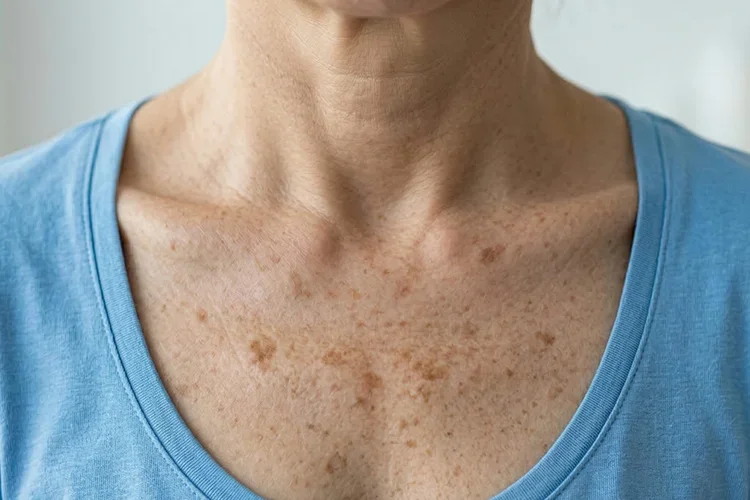
Click a point below to jump to the details.Experience the transformative result of consistent skincare on overall skin radiance and vitality. (Image: AI-generated)
While many of us invest in complex multi-step routines for our faces, the skin on our bodies is often neglected.
Since this skin is usually covered by clothing, it is easy to ignore breakouts on the back and chest until they become a significant concern. However, body acne can leave long-lasting scars, making it crucial to address the root causes early through consistent daily habits.
Understanding the Root Causes of Body Acne
The skin on your back and chest contains a high concentration of oil-producing glands.
Because the skin in these areas is thicker than facial skin, dead cells can easily trap oil and bacteria deep within the pores, leading to inflammation known as bacne (back acne) and chestne (chest acne).
While the instinct is to reach for harsh chemical cleansers, the real culprit is often found in subtle mistakes within our daily hygiene routines.
Why Men with Short Hair Aren't Exempt
Men with short hair often believe that hair product residue doesn't reach their backs, but this is a common misconception.
Even with short hair, the powerful cleansing agents in shampoo and the smoothing silicones in conditioners inevitably run down your back during the rinsing process.
If you don't thoroughly cleanse the residue from your skin, even the best body wash won't be able to prevent clogged pores.
The Hidden Impact of Underwear Fabrics
Your choice of undergarments plays a direct role in body skin health.
Many women prefer lace underwear, and while these often feature a cotton gusset for the most sensitive areas, the rest of the garment is typically made from synthetic fibers like nylon or polyester. These materials are notorious for poor breathability.
The Importance of Cotton
If you are prone to breakouts on your hips or lower back, switching to 100% cotton is essential. Cotton allows for superior airflow and moisture absorption.
Avoiding Friction
The coarse texture of certain lace fabrics can create tiny, invisible scratches on the skin, allowing bacteria to enter and cause inflammation.
Making the Right Choice
The Impact of Haircare Residue on Your Skin Barrier
The most effective strategy is to finish your entire hair routine—including shampooing and deep conditioning—before you wash your body.
Once your hair is thoroughly rinsed, use a gentle body wash to cleanse away any remaining residue from your back and chest.
This simple adjustment to your shower sequence can significantly reduce flare-ups within just a few weeks.
Maintaining Towel Hygiene and Replacement Cycles
The towel you use to dry off might be reintroducing bacteria to your freshly cleaned skin. Bathrooms are high-humidity environments where bacteria and mold thrive on damp surfaces.
Even if a towel looks clean, using it multiple times without proper drying can trigger inflammation.
It is best to use a fresh, dry towel every day. If that isn't possible, ensure your towel is hung in a well-ventilated area outside the humid bathroom to dry completely.
Additionally, replace loofahs or shower sponges every 2 to 3 months to prevent bacterial buildup.
Optimizing Water Temperature and Moisture Balance
Hot showers can strip the skin of its essential natural oils. When the skin barrier is compromised by excessive heat, the body compensates by overproducing sebum, leading to the skin making extra oil to fix dryness. This excess oil is a primary driver of body breakouts.
Aim for a lukewarm water temperature, ideally between 98°F and 105°F (approximately 37°C to 40°C). Limit your shower time to under 15 minutes to prevent dehydration.
A Crucial Note for Sensitive Skin
While lukewarm water is generally recommended, individuals with atopic dermatitis (eczema) or extremely dry skin should exercise extra caution.
For these skin types, water temperatures near 105°F (40°C) can be too aggressive, stripping away the fragile skin barrier. If your skin is prone to irritation, keep the temperature closer to your body heat, shorten your shower to under 10 minutes, and avoid harsh scrubbing to prevent flare-ups.
Frequently Asked Questions
-
Correcting your habits is a defensive strategy to prevent new breakouts. While scars and pigmentation take time to fade based on your skin's natural regeneration cycle, removing the source of clogged pores gives your skin the breathing room it needs to heal. If you want faster results, you can combine these habits with a body mist containing chemical exfoliants (AHA or BHA). But remember—if you don't change the basic habits, no expensive ointment can fix the problem for good!
-
Leaving sweat and dirt on your skin after a workout is like rolling out the red carpet for acne. If you're worried about dryness, lower the water temperature and use a minimal amount of body wash only on prone areas.
The key is to rehydrate with a lightweight moisturizer immediately after. Too lazy? Then get used to those breakouts. The choice is yours!
-
It is likely not the product's fault, but your rinsing habits. Even the best ingredients can become irritants if they aren't rinsed off completely. The center of the back is notoriously difficult to reach, often leaving soap residue behind. Use strong water pressure and rinse until your skin feels absolutely clean. Your pores will finally start to breathe!
Commitment to Sustainable Body Care
Body care is not about overnight miracles; it is about the power of consistency. By implementing these fundamental changes, you allow your skin the space and environment it needs to heal naturally.
You don't need a shelf full of expensive products to achieve your "Prime Era" glow—you just need the discipline to maintain the right habits.
Take a moment to evaluate your current routine, since the journey to your peak version starts with these simple, high-impact steps.
Sources & References
- [1] American Academy of Dermatology (AAD) "Back acne: How to see clearer skin." General clinical guidelines for truncal acne.
- [2] Feng, X., Chen, Y., & Liu, Y. (2024) "Truncal Acne: Pathophysiology, Clinical Features, and Management Strategies." Latest comprehensive review on back and chest acne.
- [3] Journal of the American Academy of Dermatology (2019) "Randomized phase 3 evaluation of treatment of moderate facial and truncal acne." Evidence on the clinical severity and treatment of body acne.
- [4] National Institute of Arthritis and Musculoskeletal and Skin Diseases "Acne: Causes, Diagnosis, and Treatment." Fundamental pathophysiology and external trigger analysis.
- [5] Purnamawati, S., et al. (2017) "The Role of Moisturizers in Addressing Various Kinds of Dermatitis: A Review." Journal of Clinical and Aesthetic Dermatology.
Disclaimer: This content is for informational purposes only. Always seek professional medical advice. Some imagery is AI-generated for educational clarity. Copyright © 2026 TheWellnessExaminer. All rights reserved.