
Washed an Hour Ago, Still Smells Like a Locker Room, Here's Why
At a Glance
- Scalp odor is rarely a hygiene problem. More often, it's trapped moisture, left behind by a rushed drying step or too long in a towel.
- Not every scent means the same thing. Musty points to leftover moisture. Oily or yeasty means the scalp's microbiome needs a reset.
- None of this needs a full routine overhaul. Dry the roots first, add a weekly clarifying shampoo, and that covers most of it.
A towel like this holds in warmth and moisture long enough for bacteria to move in. (Image: AI-generated)
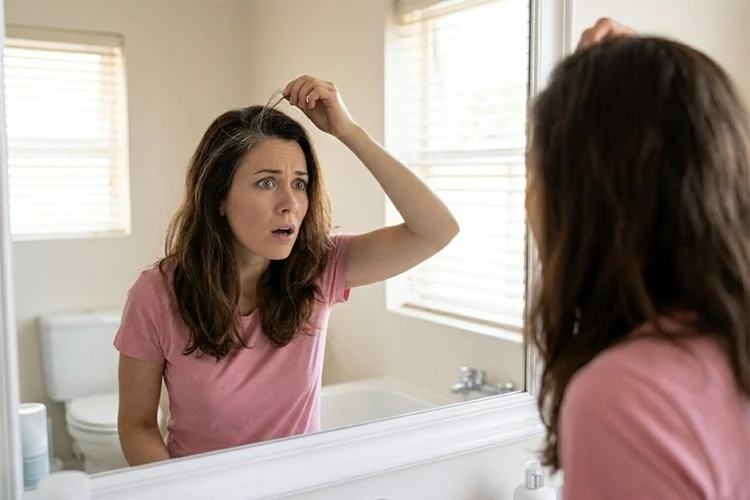
It's a familiar moment. You lean in for a hug, or the wind catches your hair at just the wrong angle, and there it is, a scent closer to a locker room than anything that belongs on freshly washed hair.
In the beauty world, this gets called Smelly Hair Syndrome. Less a diagnosis, more a sign the scalp's ecosystem has drifted out of balance.
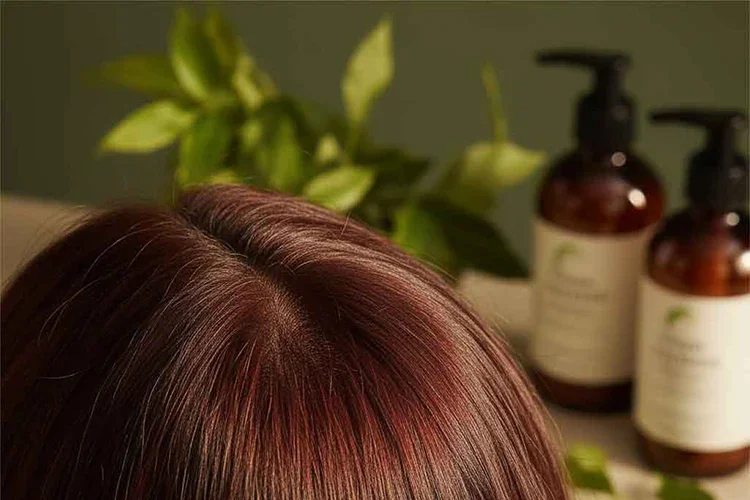
Think of the scalp as an extension of facial skin, just with more oil glands and far more follicles for debris to settle into. Give it the same attention your face already gets, and the rest of the hair tends to follow.
The Common Causes of Scalp Odor
Most odor starts at the scalp, not the strands. Humidity is usually the first factor. Tying up wet hair is an obvious mistake, but wrapping it in a towel for twenty minutes or letting it air-dry unattended does just as much damage, quietly, in the background.
What Your Scalp Is Communicating
Scent is information. Here's what each one is pointing to.
Sour Milk or Musty Scent
A classic sign of trapped moisture, the same effect as a damp towel left balled up in a gym bag. It shows up after sleeping on wet hair, or wearing a hat for hours. The fix is straightforward. Let the scalp breathe, and get the roots properly dry.
Oily or Yeasty Scent
A fermented note usually means oil buildup paired with fungal activity, closer to bread dough than anything to be alarmed about. Tea tree oil or salicylic acid, a gentle exfoliant that clears dead skin cells, is worth working in at this point.
Metallic Scent
Less common, but hormonal shifts or hard water (water carrying a heavy mineral load) can bring on a coppery smell, almost like handling old coins. A filtered showerhead solves this more often than not.
Heat Scent
A faint burnt smell with no styling tools involved usually points to inflammation, the scalp's way of waving a flag. Best move is to pause active treatments and drop back to a gentle, pH-balanced routine.
Restoring Freshness from Root to Tip
Perfume doesn't solve this. It just adds a second scent on top of the first, and now there are two competing instead of one. The scalp deserves the same care as facial skin, nothing more complicated than that.
Swap in a clarifying shampoo once a week for a deep clean. It's a stronger, sulfate-based formula built to strip the silicone, product, and mineral buildup regular shampoo leaves behind.
Fingertips, not nails. A silicone scalp brush works well too, loosening buildup and supporting circulation at the same time.
Air-drying is fine, but blow-dry the first inch at the roots regardless. Clearing that moisture quickly is what keeps a damp, trapped-heat effect from setting in.
Diets heavy in high-glycemic, processed sugars have been linked to increased sebaceous (oil) gland activity, the same pathway acne research points to.[3] Your scalp carries the same type of oil glands as the rest of your skin, so what you eat may well show up there too.
Frequently Asked Questions
-
Frequency matters less than drying. Wash daily and leave the scalp damp, and bacteria still get their opening. Harsh sulfates add a second problem. Strip the scalp too often, and it overproduces oil to compensate. The fix isn't washing more. It's drying properly and keeping the routine pH-balanced.
-
Not every strand needs to be dried to perfection. For thick hair, the first inch at the roots, especially at the nape, is usually enough to keep odor in check. The lengths can air-dry freely. The roots are what actually decide whether the scalp stays fresh.
-
Yes. Sweat carries water and salts, and left on the scalp, that combination turns into a breeding ground for bacteria. The gym isn't the problem, though. Wash as soon as reasonably possible afterward. Can't get to a shower right away? A blow dryer on the cool setting clears the excess moisture from the roots well enough in the meantime.
When to Bring In a Dermatologist
If the odor persists despite a solid routine, or shows up alongside intense itching and ongoing redness, that's the point to see a dermatologist rather than keep adjusting on your own. An underlying condition may be driving it, and that calls for a professional diagnosis, not another product.
For most people, though, the fix is simpler than it feels. Perfume covers the scent for an hour and layers a second one on top of it. Treating the scalp directly is what actually solves it.
Keep it dry, keep it clear, and give it the same attention the rest of your face already gets. Small habit, real difference.
Sources & References
- [1] Guo, Y., et al. (2026). "Scalp Microbiome Composition in Young Women: Associations with Scalp Type, Sensitivity, and Lifestyle Factors." Life.
- [2] Paul, J. K., et al. (2025). "Unlocking the Secrets of the Hair Microbiome: From Scalp Health to Therapeutic Advances." The Microbe.
- [3] Meixiong, J., et al. (2022). "Diet and Acne: A Systematic Review." JAAD International.
Read Next





Are you feeling discouraged every time you look in the mirror because your hair feels thinner? Are you tired of taking supplements that don't seem to work? It’s helpful to look beyond the ingredients on the back of your shampoo bottle.