
At a Glance
- Your scalp and face aren't separate structures, they share one continuous sheet of connective tissue that surgeons operate through during facelifts.
- That connection is real, but it's specific. The tissue up top is tied to how heavy your brow and upper eyelids look, not your jawline or your whole face.
- A handful of simple scalp habits, gentle products, sun protection, cooler water, are reasonable self-care, even without any anti-aging promises attached.
- Scalp massage has some research behind it, just not the kind you’d expect. A small study linked it to slightly thicker hair, not a tighter face.
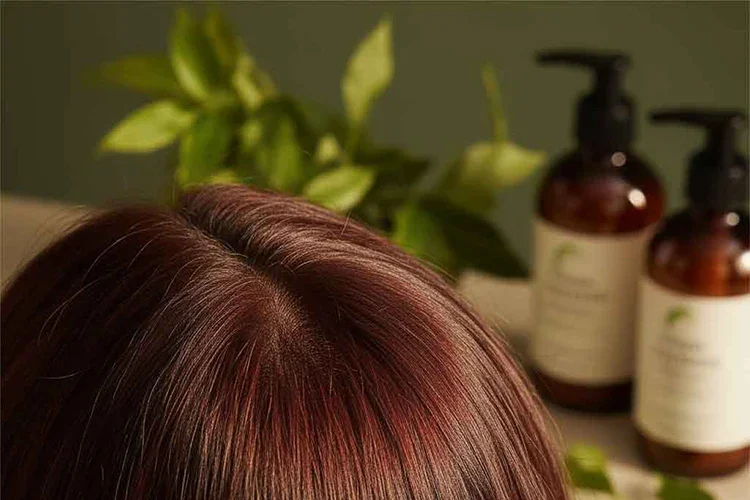
Gentle products and lukewarm water are simple ways to look after your scalp. (Image: AI-generated)
Somewhere along the way, scalp care picked up a reputation as the secret to a tighter jawline. That part isn’t quite true. But underneath the exaggeration is a piece of anatomy that’s genuinely worth knowing, and it has more to do with your eyebrows than your jawline.
Backstory
In the late 1960s, a Swedish plastic surgeon named Tord Skoog tried something different with a facelift. Instead of just pulling and trimming skin, he dissected along a deeper layer of fascia underneath it, and the results lasted noticeably longer.
A few years later, two surgeons, Mitz and Peyronie, went back and mapped that layer properly. In 1976, they gave it a name, the superficial musculo-aponeurotic system, or SMAS, and the anatomical study they published changed how facelifts were done from that point forward.
Real Anatomy
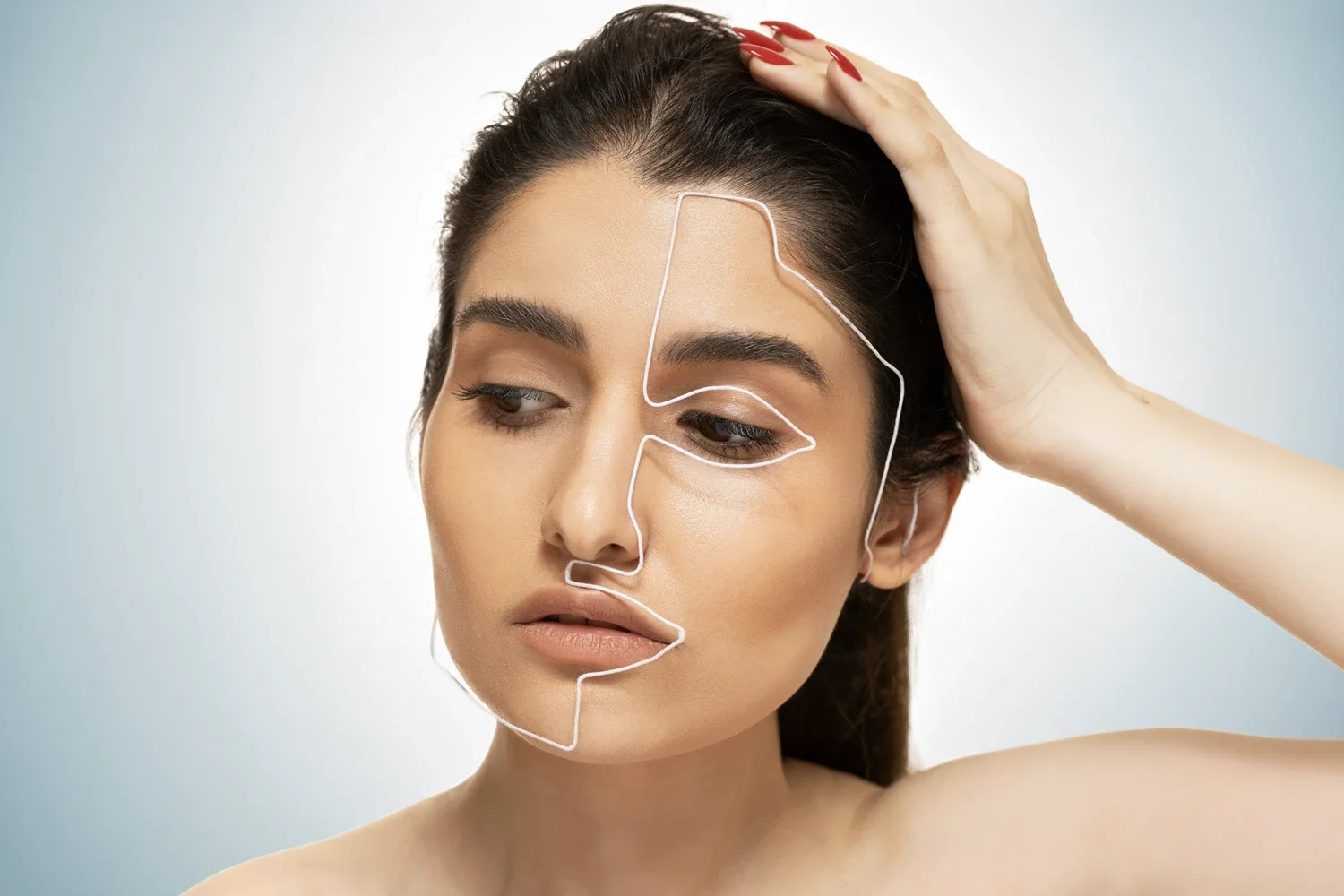
In other words, your scalp and your face were never really two separate things. They’re stitched together by one continuous sheet, the same sheet surgeons already work with when they lift a face.
What This Means And What It Doesn’t
What the connective tissue running through your forehead and scalp is linked to is more specific, your brow. As the skin, connective tissue, and frontalis muscle across your forehead lose some elasticity with age, that's one of the recognized mechanisms behind a heavier, lower-sitting brow line.
Surgeons who treat this call it brow ptosis, and it's addressed as its own targeted procedure, a browlift can be done on its own, separate from a midface lift, not a domino that drags the rest of your face down with it.[2]
So here’s the honest version. Your scalp and your forehead tissue have a real, physical relationship with how heavy your eyebrows and upper eyelids look. Your jawline is a different story, with its own causes.
Scalp Habits Worth Keeping
Switching to a milder, sulfate-free shampoo is a reasonable call if your scalp tends to feel tight, flaky, or irritated after washing. Harsh detergents can disrupt your scalp's skin barrier the same way they can on your face. That's a comfort and skin-health habit worth having, not a collagen-saving one.
A daily scalp massage does have real research behind it, just not the kind usually advertised. In one small study, nine healthy men used a scalp massage device for four minutes a day, and after 24 weeks their hair strands were slightly thicker. Lab tests on cultured hair follicle cells suggested the gentle stretching from massage may be part of why.[3] If you enjoy it, it's a fine habit for your hair, just don't expect it to firm up your face.
Your part line and the top of your scalp catch a lot of direct, overhead sun, and it's easy to forget that skin exists when you're reaching for SPF. A hat, or a quick pass of sunscreen along an exposed part line, protects that skin the same way sunscreen protects anywhere else prone to sun damage.
Very hot water can strip natural oils from your scalp just like it can from the rest of your skin, leaving it drier and more prone to irritation. Lukewarm water is the gentler choice, and it's a small, easy swap.
None of these four habits will out-anchor gravity on their own. But they’re honest, low-effort ways to take care of the one piece of you that’s more connected to your face than you probably realized.
Frequently Asked Questions
-
Realistically, weeks to months, not days. The scalp massage study above ran for 24 weeks to see its hair-thickness results,[3] and skin-barrier or sun-protection habits work more as cumulative prevention than a quick fix. Patience is the biggest ingredient here.
-
That’s really a conversation for a dermatologist or facial plastic surgeon rather than something to self-diagnose from an article. Brow ptosis is a recognized, treatable condition, and professionals assess it based on how much the brow has descended and how it’s affecting you, not a one-size-fits-all answer.
-
Not at all, it’s just worth knowing what it’s doing for you. A small study linked daily massage to slightly thicker hair strands over 24 weeks,[3] and if it feels good, that’s a perfectly good reason to keep doing it on its own.
Takeaway
Your scalp and your face really do share the same sheet of tissue, and that’s a legitimately interesting piece of anatomy, not a marketing stretch. What that connection buys you is narrower than a lot of wellness content suggests, a say in how heavy your brow sits, not a lever for your whole face. The four habits here, gentle products, a massage you enjoy, sun protection higher up than you’d think, water that isn’t scalding, are worth keeping for their own sake. They won’t do the job gravity and time are doing to your face, but they add up to one more part of you getting the same basic care as the rest of your skin.
Sources & References
- [1] Yang, A. J., et al. (n.d.). "Cervicofacial Rhytidectomy." StatPearls Publishing.
- [2] De Jong, R., et al. (n.d.). "Brow Ptosis." StatPearls Publishing.
- [3] Koyama, T., et al. (2016). "Standardized Scalp Massage Results in Increased Hair Thickness by Inducing Stretching Forces to Dermal Papilla Cells in the Subcutaneous Tissue." Eplasty.
Read Next








Are you feeling discouraged every time you look in the mirror because your hair feels thinner? Are you tired of taking supplements that don't seem to work? It’s helpful to look beyond the ingredients on the back of your shampoo bottle.