
Why Your Hair Actually Turns Gray, and What Slows It Down
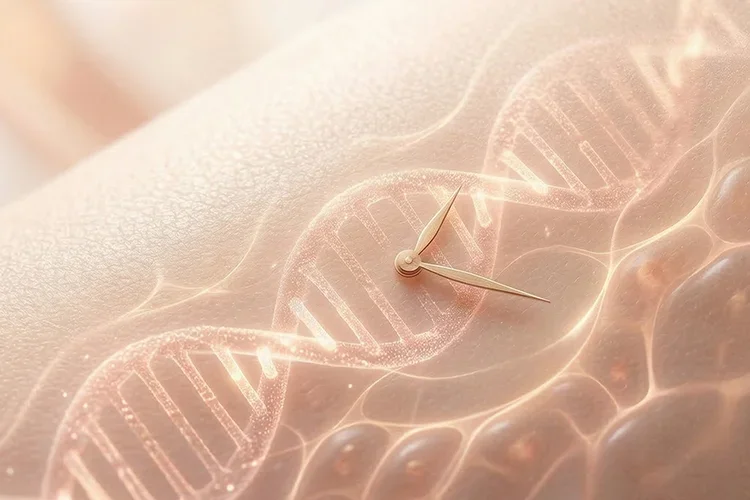
This sudden encounter with a single gray strand marks the essential starting point for a proactive, long-term scalp aging ritual. (Image: AI-generated)
When the conversation turns to aging, most of us instinctively picture the fine lines around our eyes, or skin that's lost some of its bounce. Fair enough. But a fuller picture of longevity means looking a little higher than the face.
Hair and scalp, in my experience, are usually among the first places to signal that something's shifted internally. Ironically, they're also the last place anyone thinks to treat. Getting your hair to its best version isn't really about fighting nature. It's closer to understanding the quiet biological rhythm that keeps every strand doing its job.
Why Hair Loses Its Color in the First Place
Your hair's color comes from melanocytes, tiny cells that work like ink cartridges, pumping pigment into each strand as it grows. Slow these cells down, which happens naturally with age, and you start seeing silver or gray coming through.
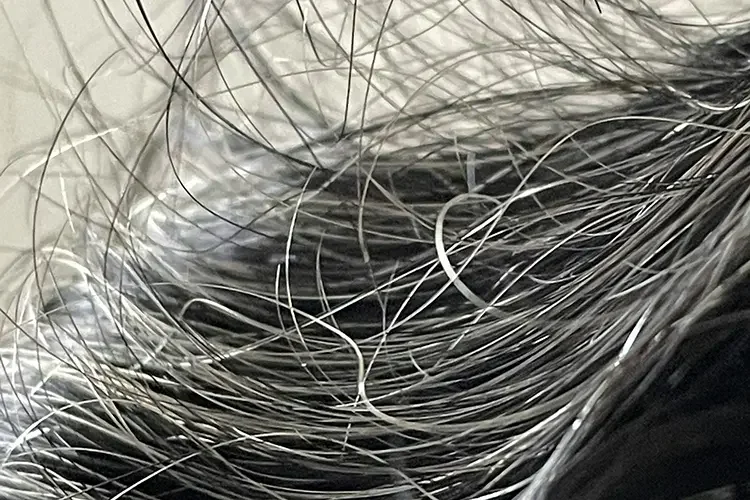
Credit: Reny Jose / Unsplash
Yes, Stress Really Does Turn Hair Gray
You've probably heard the stories, someone goes through something traumatic and turns gray practically overnight. That's mostly folklore. But the underlying link between chronic stress and hair aging holds up.
Protecting your emotional wellbeing isn't just good for your mood. It also seems to shield your melanocytes, letting them keep doing their job without interruption.
A few nutrients keep showing up in this conversation too.
Copper and zinc support the enzyme functions tied to pigment
Vitamin B12 and folate help keep blood flow to the scalp steady
Quality protein gives hair the raw material it needs to actually build structure
Your Scalp Needs the Same Attention as Your Face
For years we basically treated hair like fabric, something you just wash and move on from. That thinking is shifting. Youthful hair actually starts with a healthy scalp environment, one that arguably deserves as much attention as your face gets.
Technically, your scalp is an extension of your facial skin. It just tends to run thicker and carries more oil glands. Clog those glands, or let UV exposure inflame the scalp over time, and you're looking at thinning and premature aging down the line. A gentle, antioxidant rich scalp serum can help here, neutralizing free radicals before they get the chance to damage follicles.
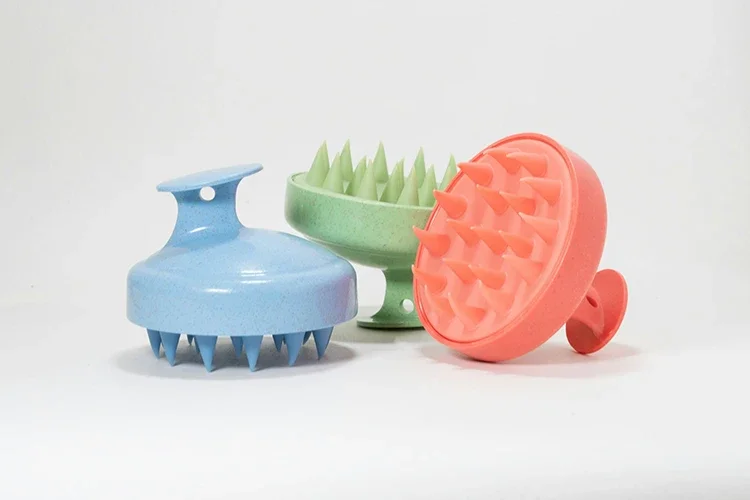
Credit: Lora Seis / Unsplash
Small Habits That Add Up
A consistent routine beats a quick fix every time, especially once damage has already set in. Small, boring changes tend to compound into results you actually notice.
Lukewarm to warm, around 100°F, tends to be the sweet spot. Go hotter on a regular basis and you start stripping away the protective lipids your scalp needs.[5]
A five minute scalp massage most days helps circulation along.
A wide tooth comb on damp hair puts less stress on the roots than a regular brush would.
- A hat or UV spray for hair on strong sun days.
- Stress management, arguably the single most effective lever for protecting pigment.
- A well rested, well nourished body tends to grow the most vibrant hair.
Frequently Asked Questions
-
Startling, sure, but honestly this is a pretty good moment to start paying attention to your scalp. Graying tends to happen in waves rather than all at once, so it's rarely too late for anything. Address oxidative stress and your body's stress response now and you can genuinely extend the working life of whatever pigment cells you've still got active. You can't undo a strand that's already turned. But the hundreds of follicles gearing up for their next growth cycle, those you still have some influence over.
-
One of the more persistent myths out there, and the real answer is a little more complicated. Plucking a single gray hair won't summon ten more. It can, though, cause real damage to the follicle if you're doing it repeatedly, and a damaged follicle can eventually stop producing hair altogether. That's thinning, not graying, and it's arguably worse. Scalp calming rituals and antioxidant serums do the same job without putting density at risk.
-
Genetics is the blueprint. Lifestyle decides how quickly that blueprint actually gets built.
UV exposure, poor nutrition, and chronic stress all act as accelerants on top of whatever you're genetically wired for
Dialing in your scalp environment and general wellness is basically tapping the brakes
You won't rewrite your DNA, obviously
Still, plenty of people manage to meaningfully push back the timeline just by giving their follicles decent support.
Let Your Scalp Guide the Routine
Protecting hair from everyday environmental damage deserves roughly the same seriousness as your skincare routine does. Pollution and sun exposure add up quietly, and even resilient strands lose their shine to it eventually.
Shifting toward a preventative mindset, rather than a reactive one, tends to make the whole process feel less like a chore. Give your scalp the same respect you already give your skin, and what you're really doing is investing in hair that keeps reflecting how well you're actually taking care of yourself.
Sources & References
- [1] Wood, J. M., et al. (2009). "Senile hair graying: H2O2-mediated oxidative stress affects human hair color by blunting methionine sulfoxide repair." The FASEB Journal.
- [2] Trüeb, R. M. (2021). "Oxidative stress and its impact on skin, scalp and hair." International Journal of Cosmetic Science.
- [3] Zhang, B., et al. (2020). "Hyperactivation of sympathetic nerves drives depletion of melanocyte stem cells." Nature.
- [4] Paul, J. K., et al. (2025). "Unlocking the secrets of the hair microbiome: From scalp health to therapeutic advances." Microbe.
- [5] Khetarpal, S. (2026). "Temp Check: Are Your Showers Too Hot?" Cleveland Clinic Newsroom.
Read Next



Are you feeling discouraged every time you look in the mirror because your hair feels thinner? Are you tired of taking supplements that don't seem to work? It’s helpful to look beyond the ingredients on the back of your shampoo bottle.