
Is It Hair Loss or Just a Bad Hair Day?
At a Glance
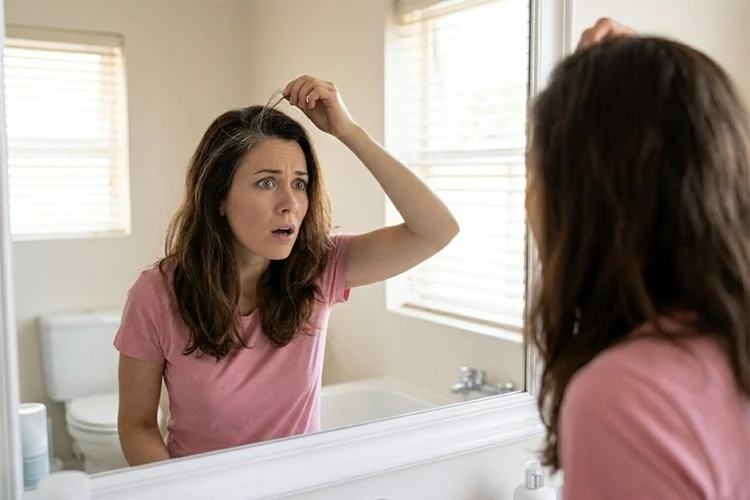
Click a point below to jump to the details.Demonstrates the importance of identifying early signs and maintaining a consistent scalp care routine. (Image: AI-generated)
We monitor our bio-metrics daily. We track sleep cycles and heart rate, yet many of us overlook one of the most visible signs of our biological health: hair density. Just as you wouldn’t skip a routine service for your car to keep it running smoothly, your scalp deserves consistent care and attention to stay at its best.
Hair loss is often a gradual process where the hair follicles—the tiny organs responsible for hair growth—slowly lose their vitality. If you’re noticing more hair in the drain than usual, it might be a signal that your scalp environment is changing and could benefit from a new strategy.
3 Simple Ways to Check Your Hair Health
Instead of worrying, you can use these straightforward methods to get a clearer picture of your current hair status:
1. The Miniaturization Check
Compare a strand from the "safe zone" at the back of your head with one from your temples or crown. If the hair at the front feels significantly thinner or finer, it may be a sign that those follicles are becoming less active.
2. The Clinical Pull Test
Gently take a small section of about 20 hairs and give them a steady, firm tug from the root to the tip.
3. Close-up Inspection
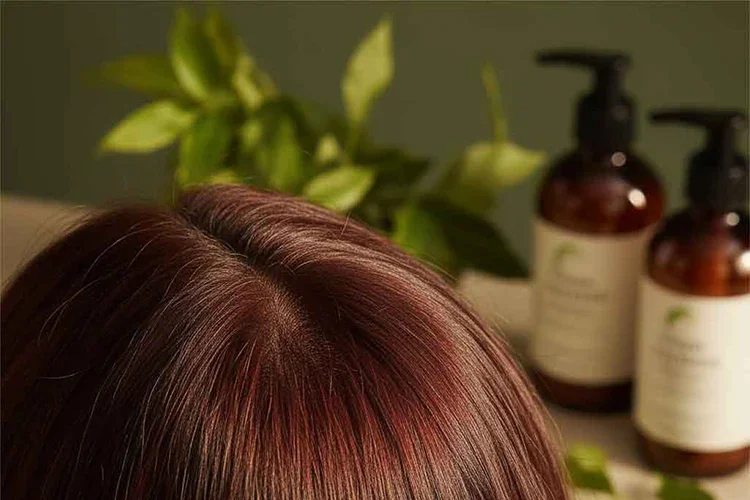
Using your smartphone’s macro lens can reveal a lot. A healthy follicle typically sprouts two or three thick hairs. Seeing mostly single, thin hairs or noticing a flaky scalp suggests that your scalp environment might need some intervention.
The Science of DHT and Circulation
Understanding the "why" helps us make better choices. For many, it comes down to a chemical called DHT (Dihydrotestosterone).
Additionally, Micro-Circulation plays a vital role. Your follicles are living organs that require a steady flow of oxygen and nutrients. Factors like high stress or a diet high in processed sugars can sometimes hinder this delivery system, causing follicles to lack the "fuel" they need to thrive.
Supporting Hair Longevity Through Nutrition
To keep your hair in top shape, consider a dual-action strategy that addresses both internal and external needs. Since hair is made of roughly 90% protein, ensuring you have enough "building blocks" is essential.
Furthermore, Zinc and Panthenol (Pro-vitamin B5) are excellent teammates for your scalp. Zinc can play a role in balancing the hormones that affect hair, while Panthenol acts like a soothing coach, helping to reduce irritation and keeping your scalp’s natural barrier healthy and hydrated.
Daily Habits for a Healthier Scalp
Beyond nutrition, small daily habits can make a significant difference. Following these direct maintenance steps will help protect your hair’s integrity:
Temperature Control
High heat is the enemy of keratin. When drying your hair, use the cool or medium setting on your blow dryer. Excessive heat can denature the hair’s protein structure, making it brittle and prone to breakage.
Post-Workout Sanitation
Sweat contains salt and lactic acid, which can irritate the scalp if left too long. Washing your hair immediately after a heavy training session keeps the environment clean and prevents follicle-clogging debris.
Scalp Stimulation
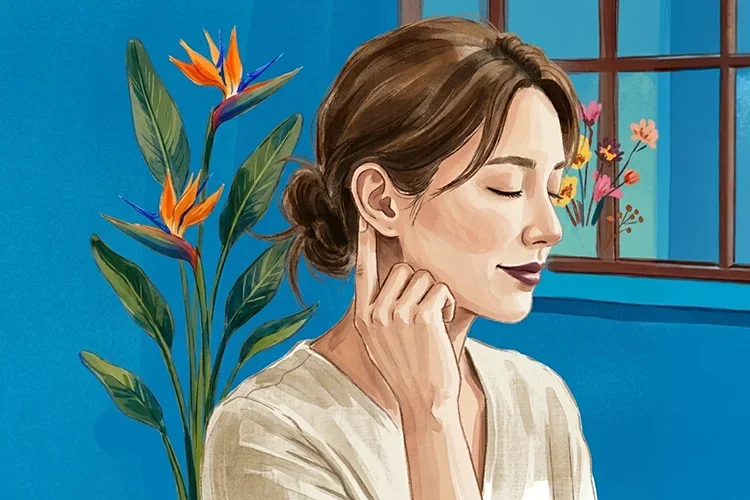
Spend 2–3 minutes a day performing a manual scalp massage.
Mechanical Stress Management
Avoid aggressive towel-drying. When hair is wet, the outer layer (cuticle) is swollen and vulnerable. Pat your hair dry gently instead of rubbing it to prevent structural damage.
FAQs: Troubleshooting Your Hair Maintenance
-
Actually, it’s often the opposite. Many people hesitate to wash their hair when they see strands in the drain, but those hairs were likely already in the shedding phase. Leaving sweat and oils on your scalp can lead to inflammation, which isn't ideal for your follicles. Keeping a clean scalp is a great foundation for healthy hair.
-
Not directly. A hat won't pull your hair out by the roots. However, if a hat is extremely tight, it might limit airflow or trap sweat against your scalp. If you love wearing hats during workouts, just make sure to give your scalp a good rinse afterward to let it "breathe."
-
This is a common concern, but for most people, the answer is no. While some medications work by managing DHT, they don't necessarily lower your total testosterone or impact muscle growth. Many people find they can maintain their fitness goals while following a hair care protocol. If you have concerns, speaking with a specialist can help you find a plan that fits your lifestyle.
Action is Your Best Strategy
It is much easier to protect the hair density you have now than to try and recover it later. Switching to an active-defense mindset—whether that’s through improved nutrition, better scalp hygiene, or exploring proven topical options—is a smart investment in your future self.
Treat your scalp with the same care you give the rest of your body, and it will continue to represent your overall wellness for years to come.
Sources & References
- [1] McDonald, K. A., et al. (2017) "Hair pull test: Evidence-based update and revision of guidelines" Journal of the American Academy of Dermatology
- [2] Kaufman, K. D. (2002) "Androgens and alopecia" Molecular and Cellular Endocrinology
- [3] Almohanna, H. M., et al. (2019) "The Role of Vitamins and Minerals in Hair Loss: A Review" Dermatology and Therapy
- [4] Koyama, T., et al. (2016) "Standardized Scalp Massage Results in Increased Hair Thickness" Eplasty (Mechanical Force Study)
Read Next




Are you feeling discouraged every time you look in the mirror because your hair feels thinner? Are you tired of taking supplements that don't seem to work? It’s helpful to look beyond the ingredients on the back of your shampoo bottle.