How Upcycled Food Waste Becomes High Performance Skincare
At a Glance
Click a point below to jump to the details.Credit: Diane Salah Ait Mokhtar / Unsplash
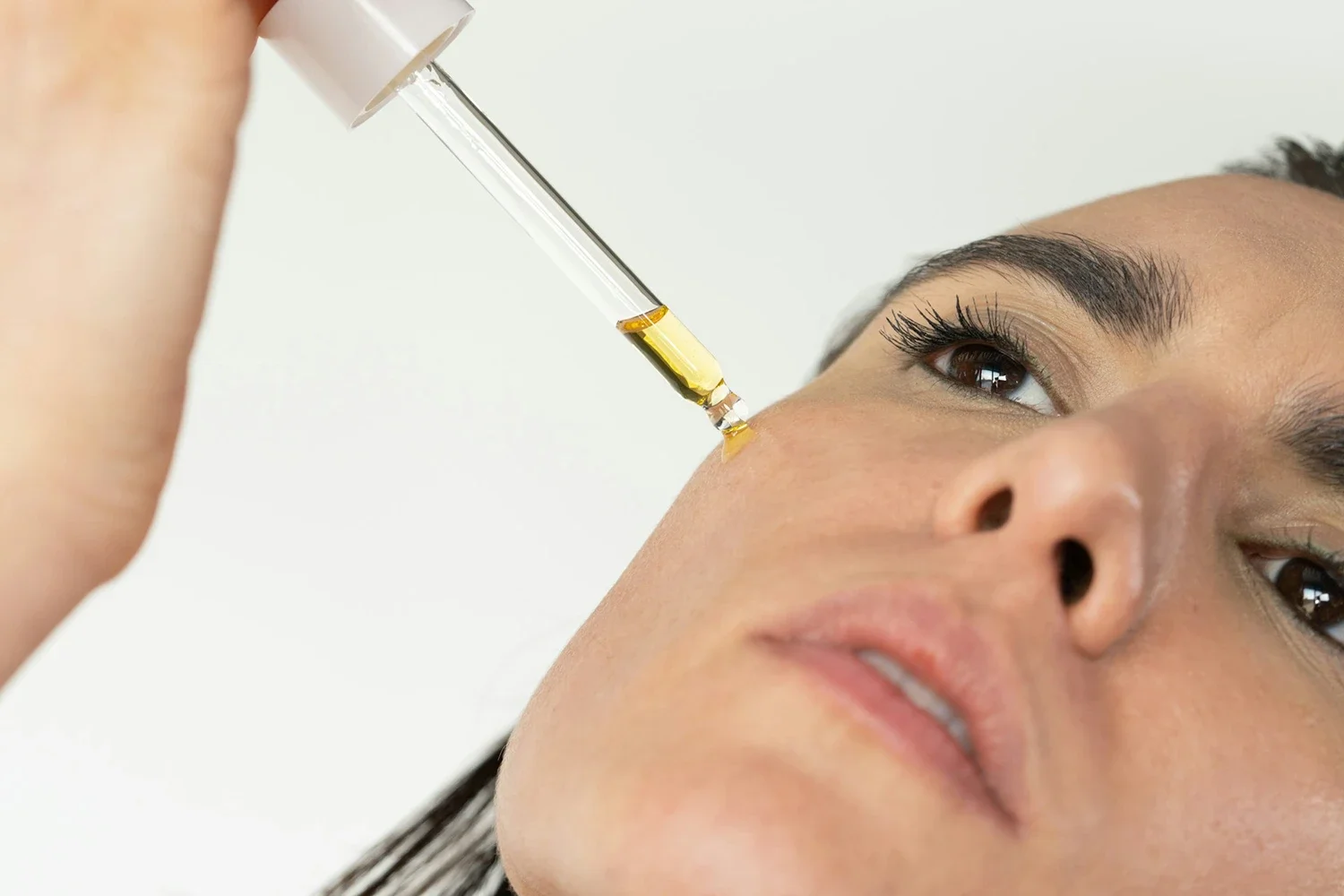
Imagine if the secret to your next holy-grail skincare ingredient was currently sitting in a compost bin at your local café or vineyard.
Sustainability in the beauty world has moved far beyond just buying recyclable bottles. Today, it’s driving a major wave of innovation called upcycled beauty. This process involves rescuing nutrient-dense byproducts, which are the biological hidden gems of the food and agriculture industries, and transforming them into high-performance skincare.
Interestingly, research shows that these so-called "waste" materials often hold higher concentrations of skin-loving compounds than the main crops. To survive harsh weather and bugs, plants naturally concentrate their protective antioxidants in their outer skins and seeds. By saving these parts, we get to tap into nature's ultimate defense system.
High-Performance Actives from Rescued Resources
Modern skincare isn't just about grabbing any natural ingredient from a field. It’s about sourcing the most potent, biologically active parts of the plant. Through gentle extraction methods like cold-pressing and bio-fermentation, scientists are finding that fruit peels, seeds, and husks are absolute powerhouses of vitamins.
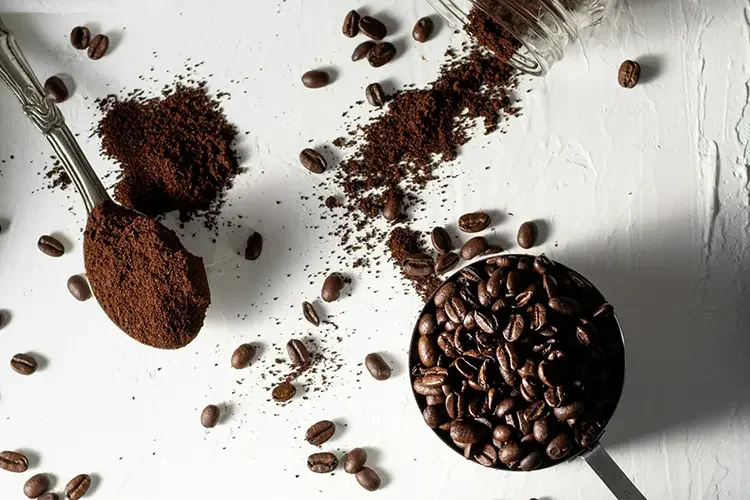
Coffee Grounds for Refreshed Eyes
Those spent coffee grounds from your morning brew are far from exhausted. They remain incredibly rich in caffeine and chlorogenic acids.
Note: While caffeine is fantastic for a temporary tightening effect, keep in mind that it won't permanently eliminate genetic dark circles or structural under-eye bags.
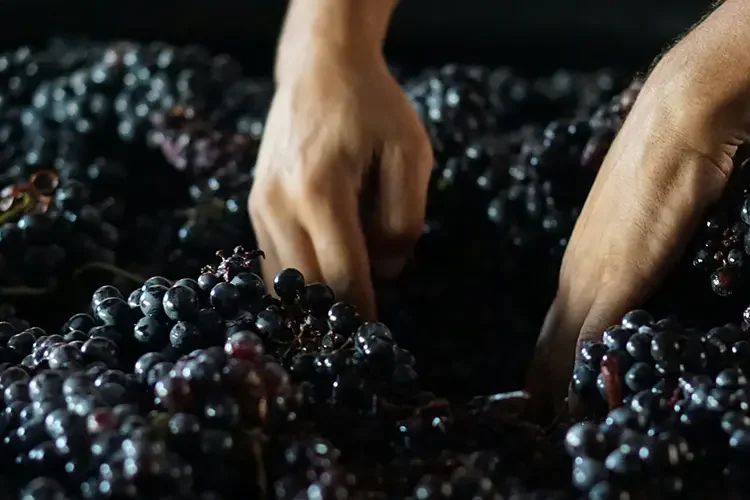
Grape Pomace for Environmental Defense
The leftover skins and seeds from wine production are perhaps the most famous success story in upcycling.
They are a goldmine for resveratrol and proanthocyanidins—two famous antioxidants.

Citrus Peels for a Natural Glow
After the juicing industry gets what it needs, the discarded peels are left packed with essential oils, vitamin C, and gentle organic alpha-hydroxy acids (AHAs).
Unlike some harsh synthetic chemical peels, cold-pressed upcycled citrus oils offer a wonderfully gentle way to slough off dead skin cells. They help dissolve the dull buildup on the skin's surface without stripping away your natural moisture, promoting a fresh, balanced glow.
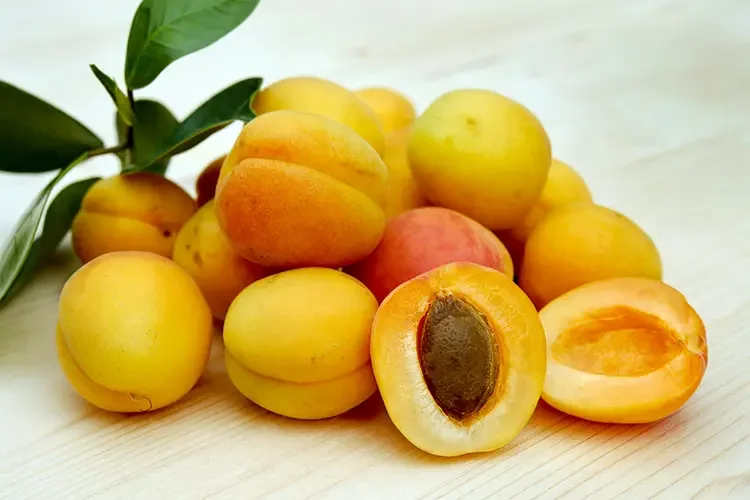
Kernel Oils for Deep Hydration
Pits from stone fruits like peaches, apricots, and plums are full of oleic and linoleic acids. These are essential omega fatty acids that our bodies cannot produce on their own.
Economic and Ecological Synergy
The shift toward upcycling is a beautiful win-win for both your shelf and the planet. It reduces the need for new agricultural land, saving massive amounts of water and fertilizer.
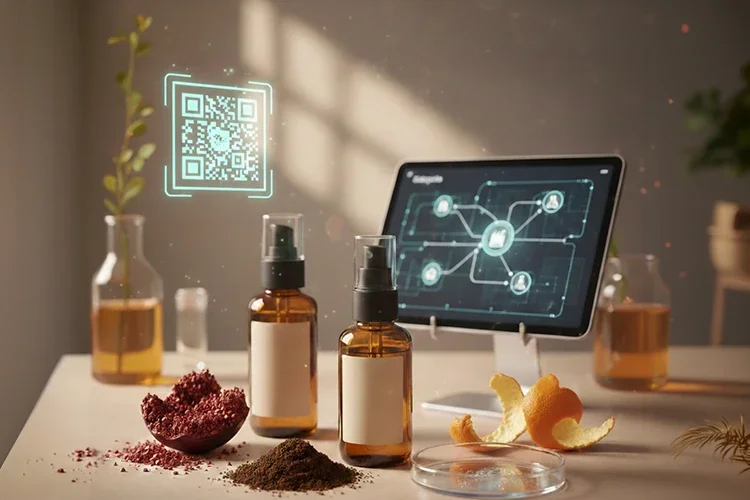
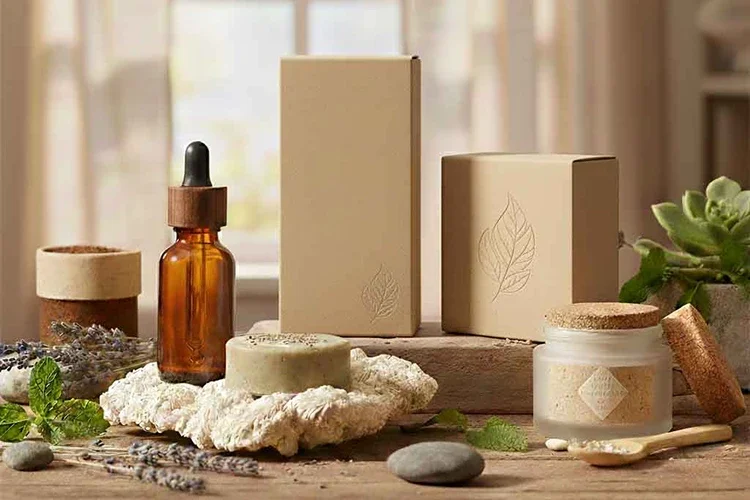
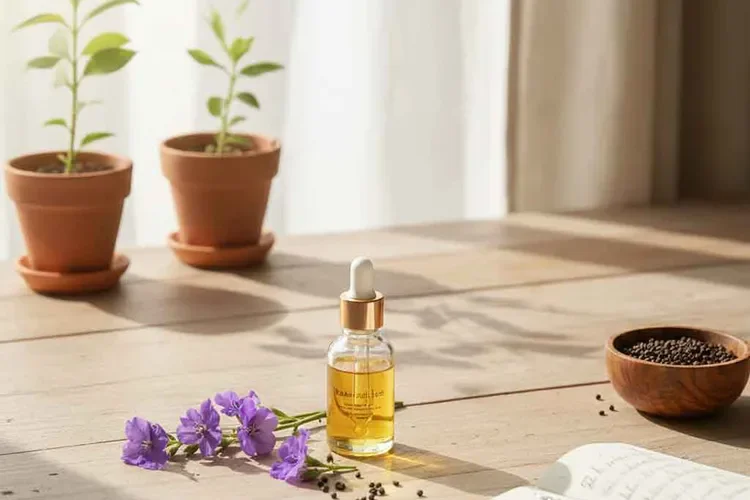
Giving new life to nutrient-rich ingredients that would otherwise go to waste. (Image: AI-generated)
How Traceability Tech Empowers Upcycling
To make sure "upcycled" is a scientific reality rather than just a trendy marketing buzzword, the beauty industry is borrowing a few tricks from the tech world. This digital infrastructure gives every ingredient a transparent birth certificate.
Blockchain-Verified Supply Chains
The moment a grape seed is collected at a vineyard, its journey is logged on a secure, unchangeable digital ledger. This proves the raw material is authentic and hasn't been diluted or messed with.
Chemical Fingerprinting
Labs use a process called mass spectrometry to map out the unique "chemical signature" of each batch. This verifies the exact farm of origin and ensures the nutrients are dense enough to actually do something good for your skin.
Interactive QR Codes
Many forward-thinking brands are putting QR codes right on the box. A quick scan lets you see your product's entire journey, from the date the ingredients were harvested to the exact temperature used to press the oil.
A Realistic Guide for Your Routine
While upcycled and natural beauty is an exciting step forward, a practical mindset is your most reliable approach. It is helpful to remember that a "natural" label does not guarantee a product will work for your specific skin type. As a general rule, longer ingredient lists introduce more variables to your skin, increasing the likelihood of irritation. If you have sensitive skin, it is often wiser to look for streamlined formulas that focus on just a few key active ingredients.
It is also important to recognize that terms like "vegan" or "natural" simply indicate the origin of an ingredient, not how your skin will tolerate it. For instance, upcycled citrus oils naturally contain compounds like limonene or linalool, which can cause a reaction if you have hyper-reactive skin or active eczema. Taking a moment to patch-test a new product on your inner arm is a simple, smart precautionary step.
Finally, the way a product is housed matters just as much as the formula itself. Because many botanical antioxidants degrade quickly when exposed to light and air, opting for protective packaging like opaque bottles, airtight pumps, or dark amber glass is essential to keep the ingredients effective. Choosing these while ensuring your formulas are pH-balanced around 5.5 will help protect your skin's natural moisture barrier while you transition to a more eco-conscious routine.
FAQs: Clear, Simple Answers
-
You don’t need a degree in data science. Most brands using this technology make it easy by placing a QR code on the packaging. Scanning it with your phone opens a simple webpage showing the ingredient's journey from the farm to the lab.
-
Not necessarily. In fact, advanced upcycling allows scientists to extract incredibly pure botanical antioxidants—like rosemary or grapefruit seed extracts—which act as powerful, natural stabilizers. Combined with airtight packaging, these products enjoy a reliable shelf life without relying on traditional parabens.
-
Harsh synthetic treatments can sometimes offer a quick fix, but they risk over-stripping your skin, which triggers a panic response that causes your skin to produce even more oil. Gentle upcycled alternatives, like citrus-derived AHAs and soothing coffee extracts, help clear away excess oil and dead skin without causing that inflammatory backlash.
Beauty with a Purpose
Upcycled beauty is more than just a passing trend and represents a practical step toward smarter skincare. It proves that a product can be both environmentally conscious and genuinely effective. By paying a little more attention to how our ingredients are sourced, we can easily look after our own skin while making a small, positive choice for the planet.
Sources & References
- [1] Panusa, A., et al (2013) "Recovery of Natural Antioxidants from Spent Coffee Grounds as a Powerful Approach for Its Valorization" Journal of Agricultural and Food Chemistry
- [2] Leis, K., et al (2022) "Resveratrol as a Factor Preventing Skin Aging and Affecting Its Regeneration" Biomolecules (Dermatological Review)
- [3] Lin, T. K., et al (2018) "Anti-Inflammatory and Skin Barrier Repair Effects of Topical Application of Some Plant Oils" International Journal of Molecular Sciences
- [4] Grand View Research (2024) "Clean Beauty Market Size, Share & Trends Analysis Report and Segment Forecasts to 2030" Global Consumer Trends Report
Read Next