Clean, Vegan, or Cruelty-Free? The Truth About Your Skincare Labels
At a Glance
Click a point below to jump to the details.A guide to choosing products that are safe for you and kind to the planet. (Image: AI-generated)
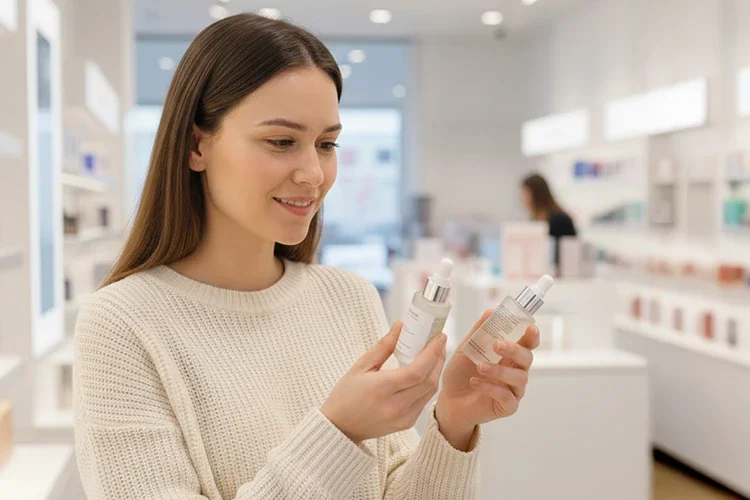
Picture yourself standing in front of a beauty shelf, staring at three different bottles that all claim to be 'better' for you. One says Clean, another says Vegan, and the third features a familiar bunny logo. While it’s tempting to think they all share the same goal, these terms are anything but interchangeable in the beauty world.
In fact, assuming a vegan product is automatically "clean" is a common misunderstanding. As we move through 2026, being a conscious consumer means knowing exactly what these labels stand for.
Clean Beauty | Prioritizing Your Wellbeing
Think of clean beauty as a thoughtful filter for your personal health. The primary goal is to ensure that ingredients with questionable long-term safety records stay out of the formula.
While there is no single legal definition, the industry generally agrees that clean beauty involves avoiding ingredients often linked to sensitivities or irritation. It focuses on excluding certain "Dirty List" items like parabens, phthalates, and harsh sulfates.
It’s important to remember that "clean" does not always mean 100% natural. Sometimes, a safe lab-made ingredient is more stable and effective than a botanical one that might spoil easily. A clean serum can still contain ethically sourced honey or silk. If the ingredient is considered safe for the human body, it fits the clean category.
The Hidden Conflict: When Vegan is Not Always Clean
To truly master conscious beauty, it helps to understand a simple truth: "Vegan" and "Clean" are not the same thing. Think of it like choosing food. A plate of French fries and a soda is technically vegan because it contains no animal products, but we wouldn’t necessarily call it a "clean" or healthy meal for our bodies.
Skincare works the same way. A 100% plant-based (vegan) lipstick might still use certain synthetic dyes or strong artificial fragrances to achieve a bold look. On the flip side, a high-quality "clean" moisturizer might use ethically sourced beeswax to protect the skin barrier—making it incredibly healthy for your skin, even though it’s no longer classified as vegan.
Vegan Beauty | The Ethical Choice
Vegan beauty shifts the focus from your internal health to the animals we share our world with. A vegan label is a promise that no animal-derived ingredients were used in your moisturizer.
This means saying goodbye to common ingredients like:
Beeswax
A natural wax produced by honeybees.
Carmine
A red pigment sourced from specific insects.
Animal-derived Collagen
Often replaced by plant-based or lab-synthesized alternatives.
However, "vegan" doesn't automatically mean "non-irritating." A plant-based product can still contain strong natural fragrances or essential oils that might not be the best fit for sensitive skin.
Credit: Editorial Team / TheWellnessExaminer
Cruelty Free | No Testing, Period
Cruelty-free is all about the process, not just the ingredients. It is a stand against animal testing at every stage of a product's development.
While many regions have moved toward banning this practice, the label remains a vital badge of honor for ethical brands. It proves we can achieve high-performance results using modern, alternative testing methods.
When shopping, it’s helpful to look for the Leaping Bunny logo. While many brands use the term "cruelty-free," this specific certification provides a verified level of trust. A cruelty-free product can still contain animal byproducts like lanolin (wool wax) or milk; it simply means those ingredients were not tested on animals in a laboratory setting.
» If you want to check if your favorite brand is truly cruelty-free, you can search their official database on the Leaping Bunny Shopping Guide.
The Gold Standards: Beyond Buzzwords
In an era of "greenwashing"—where marketing makes a product look more eco-friendly than it is—third-party certifications are your best guide.
The EWG Verified™ seal
Focuses on ingredient transparency and safety.
The Leaping Bunny
An internationally recognized guarantee regarding animal testing.
FAQs: Let’s Clear the Air
-
Not exactly. Organic refers to how ingredients are farmed, while clean focuses on the safety and transparency of the final formula. A product can be clean even if its ingredients aren't certified organic.
-
The term "vegan" only confirms the absence of animal ingredients. Some plant-based extracts or natural essential oils can still be quite potent. If you have sensitive skin, it’s always best to check for "fragrance-free" or "hypoallergenic" labels.
-
Not necessarily. A product can be developed without animal testing (cruelty-free) but still include ingredients like beeswax or honey. To ensure a product is 100% animal-free, look for both certifications.
A Few Tips for Making Smart Choices
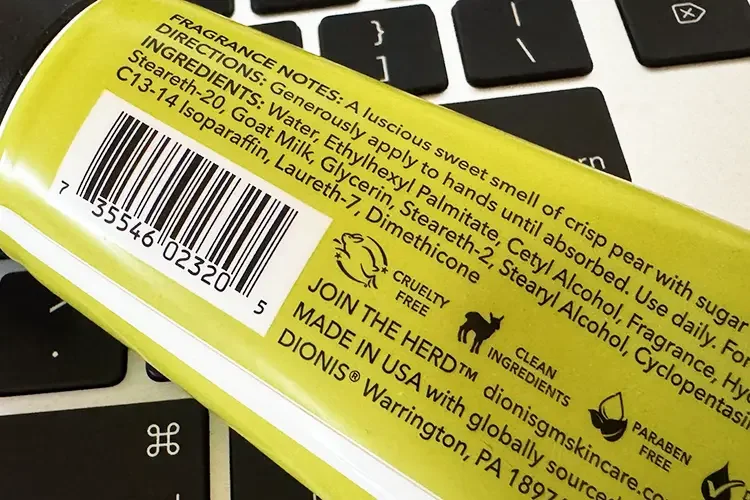
Check the back of the bottle
The ingredient list (INCI) often tells a more detailed story than the colorful icons on the front.
Listen to your skin
No matter how "clean" a label claims to be, if your skin feels tight or turns red, that specific formula might not be the right match for your unique biology.
Look for verified seals
Relying on independent groups like the EWG or Cruelty Free International offers a higher level of clarity than vague marketing claims.
Choosing conscious beauty isn't about being perfect overnight. It’s about making slightly more informed choices, one bottle at a time.
Sources & References
- [1] Environmental Working Group (2025) "EWG VERIFIED®: For Your Health — Our Standards for Personal Care Products" EWG Official Safety Standards
- [2] Cruelty Free International (2026) "The Corporate Standard of Compassion for Animals (The Leaping Bunny Program)" Official Certification Guidelines
Read Next