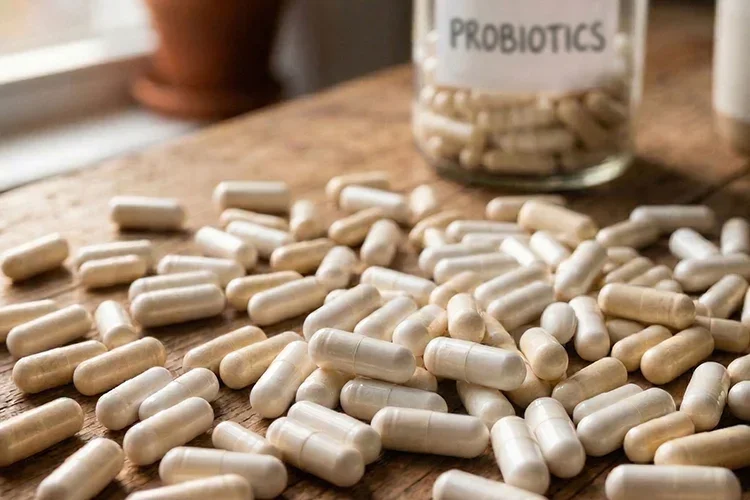
Do You Really Need Protein Shakes Without the Gym?
At a Glance
- Protein powder is a convenient tool for anyone to fill nutritional gaps, supporting metabolic health, tissue repair, and the maintenance of hair, skin, and nails.
- By increasing satiety and stabilizing blood sugar, daily protein intake helps manage weight and prevent energy crashes without the need for intense exercise.
- Whether choosing high-purity Whey Isolate (WPI) for easy digestion or heart-healthy plant-based options, the key is finding a consistent, high-quality source that fits your lifestyle.
Credit: Kelly Sikkema / Unsplash
When we think of protein shakes, the image that often comes to mind is someone lifting heavy weights or running marathons.
Let's clear this up. Protein isn't gear reserved for the gym crowd. It's a core macronutrient your body runs on daily, active or not.
The Simple Science Behind the Supplement
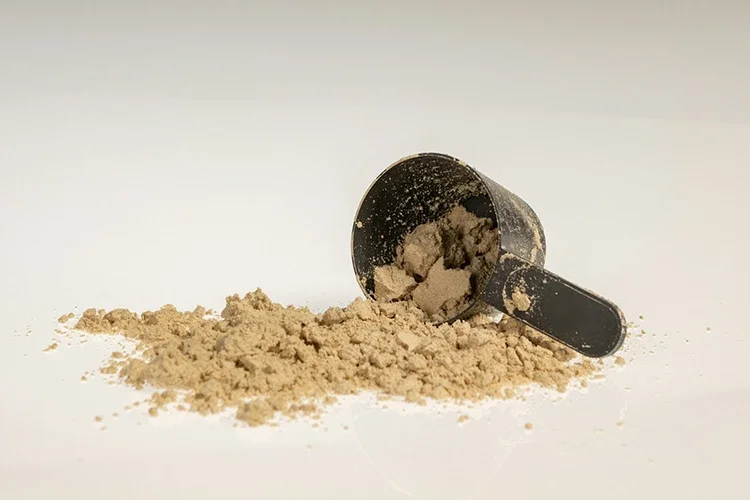
At its core, protein powder is just a concentrated food source. To understand what you are consuming, it helps to look at the two most common types available. Whey protein is derived from milk during the cheese-making process and is prized for its complete profile of amino acids.
On the other hand, plant-based proteins, such as those from soy or peas, offer a solid alternative for those who avoid dairy or prefer a vegan lifestyle. Both options serve as building blocks for your body, and choosing one over the other often depends more on your digestive comfort than your fitness goals.
Credit: Alex Saks / Unsplash
Why Your Body Might Ask for More Protein
Even if you do not exercise, your body is constantly working behind the scenes to repair tissue and produce the hormones that keep your systems running. As we age, we naturally begin to lose muscle mass, a process that can impact our metabolic health over time.
Protein also does double duty for hair, skin, and nails. Keratin and collagen are, structurally speaking, proteins.
Managing Weight and Energy Levels Naturally
One of the most practical reasons to consider a protein shake is its effect on satiety. Protein takes longer for the body to digest compared to simple sugars or refined grains. This means that adding a serving of protein to your morning routine or as a mid-afternoon snack can help you feel full for longer periods.
Structure your meals around protein and you'll likely hold a steady weight without feeling deprived.
Protein Needs by the Numbers for Men and Women
Men and women often have different concerns when it comes to nutrition, but protein offers universal benefits. For women, there is sometimes a fear that consuming protein shakes will lead to an overly muscular physique.
The data doesn't back that up. Without heavy resistance training and a specific hormonal profile, that kind of muscle gain is considered highly unlikely.
Choosing the Right Source for Your Lifestyle
Selecting the right powder does not have to be a complicated task once you know how your body reacts to different ingredients. If you enjoy dairy and do not experience any discomfort, standard whey protein is often a great place to start because of its high bioavailability.
However, if you find that regular milk products leave you feeling heavy or bloated, you have two smart paths to take. The first is choosing a high-purity Whey Protein Isolate (WPI), which filters out nearly all the lactose while keeping the benefits of dairy.
Soy Protein
A heart-healthy choice that provides all essential amino acids and is particularly popular for its smooth texture.
Pea Protein
An excellent hypoallergenic option that is easy on the stomach and rich in iron.
Rice Protein
A gentle alternative that is often combined with other plant sources to create a complete nutritional profile.
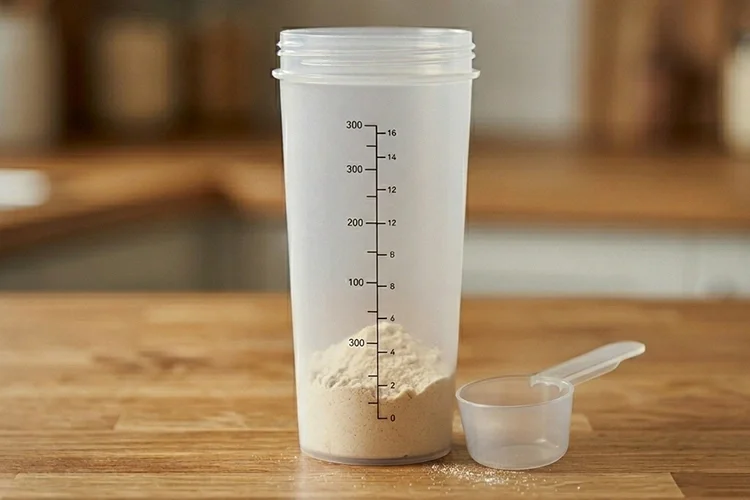
Making protein part of your everyday routine. (Image: AI-generated)
Practical Tips for Daily Use
More protein doesn't automatically mean better results. Dosage matters here. While an athlete might aim for 1 gram of protein per pound (2.2g per kg) of body mass, an average adult typically thrives on a more moderate amount.
Instead of adding a shake on top of an already full diet, consider using it to replace a less nutritious option. Mixing a scoop into your morning oatmeal or blending it with a few greens can transform a simple snack into a balanced mini-meal.
Quality and Safety First
When you are ready to try a supplement, looking at the ingredient list is a vital step. High-quality products should focus on the protein itself and avoid an excessive amount of artificial thickeners or hidden sugars.
A cleaner label is generally a solid signal you're not loading up on additives you don't need. Since these are classified as food supplements, it is always a wise decision to consult with a healthcare professional if you have pre-existing kidney concerns or other medical conditions.
FAQ: Common Questions for Beginners
-
Protein itself isn’t a magic weight-gain formula. Weight gain happens when you consume more total calories than you burn. In fact, because protein increases satiety (the feeling of fullness), replacing a high-carb snack or a skipped meal with a protein shake can actually help prevent overeating and support weight management by stabilizing your metabolism.[2]
-
It depends on the cause of your sensitivity. If you are lactose intolerant, standard whey (WPC) may cause bloating. However, you don't necessarily have to switch to plants. Whey Protein Isolate (WPI) is a refined dairy option with nearly all lactose removed. If you prefer to avoid animal products entirely for ethical or digestive reasons, plant-based options like pea or soy are excellent, hypoallergenic alternatives.[4]
-
While a protein shake is a reliable "nutritional gap filler," it shouldn't replace all your whole food meals. Whole foods provide essential fibers, vitamins, and minerals that powders often lack. Think of a shake as a "supplement." It works well for a quick breakfast or a healthy bridge between lunch and dinner, keeping your energy steady and curbing sugar cravings.
Finding Your Own Balance
Protein powder is one tool in your nutrition stack, not a fix-all. Whey, soy, and pea all count. The macros matter more than the marketing. Pick the one you'll actually use consistently.
Prioritizing a consistent intake of high-quality protein can lead to more stable energy and a better sense of well-being in your everyday life. Track how your body responds, adjust the dose, and dial in what works for you.
Sources & References
- [1] Bauer, J., et al. (2013). "Evidence-Based Recommendations for Optimal Dietary Protein Intake in Older People: A Position Paper From the PROT-AGE Study Group." Journal of the American Medical Directors Association.
- [2] Leidy, H. J., et al. (2015). "The role of protein in weight loss and maintenance." The American Journal of Clinical Nutrition.
- [3] Wolfe, R. R., et al. (2017). "Optimizing Protein Intake in Adults: Interpretation and Application of the Recommended Dietary Allowance Compared with the Acceptable Macronutrient Distribution Range." Advances in Nutrition.
- [4] Gorissen, S. H. M., et al. (2018). "Protein content and amino acid composition of commercially available plant-based protein isolates." Amino Acids.
- [5] Clean Label Project (2025). "Nearly Half of Top-Selling Protein Powders Exceed Safety Thresholds for Heavy Metal Contamination." Clean Label Project Research Report.
Read Next