Which Whey Protein is Right for Your Muscle Goals? WPI vs. WPC
At a Glance
- WPC (Whey Protein Concentrate) retains more of the original milk nutrients with about 70–80% protein, while WPI (Isolate) undergoes advanced sifting to reach over 90% purity.
- WPI is often favored for rapid post-workout recovery and strict calorie goals, whereas WPC remains a cost-effective and nutrient-rich choice for general health.
- For those who feel bloated after a shake, WPI is one of the most effective options, as it removes nearly all the lactose that can cause digestive discomfort.
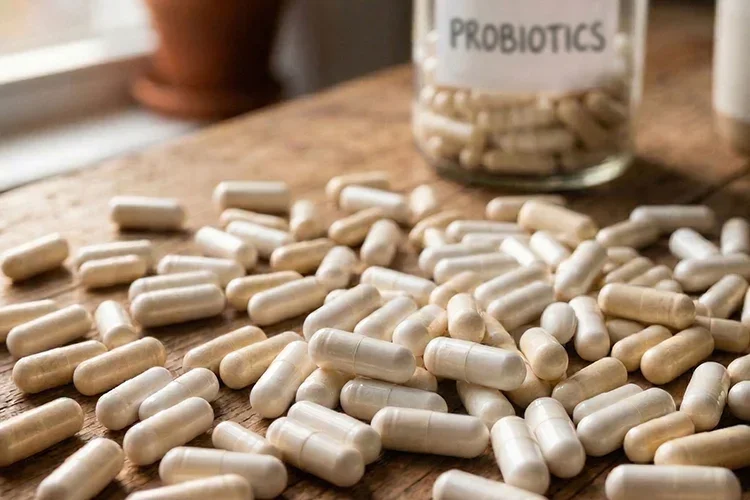
Choosing between WPC and WPI for your specific nutritional and digestive needs. (Image: AI-generated)
In the world of high-performance nutrition, the focus often shifts from simply finding a supplement to finding the one that works best for your unique body. When comparing WPC (Concentrate) and WPI (Isolate), seasoned athletes look beyond the label to see how refined those nutrients truly are.
Choosing the right protein is about more than hitting a number. It's about making sure your body can actually use what you consume, without bloating, sluggishness, or discomfort getting in the way.
How WPC Becomes WPI
If you care about the purity of what goes into your body, it’s helpful to look at how these proteins are made. Think of Whey Protein Concentrate (WPC) as the solid baseline—it’s great, but it still contains small amounts of the fats and sugars naturally found in milk.
Whey Protein Isolate (WPI), on the other hand, goes through a process much like using an incredibly fine-mesh sieve. This advanced filtration strips away almost all the "extra" stuff, leaving a product that is often over 90% pure protein. When considering if the investment in WPI is worth it, the answer often comes down to efficiency, since you're paying for protein rather than the extra fat and carbs that ride along in less-filtered products.
How Fast Does It Actually Absorb?
This is particularly useful after a grueling workout.
Delivering a high dose of leucine—which acts as the biological "on-switch" for muscle repair—during that post-workout window can be a strategic advantage. It helps ensure that your recovery starts almost the moment you finish your last rep, closing the gap between effort and repair.
Why Does My Protein Shake Make Me Feel Heavy or Bloated?
Often, the trace amounts of lactose (milk sugar) in WPC are the culprits. Even if you aren’t strictly lactose intolerant, these elements can sometimes cause a bit of internal stress.
By opting for a high-purity WPI, you are choosing a "cleaner" fuel source. Many elite lifters choose WPI not just to avoid discomfort, but to ensure their body isn’t wasting energy on difficult digestion. When your gut is calm, your body can focus its resources entirely on growth and repair.

Credit: Giorgio Trovato / Unsplash
If You're Counting Calories
For those who track their nutrition with a "surgical" level of detail, WPI offers a level of control that’s hard to beat. Since it’s virtually free of fats and carbs, you’re getting pure protein density.
This level of precision is why athletes focused on strict body composition goals, like bodybuilders prepping for a competition, often prefer isolate when every gram of protein, carbs, and fat needs to be accounted for.
What WPC Keeps That WPI Doesn't
WPC generally retains more natural compounds like lactoferrin, a protein in milk linked to immune support, since it's filtered less aggressively than WPI. Some premium WPIs use gentler filtration that preserves more of these compounds too, though budget isolates typically strip most of them out.
However, if your main focus is on performance and muscle growth, these extra benefits often take a backseat to protein density.
If your primary goal is pure muscle building and maximum quality, WPI's higher protein density will likely matter more to you than WPC's added immune-supporting compounds. It really comes down to whether you want a "whole-food" style supplement or a "high-octane" fuel tailored for a specific result.
How Much to Take, and When
While WPI is highly valued for its rapid absorption and amino acid density, the "best" routine is ultimately the one that aligns with your digestive comfort and long-term budget.
To enjoy the precision of an isolate while maintaining overall nutritional balance, many high-performers adopt a "hybrid" approach.
1. Finding Your Daily Total
For a person weighing 150 lbs (approx. 68kg), this works out to roughly 95 to 136g of protein throughout the entire day. This total includes everything—your meals, snacks, and supplements.
2. Spread It Out Through the Day
Your body utilizes protein most effectively when it is spread out. Instead of consuming one massive meal, try dividing your total into 3 to 5 servings throughout the day.
This keeps your body in a constant state of "muscle protein synthesis"—the process where your body repairs and builds new muscle tissue.
3. Mix Both for the Best of Both
A smart way to manage your intake while staying on budget is to use both WPI and WPC strategically:
WPI Post-Workout
Immediately after training, your muscles are like sponges. Because WPI is absorbed so quickly, it delivers a fast-acting dose of amino acids (especially leucine) to kickstart recovery right when you need it most.
WPC Throughout the Day
At other times, such as between breakfast and lunch, the slightly slower digestion of WPC is actually an advantage. It provides a more sustained release of nutrients and is a cost-effective way to ensure you hit your daily total without overspending.
By focusing on the total daily amount while using the right tool at the right time, you ensure your body has a steady supply of building blocks for peak performance.
Purity Testing and Label Transparency
When reading labels, look for third-party testing seals like 'NSF Certified for Sport' or 'Informed Choice,' which confirm the product has been independently tested for banned substances and contaminants rather than just self-reported by the brand. A high-quality WPI should also have a very short ingredient list, focusing on the protein itself rather than artificial thickeners or fillers.
Frequently Asked Questions
-
Absolutely. Many people find that using WPI after training and WPC at other times is the best way to balance performance needs with a budget.
-
While both help maintain muscle, WPI provides the highest protein density per calorie. This makes it easier to stay in a "caloric deficit" (burning more than you eat) without consuming hidden fats or sugars.
-
For the vast majority of people, yes. Since the bloating is usually caused by the milk sugars (lactose) that are filtered out of WPI, switching to an isolate is often the most effective way to enjoy a shake without the "heavy" feeling.
The Bottom Line
Ultimately, the choice between WPC and WPI isn't about which is "better," but about which tool is right for your body and your goals today.
Choose WPI if you want the highest precision—ideal for rapid post-workout recovery, managing a sensitive stomach, or hitting strict caloric targets.
Choose WPC if you prefer a balanced, nutrient-rich option that supports your general health while being kind to your supplement budget.
Choose a Hybrid Approach if you want the best of both worlds—using the rapid-fire delivery of WPI immediately after training and the cost-effective nutrition of WPC at other times.
In the journey of wellness, the quality of your fuel often dictates the quality of your finish. Choose the path that keeps you consistent and aligns with your body's needs.
Sources & References
- [1] Tang, J. E., Moore, D. R., Kujbida, G. W., et al. (2009). "Ingestion of whey hydrolysate, casein, or soy protein isolate: effects on mixed muscle protein synthesis at rest and following resistance exercise in young men." Journal of Applied Physiology.
- [2] Leidy, H. J., et al. (2015). "The role of protein in weight loss and maintenance." The American Journal of Clinical Nutrition.
- [3] Jäger, R., Kerksick, C. M., Campbell, B. I., et al. (2017). "International Society of Sports Nutrition Position Stand: protein and exercise." Journal of the International Society of Sports Nutrition.
Read Next