Still Using Last Year's Sunscreen? Here's Why Your Skin Might Regret It
At a Glance
- Sunscreen does not automatically expire after a year. Check the EXP date first, or the three-year mark if there's none. Past that, UV filters break down and protect less.
- Don't pour it down the sink. Squeeze tubes go in the trash. Hard plastic bottles just need a quick rinse before recycling.
Credit: Philippe Murray-Pietsch / Unsplash
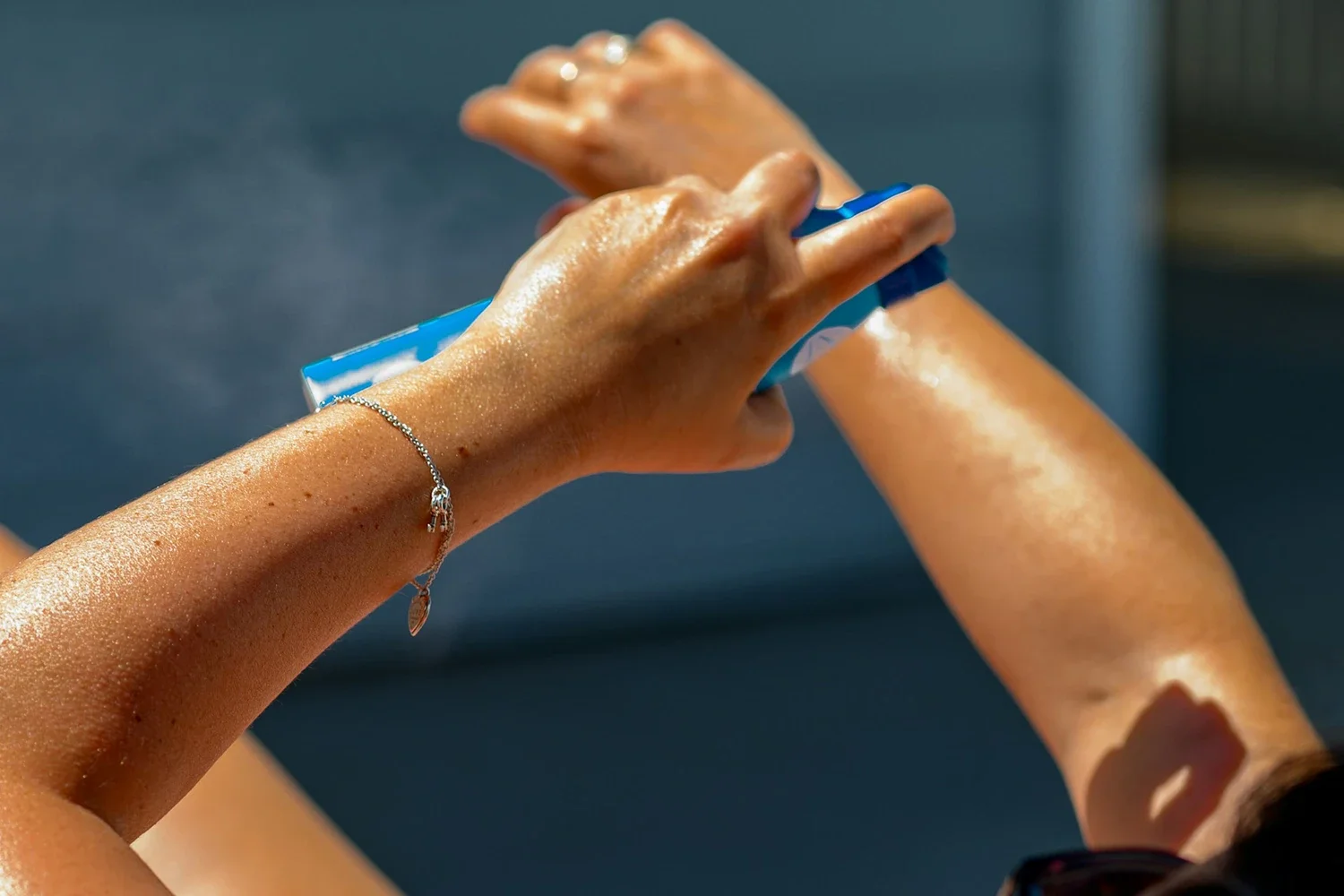
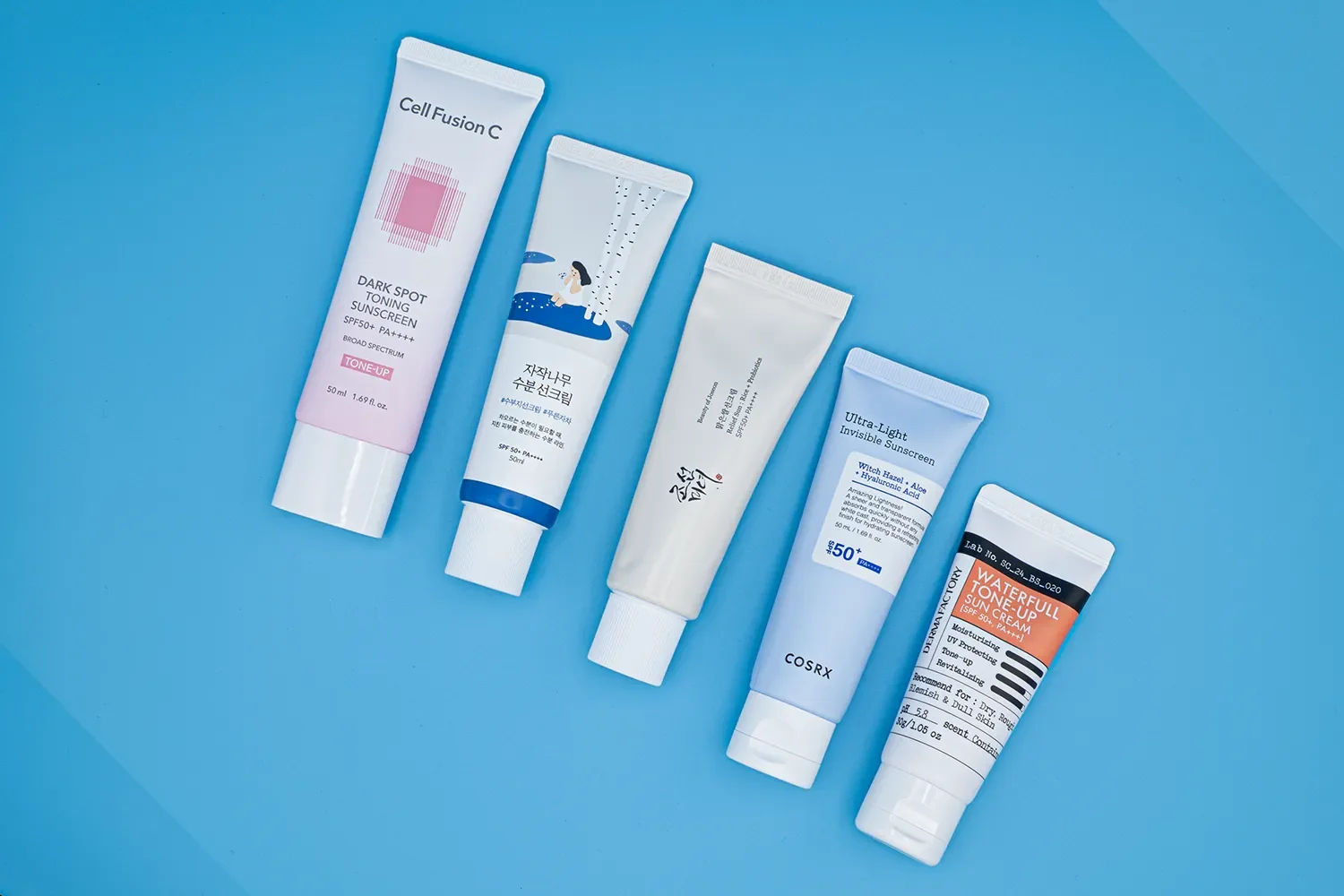
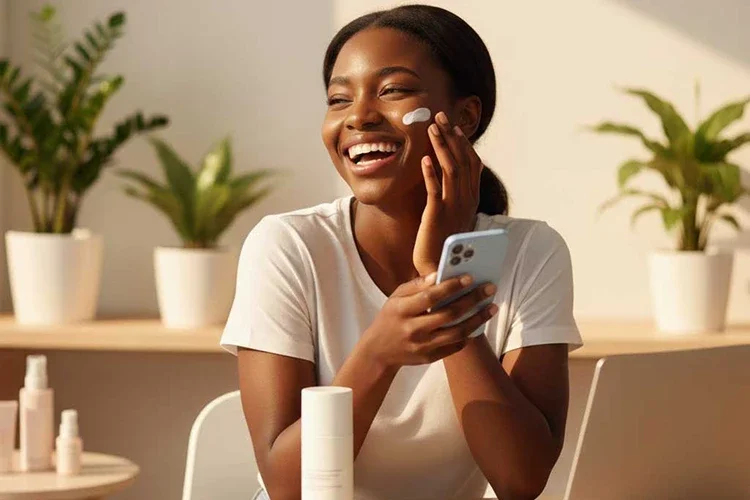
As the weather warms and we start spending more hours outdoors, sunscreen becomes the one step none of us skip. It's the thing standing between us and a sun that's grown noticeably sharper these past few years. But before rushing out to buy something new, a lot of people end up digging through drawers or old beach bags first, and there it is. A bottle from last year, looking pretty normal.
Plenty of product left. Looks fine at a glance. So naturally, the question comes up. Can I just keep using this? It feels wasteful to toss something with life left in it, especially with what a good bottle costs at Target or Sephora these days.
Here's What the Science Actually Says
So a bottle from last summer isn't automatically on its way out. But there are real signs worth checking for, and real reasons a formula can go bad well before that three-year mark. Let's get into what's actually going on inside an aging bottle, and how to tell when it's genuinely time to let go.
How Older Sunscreen Affects Your Skin and Why
1. The UV Protection Matrix Breaks Down
Sunscreen isn't just a passive layer sitting on your skin. It's a working formula, built from chemical or physical UV filters mixed in very precise ratios so they can deflect or absorb harmful rays.
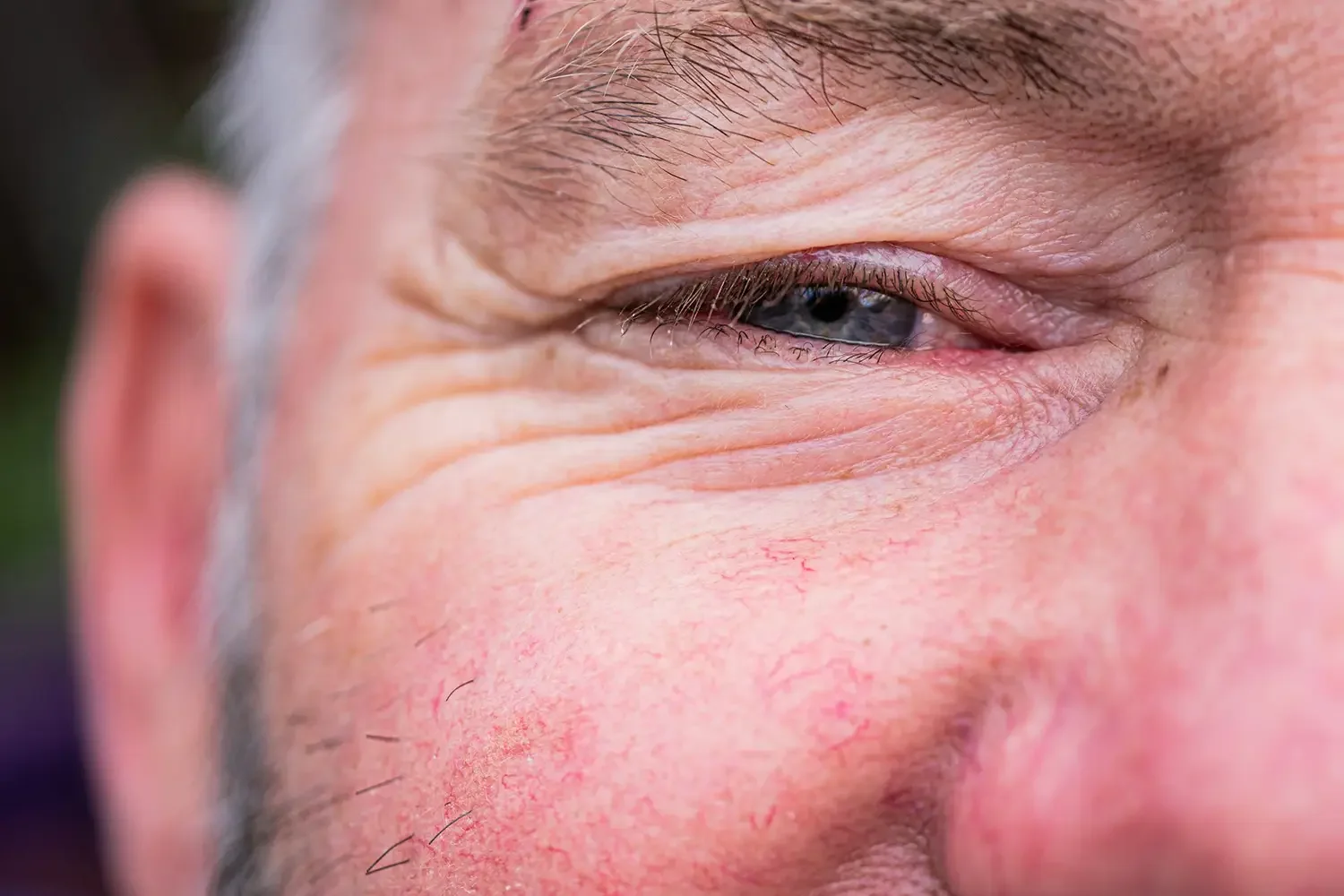
The cream might still spread smoothly and look perfectly white. But the actual SPF performance can drop in ways you'd never catch just by looking at it. A degraded sunscreen may only give you a fraction of what it originally promised, so even with careful application, your skin ends up mostly unprotected against invisible UV damage. Which is how people end up sunburned on a day they swore they applied sunscreen properly. Or notice their skin feeling more parched than usual, without really knowing why
2. The Formula Undergoes Emulsion Separation
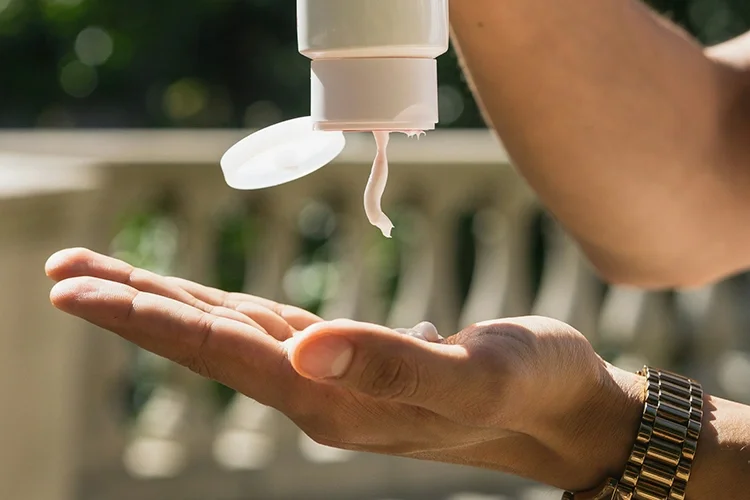
You've probably squeezed a tube before and had a thin, watery oil come out first. Sunscreens are delicately balanced emulsions, holding water, oil, and active protective agents together, and that balance is more fragile than it looks, especially once a bottle has been left in a hot car or a sunny bag for a season or two.
Once that balance fails, the formula separates. Applied like this, it won't spread evenly. You get a patchy, streaky finish instead, with tiny gaps in coverage where UV rays can slip right through. Shaking the bottle might mix things temporarily, but it won't undo chemical breakdown that's already happened.
3. It Can Cause Skin Discomfort and Minor Irritation
Every skincare product relies on preservatives to stay sanitary, and just like active ingredients, preservatives have their own limits.
Formulas that sit through fluctuating or high heat repeatedly see their preservative systems break down faster. Once the formula shifts in ways that aren't always obvious, applying it can leave the skin barrier more reactive than usual, showing up as irritation, redness, or a sudden breakout you weren't expecting.
Credit: Collins Lesulie / Unsplash
How to Check Your Sunscreen's Lifespan Safely
Before deciding a bottle is still good to go, run through these checks.
Locate the EXP Date
Check the crimped seal on the tube or the bottom of the packaging for the letters "EXP." This is the primary marker of when a formula is officially considered expired, and it's the one to trust first. If it's passed, let the product go, opened or not.
No EXP Date? Use the Three-Year Rule
Check the Period After Opening (PAO)
Many cosmetic products also carry a small PAO icon, usually a little open jar with a number and an "M," like 6M or 12M, showing how long a formula is meant to stay at its best once opened, separate from the outer expiration date. For sunscreen specifically, industry guidance generally lands around 6 to 12 months after opening, so a bottle cracked open last spring or summer is worth a closer look even if its printed EXP date hasn't arrived yet.
Look for Structural Changes
Even if the dates check out, pay attention to texture and smell. A sour or off odor, a watery consistency, clumping. Any of these are signs the formula has turned, and at that point, replacing it is the smarter call regardless of what the label says.
Frequently Asked Questions:
"Can I use it on my body or just toss it?"
One question I hear a lot is whether an older sunscreen is fine for arms and legs, since body skin tends to be less reactive than the face.
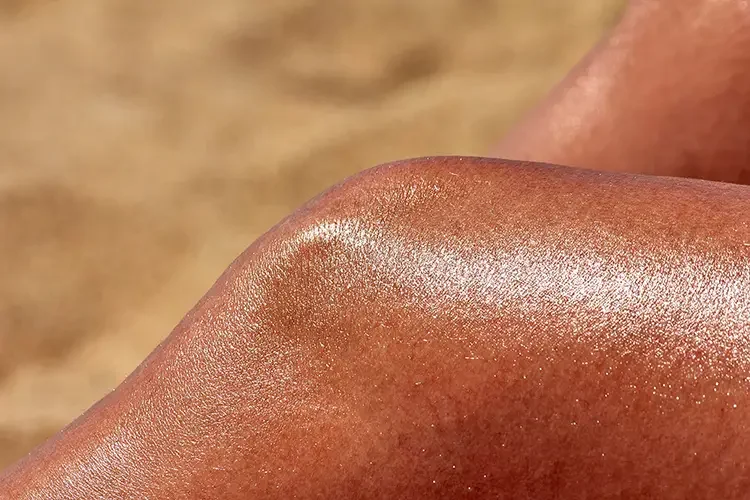
It's true body skin is generally thicker and more forgiving. But a separated, degraded formula doesn't regain its UV protection just because it's going somewhere less delicate. If a sunscreen has failed the checks above, the sun-blocking power is compromised no matter where you apply it, so your arms and legs stay just as exposed to sunburn and long-term damage. Degraded ingredients can still cause itching or redness wherever they touch, too. If it's failed the EXP date, the three-year rule, or shows visible changes, the safest move is to skip using it on your body altogether.
Here's the most practical way to part with sunscreen, based on packaging.
Squeeze Tubes
Most soft tubes are layered plastic and foil, which makes them non-recyclable in most curbside programs. Easiest option: toss the whole tube, product and all, into the regular trash.
Plastic Bottles
Aerosol Sprays
Press the nozzle down until the gas is fully released, to avoid any issues during waste compaction. Once it's empty, trash or recycling, depending on your local rules.
Editor’s Note
Good skincare has always come down to protecting your skin wisely, not just reaching for the priciest product on the shelf, or the newest one either. A sunscreen genuinely doesn't need to be replaced every single season just because a full year has gone by.
What matters is the EXP date, the three-year rule when there isn't one, and paying attention to how the formula actually looks, smells, and feels.
I get the hesitation either way. Tossing something that still looks mostly full is never an easy call, and neither is trusting an old bottle without checking it properly first. Run through the checks above, and let the actual condition of the product, not just the calendar, make the call.
At the end of the day, it's just sunscreen. Not the most exciting purchase you'll make this year. But it's one of the few products where freshness genuinely changes what it does for you, not just how it feels. Worth a quick check next time that bottle looks a little too familiar.
Sources & References
- [1] U.S. Food and Drug Administration (FDA). "Sunscreen: How to Help Protect Your Skin from the Sun." FDA Official OTC Drug Guidelines.
- [2] American Academy of Dermatology (AAD). "Sunscreen FAQs and Media Statistics." AAD Public Health & Dermatology Guidelines.
- [3] U.S. Environmental Protection Agency (EPA). "Household Hazardous Waste (HHW) Management Guidelines." EPA Environmental Protection Regulations.
- [4] How2Recycle / GreenBlue. "National Standardized Packaging Labeling System." How2Recycle Disposal & Materials Matrix.
Read Next