The 5 Best K Beauty Sunscreens of 2026 for Combination Skin
All reviews and opinions expressed here are entirely our own, based on personal experience with products purchased independently.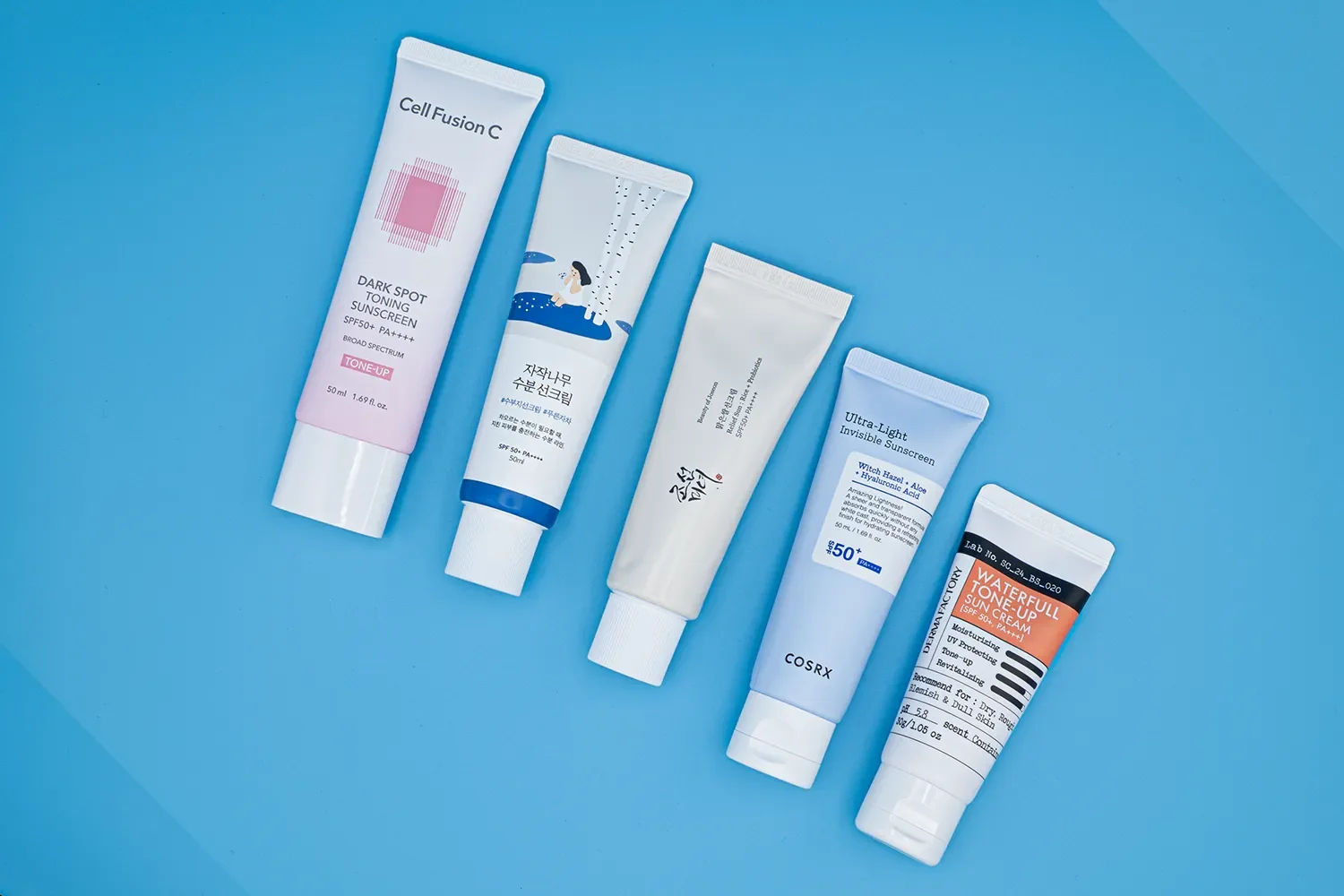
Photo: TheWellnessExaminer
Throughout my 20s, I rarely—if ever—wore sunscreen. I absolutely hated the sticky texture, it felt like an extra chore, and honestly, I just didn’t understand the true value of UV protection.
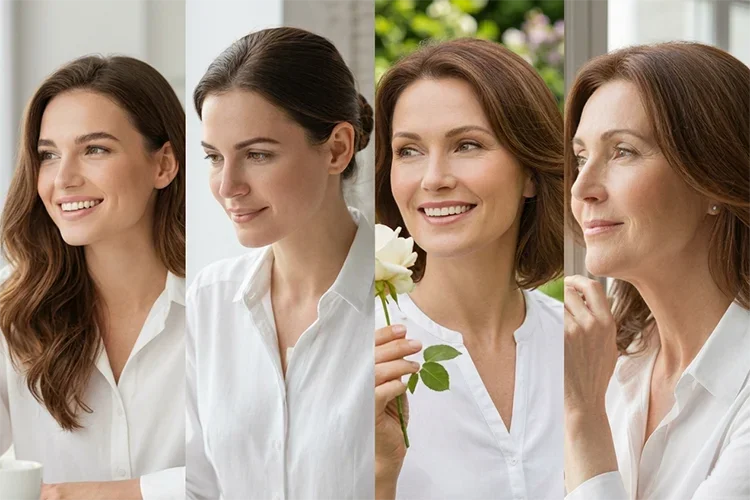
But the moment I hit my 30s, looking in the mirror became a bit of a wake-up call. My skin suddenly looked tired, and the signs of aging were starting to show. Wanting to keep my skin looking healthy and youthful, I dove deep into research on anti-aging. Do you know what every single dermatologist and skincare expert recommended as the number one habit? It wasn’t an expensive serum—it was wearing sunscreen every single day. Daily UV protection is truly the most affordable anti-aging routine you can invest in, serving as the most basic yet powerful way to protect your skin barrier. This is precisely why understanding sun protection by age is so crucial for maintaining long-term skin health.
Since then, I’ve tested and researched countless products to find my perfect match. While Korean skincare is incredibly trendy in the US right now, on a personal level, K-Beauty just works the best for my skin. The formulation and product quality are unmatched, which is why my sun care routine is now 100% K-Beauty.
For context, I have classic combination skin: an oily T-zone and a dry U-zone. If a product is too heavy, my nose and forehead turn into a greasy mess; if it’s too matte, my cheeks feel uncomfortably tight. Finding the right balance is tricky!
Out of everything I’ve tried, these 5 products have officially earned a permanent spot on my vanity. Before we dive into the reviews, let’s talk about how I categorize my sunscreens depending on my daily routine.
Do You Match Your Sunscreen to Your Day?
Through a lot of trial and error, I realized that you shouldn't just stick to one sunscreen. Your skin needs different things depending on your schedule and the weather. I split my collection into two main categories based on their chemical and physical properties:
• Ton-up Sunscreens (Often Mineral/Physical): These don't leave a chalky, harsh white cast. Instead, they leverage mineral filters to give your skin a lovely, subtle pink or beige tint that brightens your complexion by half a shade. They are an absolute lifesaver on days when you’re too lazy to do a full face of makeup but still want to look put-together. Plus, they double as an amazing, lightweight makeup base or primer before foundation!
• Invisible Moisturizing Sunscreens (Typically Chemical): These rely on chemical filters to be completely sheer and absorb like a lightweight moisturizer. They are perfect for casual days at home, running errands, or going to the gym. However, keep in mind that not all invisible formulas play well with makeup—some might cause pilling depending on their texture, so it's all about finding the right one to prep your skin.
Here is my honest breakdown of the 5 products keeping my combination skin protected and glowing!
Type 1. The "Foundation-Free" Daily Tone-Up Line
On days when I'm just running out to meet friends or running quick errands, doing a full face of foundation feels way too heavy. These two are my absolute favorites for giving my dull complexion an instant, healthy boost.
1. Cell Fusion C Dark Spot Toning Sunscreen
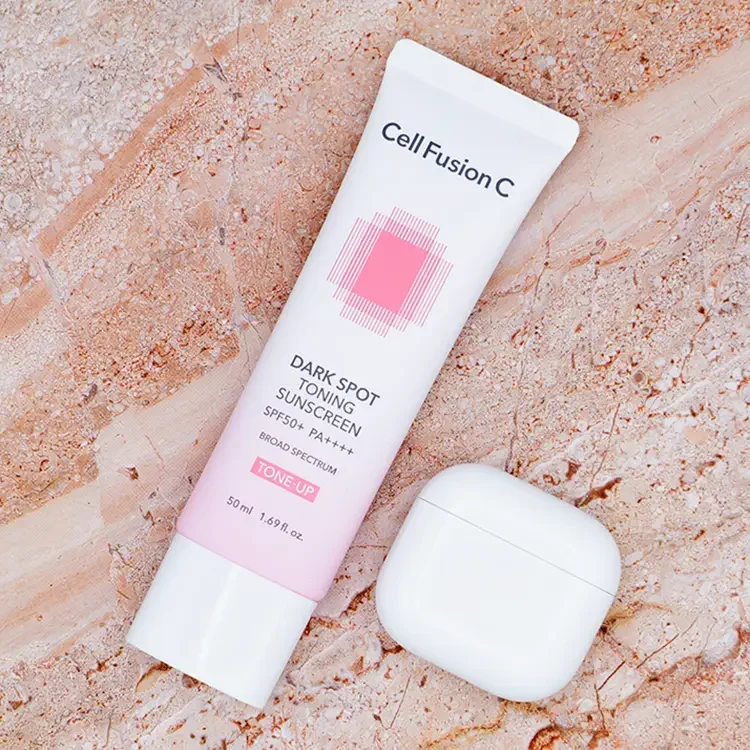
This product has held the crown on my vanity for years. As I get older, dark spots and hyperpigmentation are my biggest worries, and this sunscreen targets those concerns while naturally brightening my skin tone. Even with my combination skin, it never makes my T-zone look overly greasy. It instantly transforms dull skin into a fresh, glowing complexion, giving me the confidence to go out completely bare-faced. I highly recommend this to any woman looking for that perfect everyday glow.
2. Derma Factory Waterfull Ton-up Sun Cream
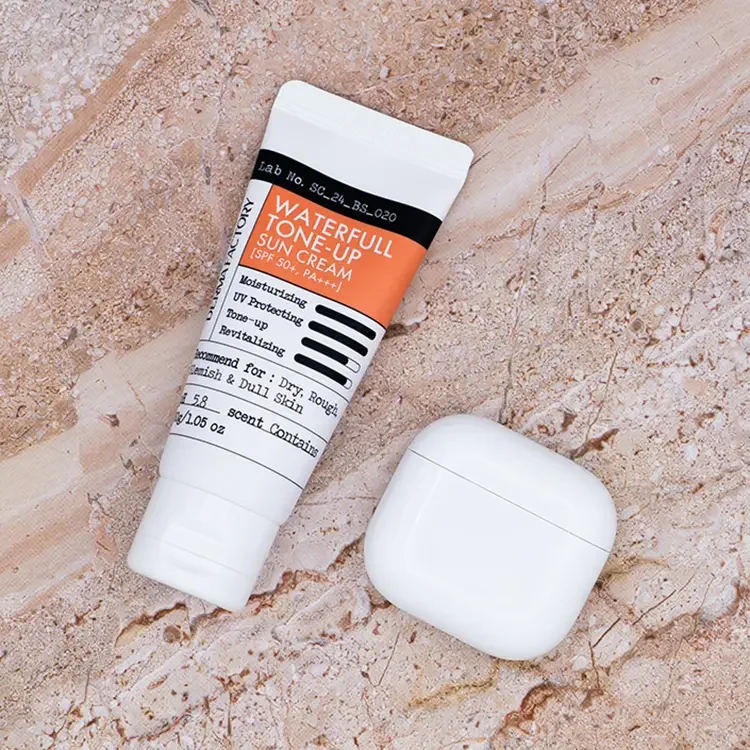
My younger sister actually gifted this to me, and it completely blew me away. The tone-up effect is gorgeous, so I now use it as part of my main rotation alongside Cell Fusion C. Compared to Cell Fusion C, this one is definitely more sweat-resistant. Yet, despite being long-wearing, it’s not dry or overly matte at all—it lives up to its "Waterfull" name. It has a beautiful pinkish base that adds instant life to your face. During the hot summer months, I completely skip foundation and just wear this out the door.
Type 2. The Sheer, Hydrating & Soothing Line
These are my go-to clear sunscreens for when I’m relaxing at home or need a hydrating base layer that won't interfere with my makeup.
3. Round Lab Birch Juice Moisturizing Sunscreen
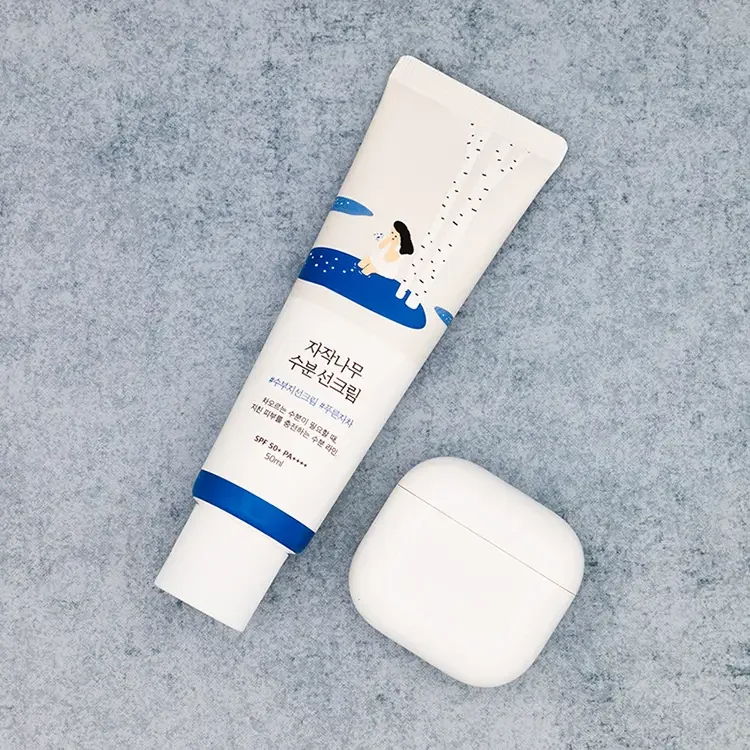
This is already a legendary cult-favorite in Korea, and the texture truly feels like a hydrating essence. For combination skin, layering a heavy cream and sunscreen in the hot summer is a recipe for a T-zone disaster. On hot days, I wash my face, apply toner, completely skip my moisturizer, and go straight in with this. It feels like a soothing lotion that sinks in beautifully, keeping my dry cheeks hydrated without weighing down my oily areas.
4. Beauty of Joseon Relief Sun : Rice + Probiotics
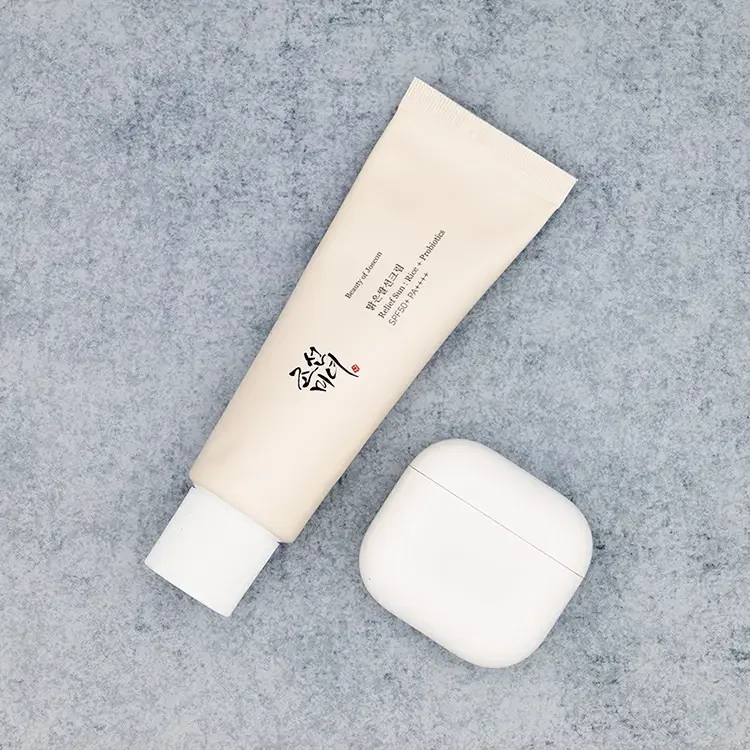
This product is incredibly viral here in the US, and chances are you’ve already seen it all over your feed! After trying it myself, I instantly understood the hype. The application is so smooth and luxurious. I absolutely love the very subtle, comforting scent of rice as you apply it. For my combination skin, it locks moisture into my U-zone and leaves behind a sophisticated, elegant radiance rather than a heavy, oily sheen.
5. COSRX Ultra-Light Invisible Sunscreen
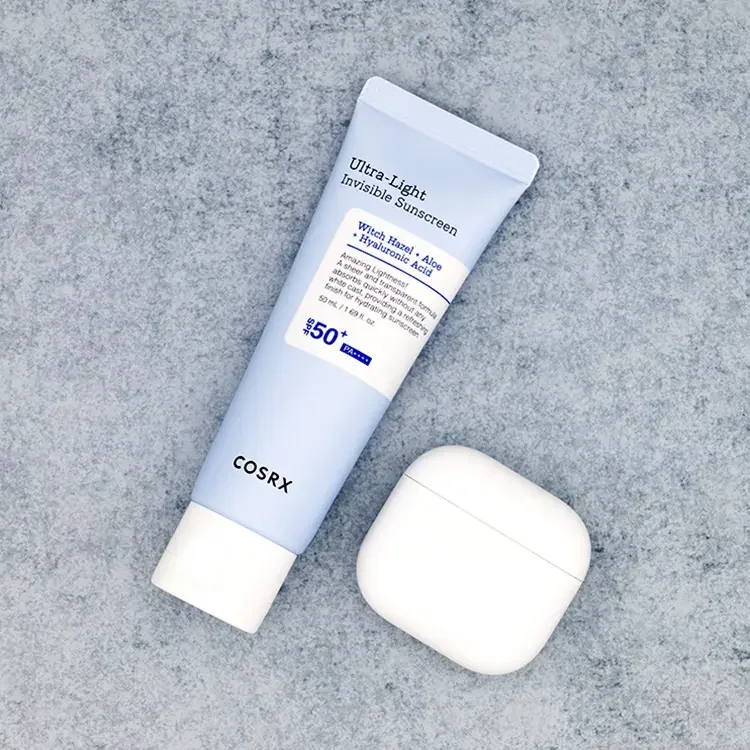
To be honest, I’m a die-hard fan of the COSRX Salicylic Acid Daily Gentle Cleanser—it’s my absolute holy grail for keeping my combination T-zone clear! (I know, a bit funny to bring up a cleanser in a sunscreen review) But because that cleanser changed my skin, I figured their sunscreen would be amazing too, so I recently picked it up. It has a very fluid, watery consistency that leaves absolutely zero weight or residue on the skin, which is a massive plus for my oily areas.
To be completely honest, this one can be a little picky. I noticed that if I apply it right before doing my makeup, it tends to cause a bit of pilling—which is why I avoid wearing it under foundation. However, it is the absolute perfect gift for a boyfriend or husband who refuses to wear sunscreen because they hate the sticky, heavy feeling. It fits seamlessly into a minimalist men's skin barrier recovery routine after a long day or an intense workout, absorbing so fast into the skin that they won't even notice it's on!
Frequently Asked Questions
-
Pilling usually happens when your skincare hasn't fully absorbed or when the ingredients clash with your foundation. For combination skin, wait at least 5 minutes after applying your invisible sunscreen before moving on to makeup. Also, try patting your foundation onto the skin with a damp sponge instead of rubbing it in.
-
Not necessarily! Many modern Korean formulations—like the Round Lab one—are intelligently designed to double as a lightweight lotion. If you have combination skin, skipping your morning cream and going straight to a hydrating SPF is actually a great hack to keep your T-zone from getting too oily during the day, as it balances how your topical application interacts with the skin barrier.
-
Absolutely! Tone-up sunscreens are perfect multi-taskers. They not only protect your skin from UV rays but also brighten dullness and smooth out your skin texture, creating a beautiful canvas that helps your foundation grip better and last longer.
It’s Never Too Late for a Healthy Glow
Just because we didn't take care of our skin in our 20s doesn't mean it's too late. Especially for tricky combination skin, finding the right sunscreen types to balance your oil and moisture levels is everything. When you commit to the daily ritual of protecting your skin, your face will reward you with a healthy, natural glow.
Sources & References
- [1] American Academy of Dermatology (AAD). "Sunscreen FAQs: How to Select Sunscreen and Understand Physical vs. Chemical Filters." Official Dermatological Guidelines & Public Resources.
Beyond Sun Protection