Sun Protection Strategies by Age How to Protect Your Skin Assets
At a Glance
Click a point below to jump to the details.A woman's skin aging process from 20s to 50s for sun protection guide. (Image: AI-generated)
Let’s be real for a moment.
If you invested in a high-quality Vitamin C serum last night but skipped sunscreen this morning, it’s a bit like trying to clean your house while the windows are wide open during a dust storm. It’s a cycle that prevents you from seeing the results you deserve.
Skincare is a journey of consistency. And SPF? It is the essential foundation that allows all your other products to work their magic. Think of your skin as a delicate ecosystem; when you protect it from UV rays, you’re giving it the environment it needs to thrive.
The 20s: The Prevention Phase
“Early Investment.”
In your 20s, your skin is at its peak. Collagen is thriving, and its natural resilience is strong. However, UV exposure at this age can be subtle, often revealing itself as dark spots or fine lines years later.
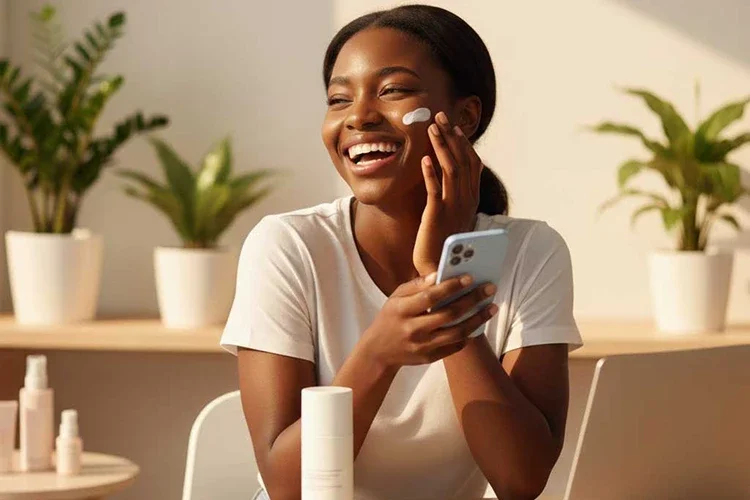
The goal is to make sun protection a natural part of your morning ritual, rather than an afterthought.
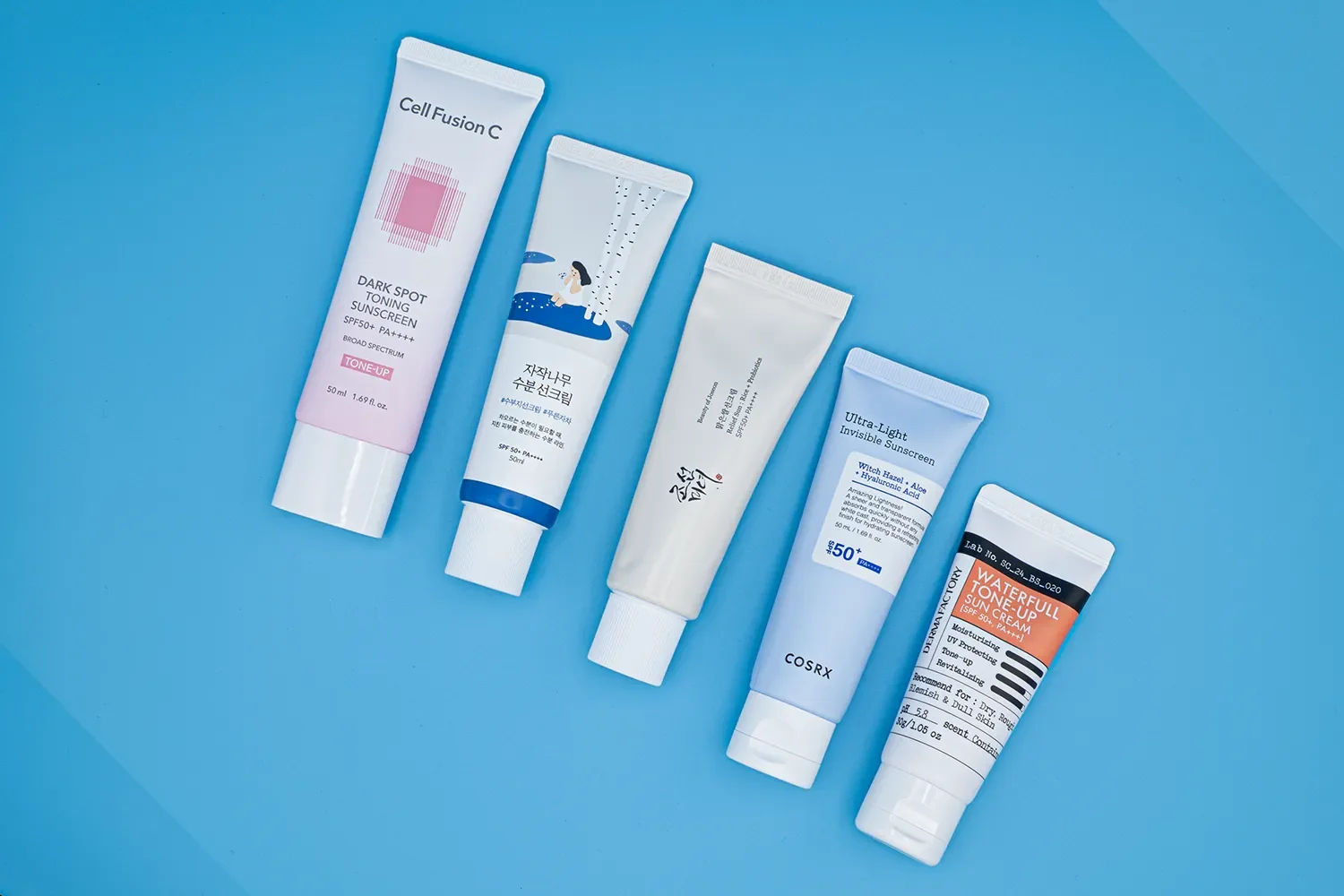
To keep things simple, choose a lightweight, daily SPF that doubles as a smooth base for your makeup. Investing in this small habit now is truly the best gift you can give your future self.
The 30s: The Early Defense
“Supporting the Barrier.”
This is when your skin begins to share its story. You might notice a fine line or a sunspot that wasn't there last summer—these are simply cues from your skin that it needs a little more support. Now is the perfect time to pair your SPF with antioxidants.
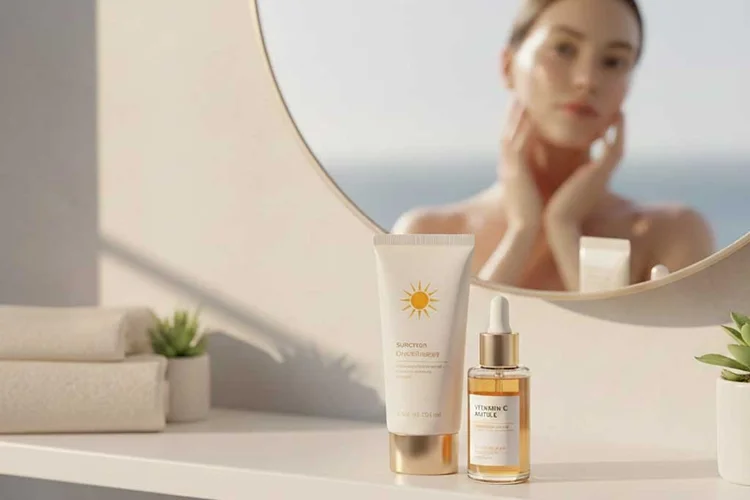
Consider layering a Vitamin C serum under your sunscreen.
Pay extra attention to the delicate eye area and the "high points" of your face, tending to your skin with the same care you would give to a young garden.
The 40s: Repair & Protect
“The Nourishing Shield.”
In your 40s, natural hormonal shifts can make your skin feel a bit more expressive—perhaps a little drier or more sensitive than before. Because a weakened barrier is more vulnerable to UV rays, it’s beneficial to upgrade to a formula that nourishes while it protects.
It’s also the time to extend that care beyond your face; your neck and the back of your hands deserve the same protection.
If you’ve found sunscreens irritating in the past, a gentle mineral formula can provide a comfortable, soothing barrier for your skin to rest under.
The 50s+: The Restoration Ritual
“Graceful Resilience.”
Your skin has seen a lot of life, and it deserves focused respect. At this stage, sun care is about restoring comfort and supporting the skin’s natural healing process. It’s about protecting the collagen you have while nourishing your skin’s overall health.
Since consistency is key, keep a sun stick or a cushion compact nearby for easy touch-ups that won't disturb your glow. Treating your skin to a rich, protective layer every morning is a beautiful act of self-care that honors the skin you’re in.
Sun Protection FAQs: Strategies by Age
-
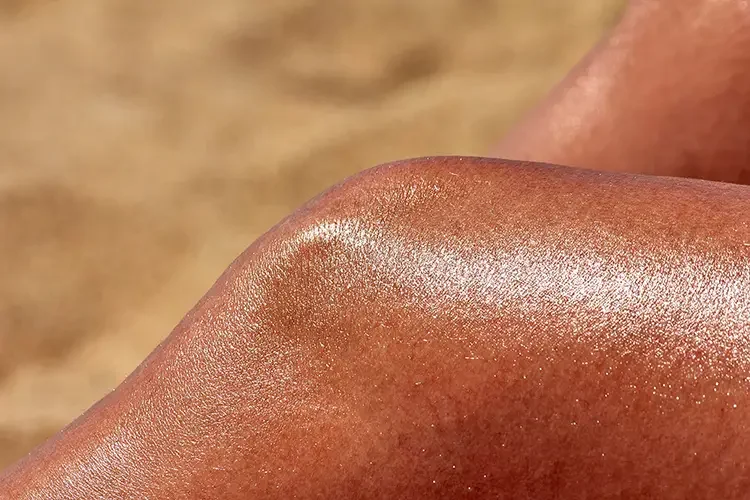
It is never too late to protect what you have. Skipping SPF because of existing damage is like leaving a door open after a draft has already entered; it only makes the situation harder to manage. UV rays can deepen existing lines and make pigmentation more stubborn. Protecting your skin now is the only way to allow your repair creams to actually do their job.
-
Genetics provide the foundation, but environmental factors like UV rays act as the primary influence on how that foundation ages. While you may have great genes, sun damage is cumulative. It often builds up quietly and then appears more noticeably later in life. Consistent protection ensures your "genetic luck" lasts as long as possible.
-
Absolutely. Skincare is about daily commitment, not occasional indulgence. A modest serum used consistently alongside daily SPF will yield far better results than a luxury cream used once a week. Without SPF, the sun can undo the progress made by even the most expensive treatments.
Listen to Your Skin
Before reaching for the next expensive "miracle" product, take a moment to ask: Have I nourished my skin’s foundation today?
Sun protection is a beautiful act of self-care. It’s about empowering yourself with knowledge and finding joy in the consistency of your ritual. A true, healthy glow isn't just something you purchase; it’s a reflection of the daily respect you show your skin.
So, before you apply your potent actives, remember to seal in your progress with your favorite SPF. Let’s celebrate those small, daily wins for your skin’s future!
Sources & References
- [1] Skin Cancer Foundation "UVA & UVB: Understanding the Difference in Photoaging" Official Health Guide - Risk Factors
- [2] Telang, P. S. (2013) "Vitamin C in Dermatology: Mechanisms of Action and Photoprotection" Journal of Clinical and Aesthetic Dermatology - NIH/PMC
- [3] ScienceDirect / Elsevier "Ceramides: Role in Skin Barrier Function and Lipid Homeostasis" Biochemistry and Molecular Biology Reference
- [4] Harvard Health Publishing (2024) "Skin care for aging skin: The Role of Retinoids in Minimizing Age Spots" Harvard Medical School - Healthy Aging Guide
Read Next