Post-Sunburn Recovery: 72 Hours to Stop Premature Aging
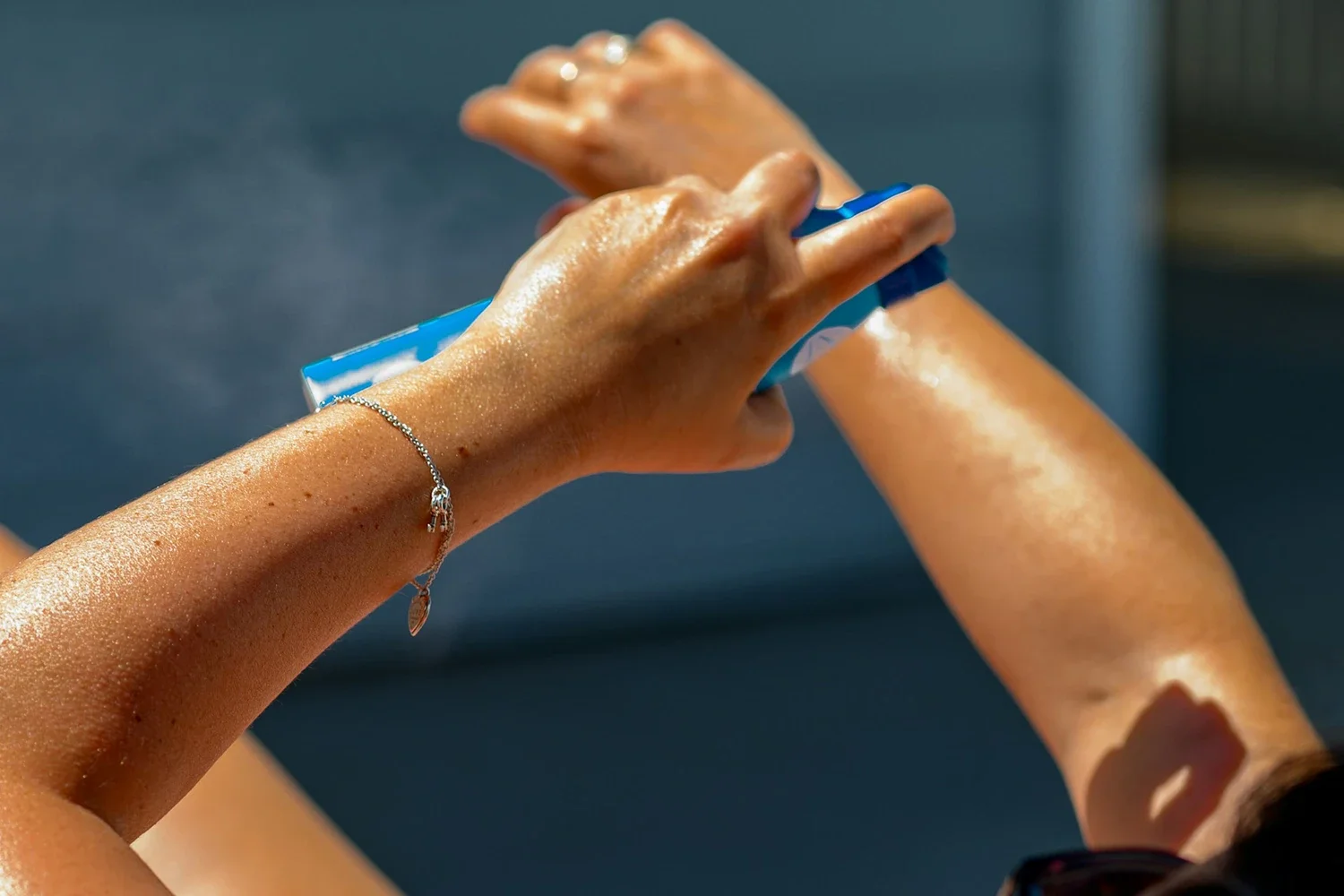
Credit: Óscar Salgado / Unsplash
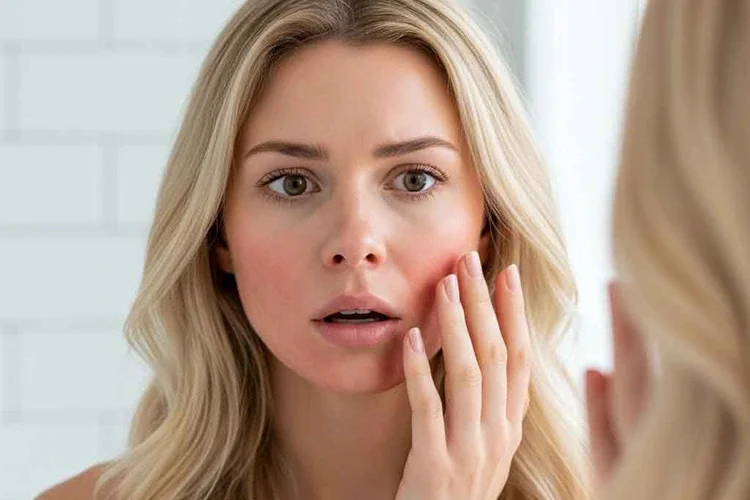
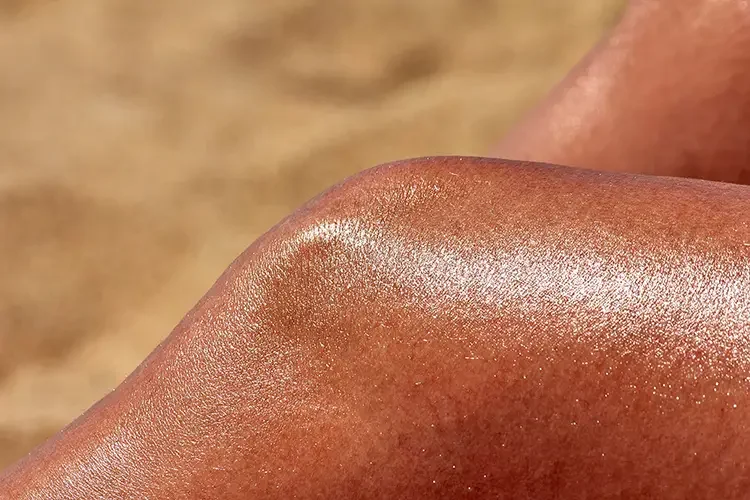
That lingering heat after a day out in the sun? It's telling you something. Far more than a passing flush, it's your skin's own signal that its deeper layers are under real strain.
Skincare experts have a name for the 72 hours that follow UV exposure. They call it the "Golden Time," and I like to think of it as a narrow, precious window, one where every choice you make quietly decides how gracefully your skin barrier bounces back.
So if today's irritation isn't going to settle into lasting sun damage, basic soothing tricks simply won't cut it. This 72-hour recovery ritual really comes down to three things. Calming the heat. Locking in real moisture. And giving your skin precisely what it needs to stay resilient, and yes, radiant, long after the tan fades.
0 to 24 Hours
When Cooling Comes First
Forget the Ice Cubes
Direct ice sounds like relief, but it's actually too harsh for cells already under stress. A chilled, alcohol-free toner swept on with cotton pads does the same cooling job, just more gently.
Aloe and Panthenol, a Reliable Pair
Aloe vera cools and hydrates the moment it touches skin. Panthenol works a little slower, quietly helping the barrier find its footing again. Together, they cover more ground than either does alone.
Not the Moment for Actives
Picture your skin as a garden that's caught fire. Feeding it retinol or acids right now accomplishes very little. The flames need putting out first, and everything else can wait.
24 to 48 Hours
The Thirst Sets In
Once the initial heat fades, a different problem shows up. Dehydration. UV exposure burns through your skin's natural moisturizing factors and opens tiny cracks in the lipid bilayer, the barrier that normally keeps moisture exactly where it belongs.
Ceramides Do the Heavy Lifting
Hyaluronic Acid, Layered
A serum with multiple molecular weights of hyaluronic acid is considered a smart choice. It lets moisture travel deeper into skin instead of just sitting on the surface.
How You Apply It Matters, Too
Hydration isn't only about what's in the bottle. Pressing product into skin, rather than swiping it on, gives every layer an actual chance to absorb what it needs.
48 to 72 Hours
Now We Talk Repair
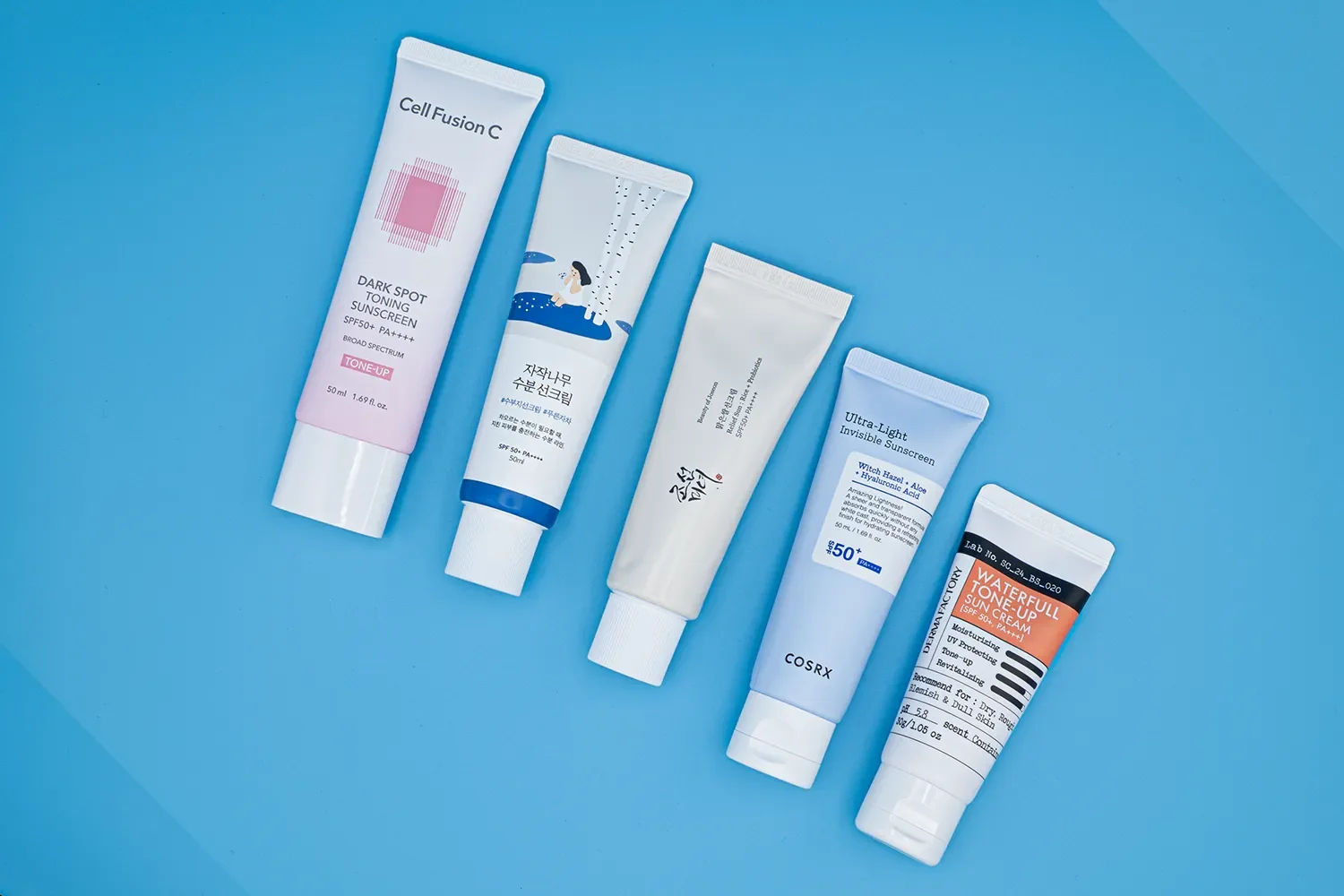
By this point, skin is ready to start its own rebuilding work. Introducing more sophisticated actives now can make the most of that internal repair process already underway.
Where Collagen Comes Back Into the Picture
Antioxidants, But Only When Skin Says So
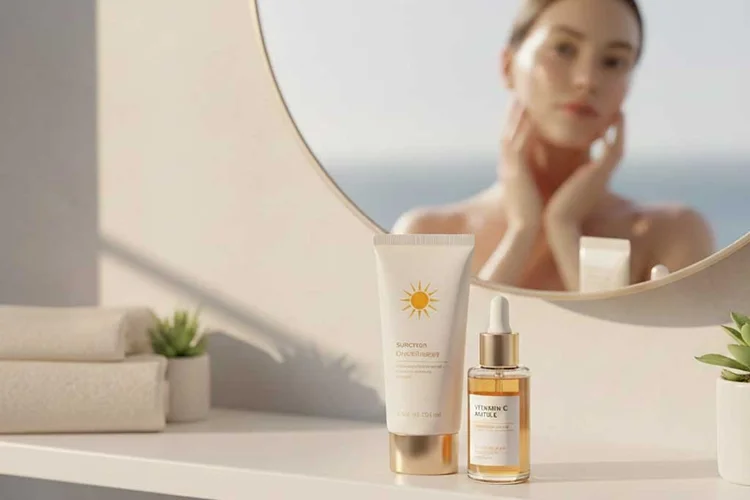
Vitamin E and ferulic acid can help clear out lingering stress in the skin, just not yet. It's best to wait until the barrier feels genuinely settled before folding them into your routine.
Patience, Still
Rushing strong actives in before skin is ready is a bit like building on a foundation that hasn't set. Give it the time it actually needs.
FAQ on the Science of Recovery
-
Probably nothing, actually. The real culprit is often sitting in the ingredient list, not your technique. Dermatologists specifically flag alcohol-based gels and creams here, since they can trap in heat rather than release it.[6] A few things worth checking before you reach for anything else.
Look at the label first. If "alcohol" or "ethanol" shows up near the top, set that product aside for now.
Reach for a single-ingredient alternative instead, like a compress made with chilled sterile saline.
Pure aloe vera, without added fragrance or irritants, still holds up as a reasonable go-to.
-
Hold off, at least for now. That tight feeling usually signals peak inflammation, and heavier, oil-based products (petroleum jelly included) are generally discouraged here for the same heat-trapping reason mentioned above.[6] Water-based hydration does more good in these first 48 hours. Think of it less like moisturizing, more like watering a plant that's gone dry in the sun.
-
Let it happen on its own. Dermatologists are fairly consistent on this one.
Avoid touching, picking, or manually removing peeling skin.[6]
Peeling is doing real work, acting almost like a biological bandage over the tissue underneath.
A better use of your energy is flooding the area with ceramides and lipids, which support the skin from beneath so the flaking resolves without setting back your barrier's long-term resilience.
Investing in Your Skin’s Future
Sunburn care was never really just about calming down redness. Done well, it's a chance to help your skin heal from the inside out and hold onto its resilience for years, not just days.
What you do for your skin barrier this week quietly shows up later, in skin that stays firm, healthy, and naturally radiant well down the road. Long-term skin health, more than anything, comes down to the small, gentle habits you keep returning to.
Sources & References
- [1] American Academy of Dermatology (AAD). "How to treat a sunburn: Immediate First Aid and Precautions." Official Patient Education - Everyday Care.
- [2] Zettersten, E. M., et al. (1997). "Optimal ratios of topical stratum corneum lipids improve barrier recovery in chronologically aged skin." Journal of the American Academy of Dermatology (JAAD).
- [3] Pickart, L., & Margolina, A. (2018). "Regenerative and Protective Actions of the GHK-Cu Peptide in the Light of the New Gene Data." International Journal of Molecular Sciences (IJMS).
- [4] Park, D. (2013). "Madecassoside Inhibits Melanin Synthesis by Blocking Ultraviolet-Induced Inflammation." Molecules.
- [5] National Health Service (NHS). "Sunburn." NHS Health A to Z - Official Guide.
- [6] Piliang, M., MD (2025). "8 Hot Tips for Sunburn Relief." Cleveland Clinic - Health Essentials.
Read Next