The Weird Reason Retinol Leaves Your Skin Defenseless (And What Fixes It)
At a Glance
- Retinol speeds up cell turnover, which softens fine lines. It also leaves fresh skin more exposed.
- SPF 30 the next morning isn't optional. It's what makes the Retinol worth it.
- Retinol raises light sensitivity, so window and screen light count too, not just outdoor sun.
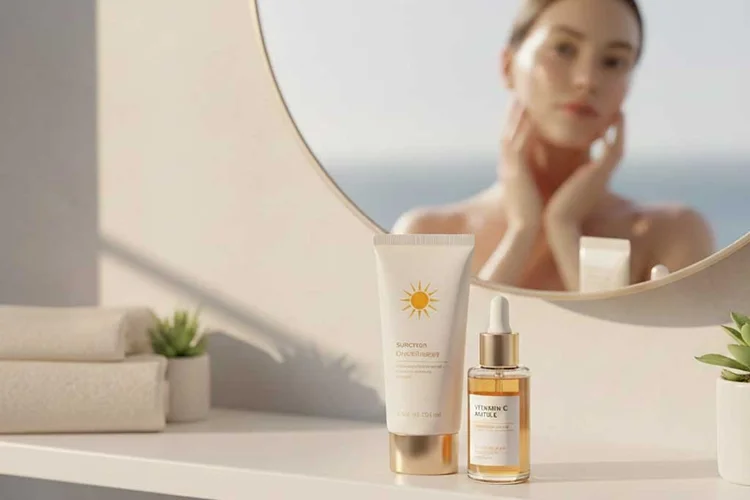
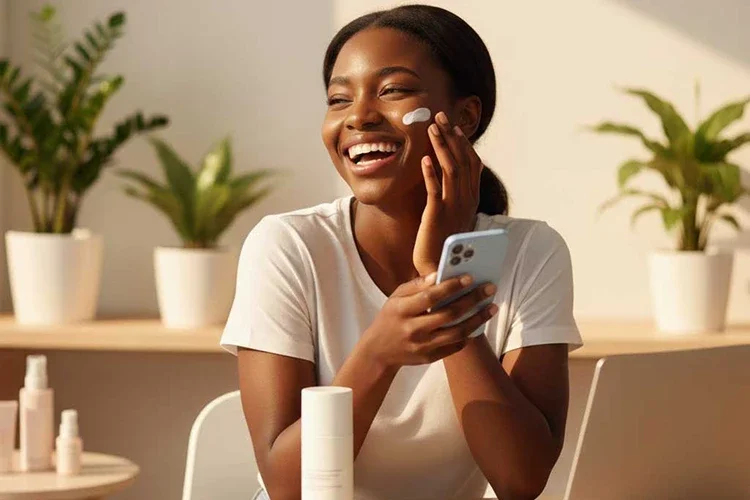
Skin fresh out of a Retinol routine still needs its morning half of protection. (Image: AI-generated)
Most people treat their nighttime Retinol step as the finish line. Cleanse, buffer, apply, done. It isn't. That's only half the job, and the other half happens the next morning.
It's an easy habit to fall into. Skincare routines that nail the nighttime step and quietly skip what comes after. Retinol's glow only survives daylight if sunscreen shows up too. Skip it, and you're paying for expensive skincare only to hand half the results back to the sun for free.
Fresh Skin Isn't Tough Skin
Retinol works by clearing out old, dull skin cells to make room for new ones. Those new cells look smooth and bright almost immediately.
They also haven't built up any defenses yet. No callouses, no protection, nothing standing between them and the sun.
It's a fair trade for plenty of people. For those who'd rather skip it altogether, plant-based options like Bakuchiol offer similar benefits without the added sun sensitivity.
The Half You Keep Skipping
Retinol does its part at night. Sunscreen does its part the next morning. Skip one, and the other doesn't hold up on its own.
It happens all the time. Someone nails the Retinol step, skips SPF, and wonders why their skin looks more tired than transformed. It's not the Retinol's fault. It's the missing half.
Frequently Asked Questions
-
Yes, even on a cloudy day. Retinol brings fresh, more vulnerable cells to the surface, and clouds barely put a dent in UVA exposure. They block visible light, not the rays doing the actual damage. If you're going to spend money on Retinol, SPF 30 the next morning is what makes that spend worth it.
-
Yes, especially if you're near a window or a screen for most of the day. UVA slips through glass, and blue light from your devices adds its own slow toll. Skin that's already sensitized by Retinol handles both worse than usual, contributing to oxidative stress and subtle pigment changes over time.[3] Think of a light layer of SPF as your screen's silent bodyguard.
-
That's exactly when it matters most. Peeling means your barrier is thinner and more exposed than usual, not less in need of protection. Reach for a mineral sunscreen instead. Look for Zinc Oxide or Titanium Dioxide on the label. They sit on top of the skin rather than absorbing in, which tends to feel gentler on skin that's already having a rough week.
The Morning Half of the Routine
If Retinol did its job last night, SPF is how you keep that job done today. Not just for the beach. Cloudy mornings, winter light, an office desk near a window all count.
It's a small step, and it's the one that lets everything else hold. Thirty seconds each morning, in exchange for skin that finally gets to keep its progress.
Sources & References
- [1] Skin Cancer Foundation (2026). "UV Radiation & Your Skin." Skin Cancer Foundation.
- [2] Harvard Health Publishing (2025). "Do retinoids really reduce wrinkles?" Harvard Health Publishing.
- [3] Kohli, I., et al. (2024). "Blue Light-Induced Pigmentation." Journal of Investigative Dermatology.
Read Next