At a Glance
- Ceramides, cholesterol, and fatty acids are the same lipids your skin already makes, so they absorb and integrate instead of just sitting on the surface.
- A stronger barrier means your skin can stop fighting off irritants and put that energy into repairing itself and making new collagen.
- How you apply these ingredients, like using damp skin and pressing instead of rubbing, matters just as much as which product you pick.
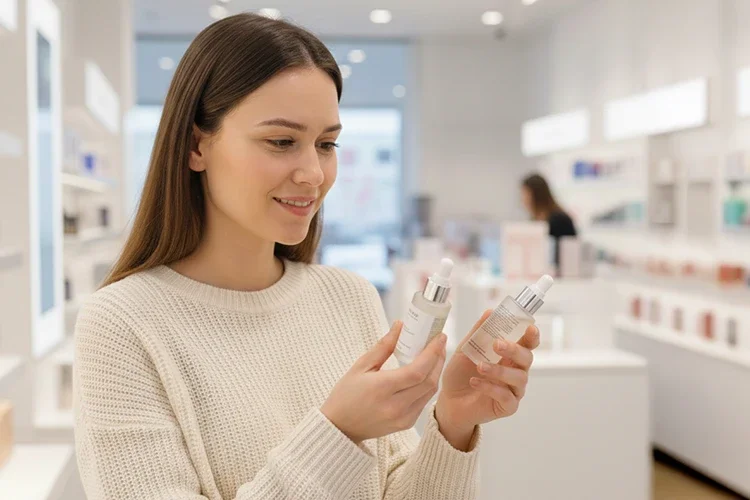
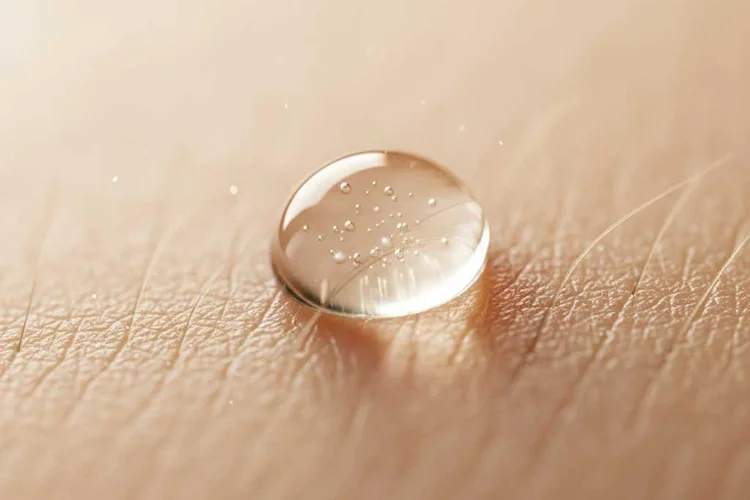
Mimicking the skin's natural lipid structure to support a stronger barrier. (Image: AI-generated)
Some skincare products just seem to click with your skin right away, and there's a real reason for that. Those products are often built with biomimetic ingredients, meaning lab-made versions of the exact same components your skin already produces on its own, not just something similar.
Think of it like showing up somewhere you're already recognized, instead of sneaking in as a stranger. Rather than sitting on the surface like a heavy mask, these ingredients slip into your acid mantle, the skin's naturally slightly acidic protective layer, and get straight to work, locking moisture in while keeping irritants out.
The Big Three of a Strong Skin Barrier
Think of your skin barrier as a protective brick wall.
Ceramides
Think of these as the glue that holds your skin cells together. Without enough glue, moisture leaks out, and your skin can feel dry or irritated.
Cholesterol
This one keeps that glue workable instead of turning stiff and brittle. It fills in the small gaps between ceramides, so the barrier stays flexible enough to move with your face all day.
Fatty Acids
These keep everything flexible and balanced. They make sure your skin stays soft and can shed old cells properly to reveal fresh skin.
By the way, you'll often see squalane marketed the same way, as a biomimetic ingredient. It's a good ingredient, but it's a stabilized version of squalene, something your skin makes as part of its surface oil, not the deeper barrier lipids we just covered. Ceramides, cholesterol, and fatty acids are a closer match. Skincare versions of these are usually built to be molecularly identical to what your own skin cells already produce.
From Defense Mode to Glow Mode
When you use biomimetic skincare, you're basically telling your skin, "It's okay, I've got you covered." Once those gaps in your barrier are filled, your skin can finally relax.
How You Apply It Matters Just as Much
Now that you know why these ingredients work so well, let's talk about how to use them. It's not just about what's in the bottle. It's about how your skin receives it.
Try Applying on Damp Skin
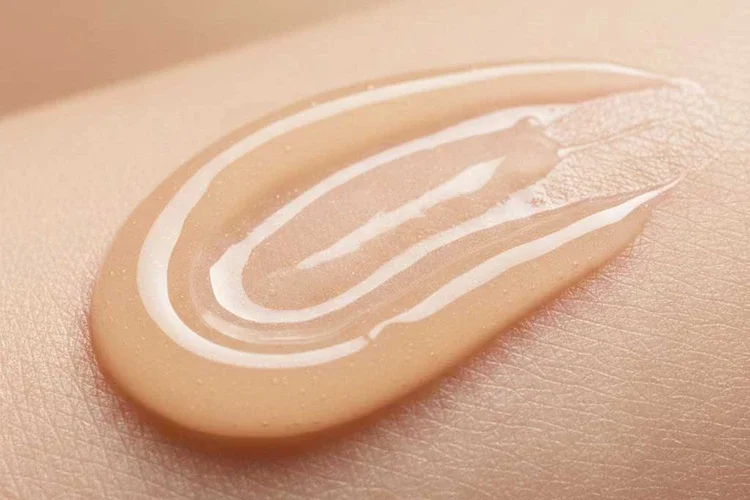
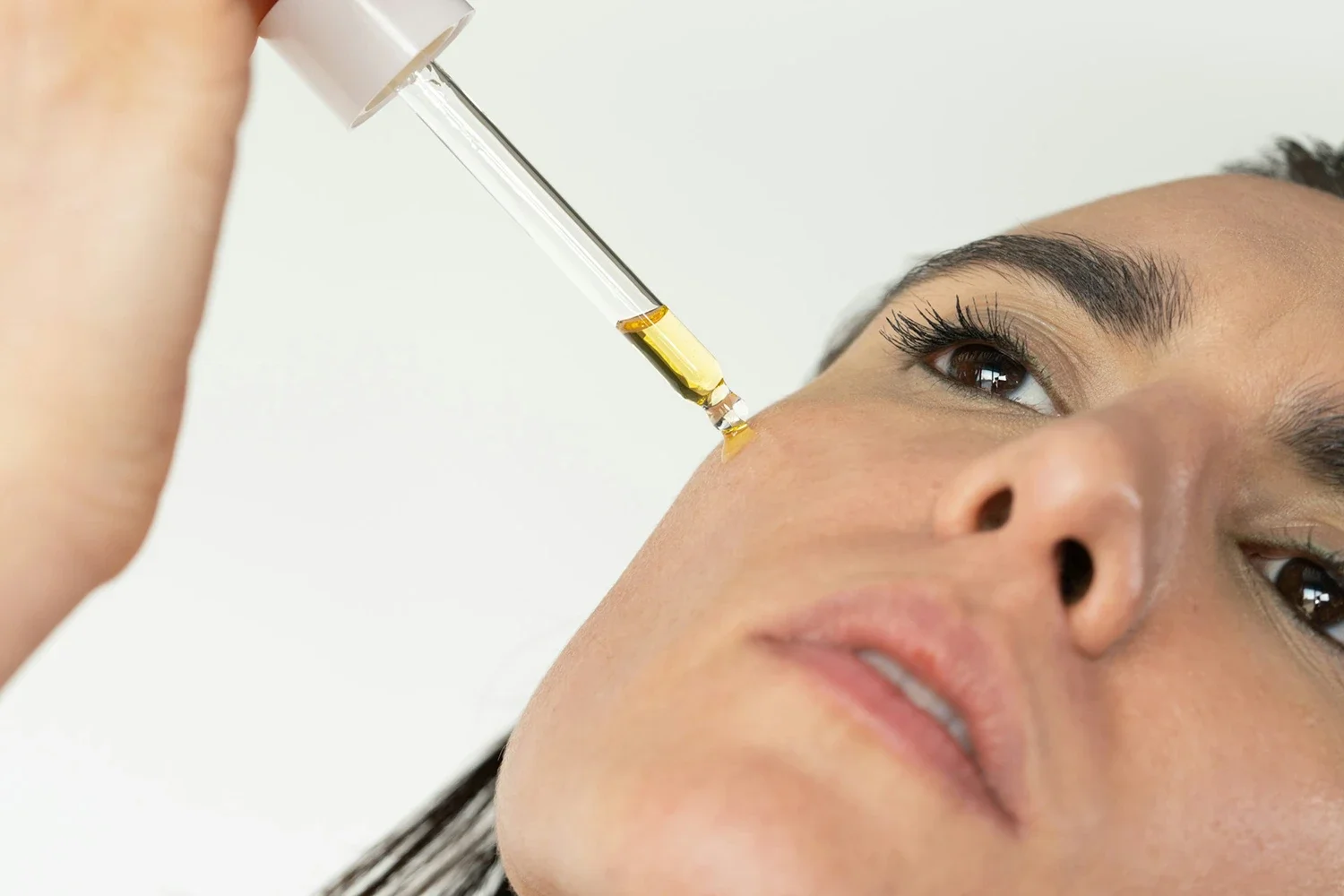
Don't wait for your face to bone-dry after washing. Biomimetic ingredients love a little moisture. Applying your serum or cream on slightly damp skin helps hold that hydration in place, making the barrier-building process even smoother.
Gentle Press
Instead of rubbing, which can be stressful for a weak barrier, try gently pressing the product in instead. Apply it to your palms, then press them onto your face so your body heat helps the Ceramides and Cholesterol melt right in.
Thin to Thick
Always start with your most watery products and finish with the creamier ones. This mimics how your skin is built. Water sits on the inside, with a protective oil layer on the outside.
Frequently Asked Questions
-
Regular moisturizers often create a surface seal. Biomimetic formulas are designed to supplement what the skin is missing. It's the difference between wearing a temporary raincoat and reinforcing the actual roof of your house.
-
In a gentle way, yes. When your skin isn't spending energy fighting off irritants, it can put more of that energy into repair, including making new collagen. It's not something you'll notice overnight, but it does add up as a long-term habit.
-
It's not just marketing. Your skin's own barrier is layered the same way, with water-based components sitting closer to the surface and oils sealing everything in. Applying products in that order, thinnest first, helps each layer absorb instead of sliding off the one before it.[1]
A Note from Isabella
Great skincare shouldn't be a chore. It should be a quiet moment of self-respect. When you give your skin exactly what it recognizes, you are supporting its natural renewal cycle. And when it loves what it receives, it will work hard to look its best for you. Focus on the basics, and the radiance will follow.
Sources & References
- [1] Elias, P.M. (2008). "Skin Barrier Function." Journal of Investigative Dermatology.
- [2] Elias, P.M. (2007). "The Skin Barrier as an Innate Immune Element." Seminars in Immunopathology.
- [3] Fuller, B. (2019). "Role of PGE-2 and Other Inflammatory Mediators in Skin Aging and Their Inhibition by Topical Natural Anti-Inflammatories." Cosmetics.
Read Next