Those Black Triangles Between Your Teeth Aren't Random
At a Glance
- Black triangles usually aren't a hygiene issue—just gums and bone naturally shifting with age.
- Left alone, they trap food and can quietly lead to plaque buildup and more bone loss.
- A water flosser helps keep them clean, and dental bonding is a gentle option if you want the gap closed.
Credit: Ozkan Guner / Unsplash
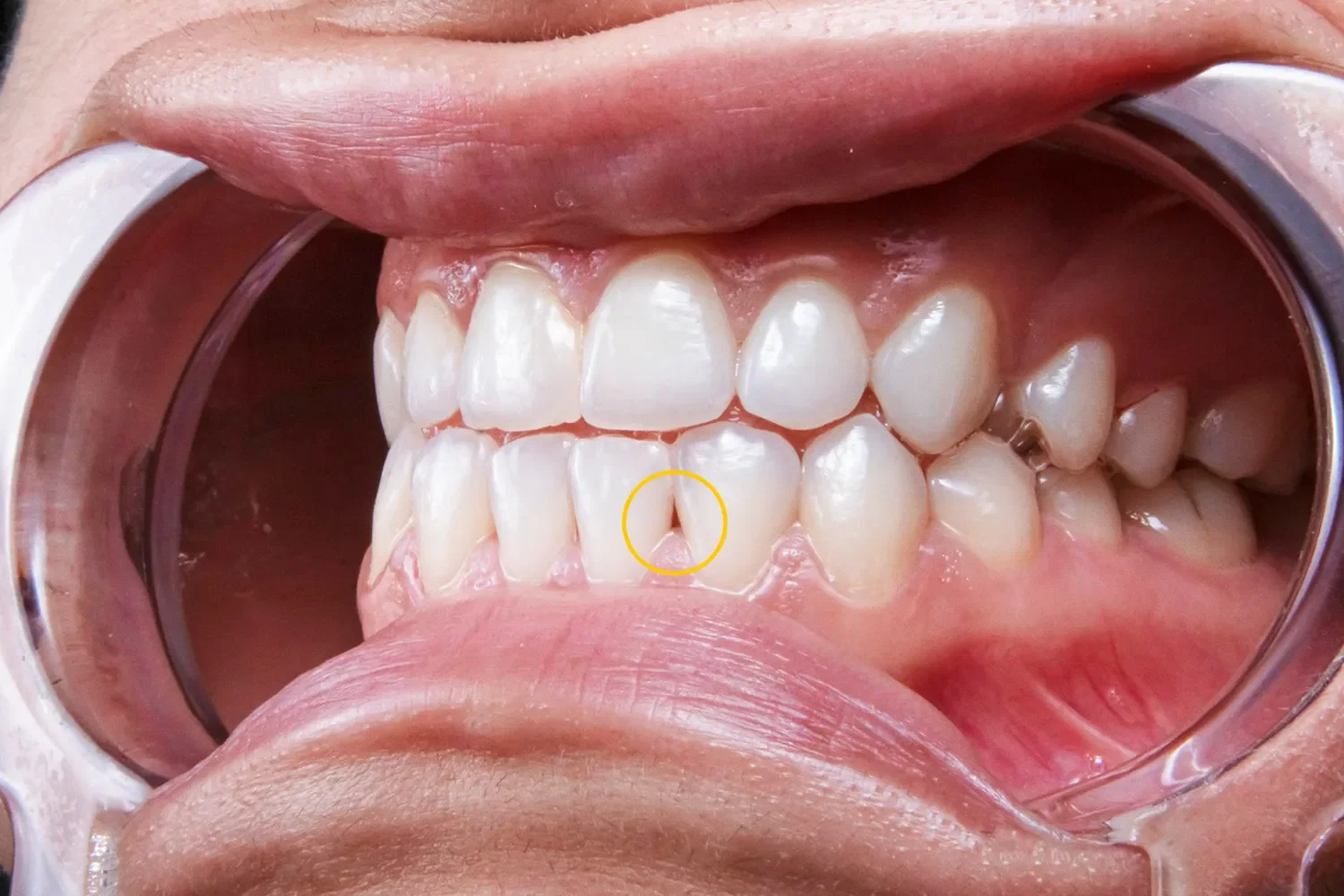
Catching a small gap forming between your teeth, right at the gumline, is a moment many of us eventually have. It usually just means your gums have receded a touch. People call them black triangles, and they tend to appear so gradually that you don't register them until food starts catching there after nearly every meal. It can feel like a strange thing to suddenly notice. But these small gaps are really just an outward sign that the bone and tissue underneath have shifted with time.
The Anatomy Behind the Gap
To understand why they form, picture the small pink tissue that normally fills the space between two teeth. That tissue functions as a natural cushion, sealing the area and keeping the sensitive roots protected. When it loses volume or begins to shrink, an empty pocket is left behind. Because the inside of the mouth is naturally dark, that pocket reads visually as a small black triangle. It's a subtle change, but one that can make a person suddenly self-conscious mid-conversation or mid-smile.
Why Gums Shift Over Time
Gum recession rarely has a single cause. It tends to be the accumulation of several small, ongoing factors, and understanding each one makes the process considerably easier to manage.
Past orthodontic treatment is another contributing factor. For those who wore braces, the way teeth were repositioned can subtly alter the bone shape beneath the gums, occasionally leaving the tissue unable to fully cover the space between roots.
Tooth shape, largely inherited, plays a role too. Some people have naturally rectangular teeth that meet along a wide, flat surface, which helps keep the gum tissue anchored in place. Others have more triangular teeth that meet only near the top edge.
When this tooth shape is paired with naturally thin gum tissue, the likelihood of visible gaps forming increases considerably.
What Happens When the Gaps Are Left Alone
Leaving these gaps unaddressed tends to create issues well beyond appearance. Given their shape, they function almost perfectly as food traps.
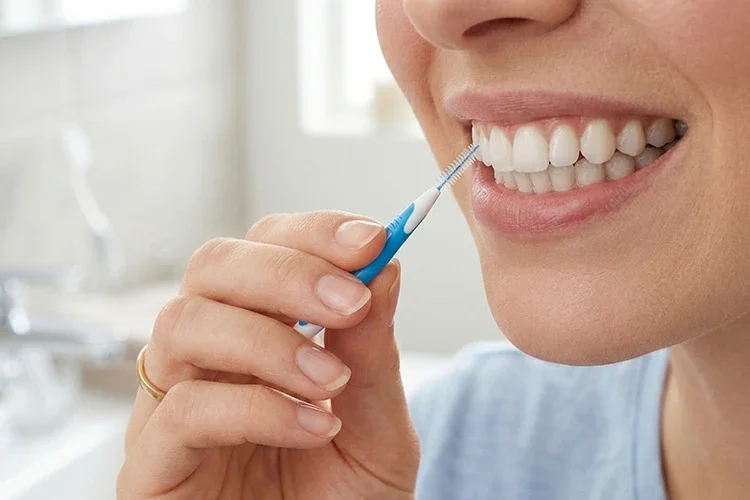
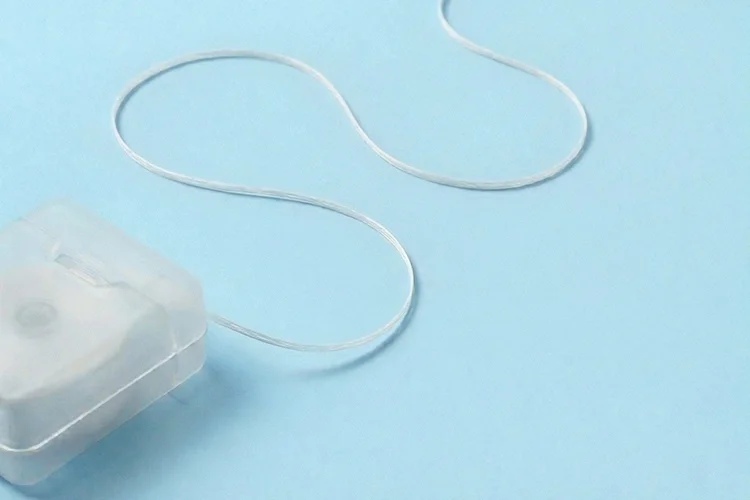
Small particles become lodged during meals, and if left there, bacteria accumulate quickly. Standard toothbrushes typically can't reach these tight spaces effectively, which is why learning to properly use an interdental brush alongside a daily dental floss routine is considered a worthwhile addition to any routine.
Once plaque settles undisturbed in these pockets, the surrounding gum tissue tends to become irritated and swollen. Some mild bleeding while brushing, or tenderness in that specific area, is a fairly common early sign. Left unaddressed over several months, this swelling can contribute to further bone loss underneath, which allows the black triangles to widen and deepen over time.
How Modern Dentistry Approaches These Gaps
There is, fortunately, a range of gentle, minimally invasive options for addressing these spaces, without resorting to anything aggressive. Contemporary dental care generally favors approaches that preserve natural enamel while still refining the smile's overall appearance.
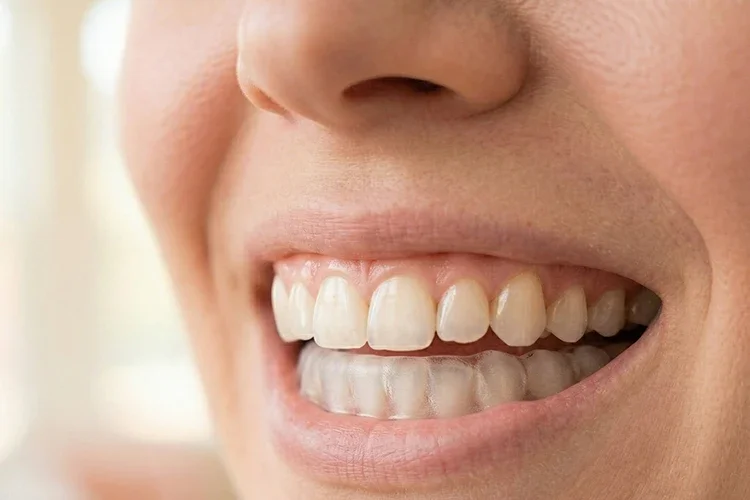
Clear aligners offer another route, gradually rotating or repositioning teeth so their flat surfaces sit closer together.
Some advanced treatments are designed to encourage the tissue itself to gradually rebuild.
One method favored by many practitioners uses thin, flexible forms to shape a smooth bonding material around the tooth, leaving no rough edges that might irritate the tongue or trap plaque. In cases where tissue loss is more widespread, custom ceramic veneers can be designed to fit over the front teeth, offering a uniform and durable finish.

Credit: Nick Fewings / Unsplash
Daily Habits Worth Maintaining
A dentist can do a great deal to restore lost tissue, certainly. But day-to-day habits are what actually preserve gum health over the long term. A few small, consistent adjustments to interdental cleaning can make a meaningful difference.
An ultra-soft bristle brush, or an electric version that signals excessive pressure, is generally considered a safer choice for protecting the gum line.
Swapping rigid wooden toothpicks for soft, rubber-coated interdental brushes allows for cleaning tight spaces without irritating the tissue.
A gentle, alcohol-free rinse used daily helps keep the area clean without causing dryness. Paying attention to understanding the right mouthwash timing specifically, can help maximize its antibacterial benefit.
When cleaning between teeth, sliding tools gently along the tooth's natural curve tends to be gentler than pressing directly down onto the gum's delicate point.
Frequently Asked Questions
-
Generally, no. In fact, as gum health improves and swelling subsides, the gap may briefly appear slightly wider. This is a normal part of the healing process, as irritated tissue returns to its firmer, natural state. Stabilizing gum health does prevent the gap from worsening further, though fully closing it typically requires a clinical option such as dental bonding.
-
Generally, no. Composite bonding is considered a conservative, low-risk option, as it doesn't require removing any natural enamel. The dentist simply cleans the surface and shapes a tooth-colored material around it, and the process is typically described as comfortable.
-
This is a common concern, though the answer is no. The pulsating water stream relies on gentle fluid movement rather than physical pressure. Maintaining cleanliness this way is, if anything, considered protective against the ongoing swelling that contributes to further recession.
Getting a Professional Opinion
Every mouth has its own particular structure, so no single approach applies universally. Consulting a dentist remains the most direct way to determine what a given case actually requires. A professional can assess bone levels and help outline a realistic, manageable plan. Consistency with gentle daily habits, paired with sound clinical guidance, tends to be the most reliable path toward a comfortable, healthy smile over time.
Sources & References
- [1] American Dental Association. "Gum Disease." ADA MouthHealthy.
- [2] WebMD Medical Reference (2023). "Receding Gums: Causes and Treatment." WebMD.
- [3] George, K., et al. (2020). "Aesthetics, Black Triangle, Interdental Papilla." Journal of Clinical and Diagnostic Research (JCDR).
- [4] Cleveland Clinic (2026). "Dental Bonding." Health Library.
- [5] Mayo Clinic (2025). "Dental Floss vs. Water Flosser: Which Is Better?" Healthy Lifestyle.
Read Next