Mastering Your Everyday Brushing Technique
At a Glance
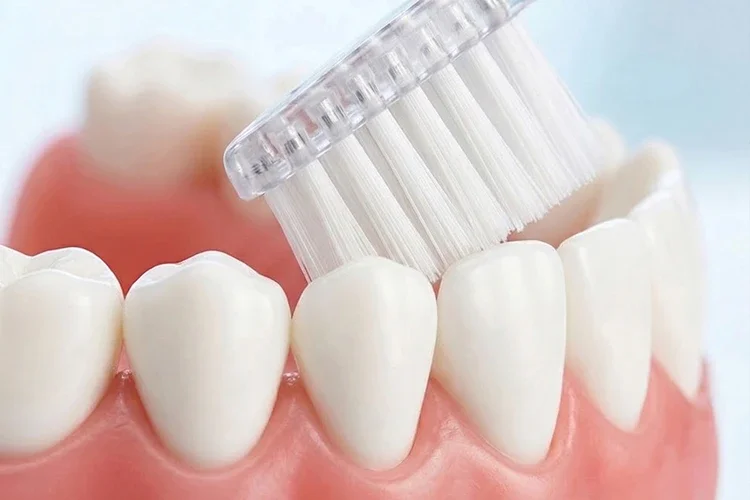
Click a point below to jump to the details.Tilt the brush at 45 degrees for plaque care. (Image: AI-generated)
Brushing your teeth every day is not just about making your mouth feel fresh; it is a precise physical task of removing dental plaque, the bacterial biofilm in your mouth.
Many people believe that scrubbing hard with a lot of pressure makes teeth cleaner, but in reality, this is the fastest way to wear down your enamel and cause gum recession.
The most cost-effective oral care is prevention through correct techniques before expensive treatments become necessary.
The Physician Who Revolutionized Oral Care
The term Bass Method, synonymous with the gold standard of brushing techniques recommended by dentists worldwide, has a fascinating origin. Interestingly, it was not developed by a dentist but by Dr. Charles C. Bass, an American physician and microbiologist.
As the former Dean of Tulane University School of Medicine, Dr. Bass became deeply intrigued by how oral microorganisms affect systemic health following his retirement.
Through microscopic research, he discovered that the root cause of gum disease was not on the tooth surface but in the bacteria living in the gingival sulcus, the narrow gap where the teeth and gums meet.
Principles of the Bass Method: Essential for Gum Health
The core of the Bass method is not placing the bristles perpendicular to the tooth surface, but tilting them at a 45-degree angle toward the gums. The point is to let the tips of the bristles slightly enter the gingival sulcus. In this position, do not scrub back and forth in large motions. Instead, apply light and short vibrations in place.
Apply fine, trembling vibrations for about 10 to 15 times per area.
These vibrations shake and loosen the plaque that is firmly attached to the gaps.
Finish by sweeping the brush toward the chewing surface to expel the loosened debris.
This technique efficiently removes plaque from the gaps while minimizing gum damage. For those who experience swollen or bleeding gums, there is no more rational self-healing method than this.
Video Credit: American Dental Association (ADA)
Rational Criteria for Choosing a Toothbrush and Toothpaste
An expensive electric toothbrush is not necessarily superior to a manual one. The key is the user's skill, not the price of the tool. When choosing a toothbrush, picking a head size that covers about two of your molars is most suitable for reaching every corner of your mouth.
For bristle stiffness, a medium brush is fine if your gums are healthy, but if you have weak gums or sensitivity, choosing soft micro-bristles is a more rational choice.
When it comes to toothpaste, focus on ingredients rather than flashy advertisements.
The Importance of Brushing Order and Blind Spots
When brushing, starting from the easiest areas often leads to neglecting difficult spots at the end. To prevent this, it is helpful to establish a fixed order for yourself. For example, start from the outside of the upper right molars, move to the left, then clean the inside surfaces before moving to the bottom.
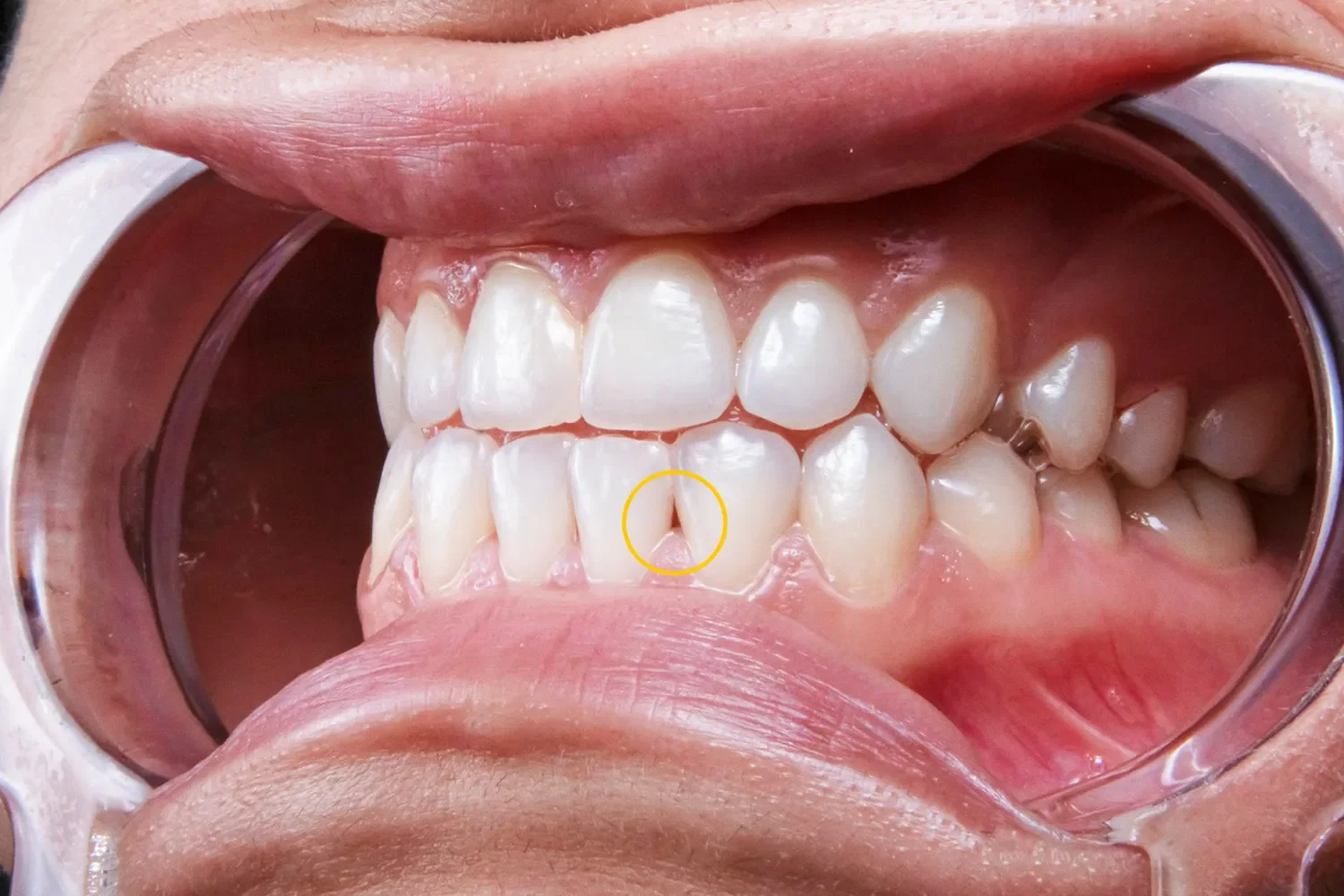
Specifically, the inside of the lower front teeth is the area most prone to tartar due to its proximity to salivary glands, so you should hold the brush vertically and clean each tooth carefully.
You should maintain a brushing time of at least 2 to 3 minutes. It is practically impossible to perfectly clean every tooth surface in a shorter amount of time. Setting a timer or listening to a short song you like is a great way to ensure you spend enough time.
Utilizing Interdental Tools as Important as Brushing
Did you know that brushing alone only removes about 60% of the plaque between your teeth? To address the remaining 40%, the use of dental floss or interdental brushes is essential. Dr. Charles Bass was also a key figure in standardizing dental floss, emphasizing its critical role in oral hygiene.
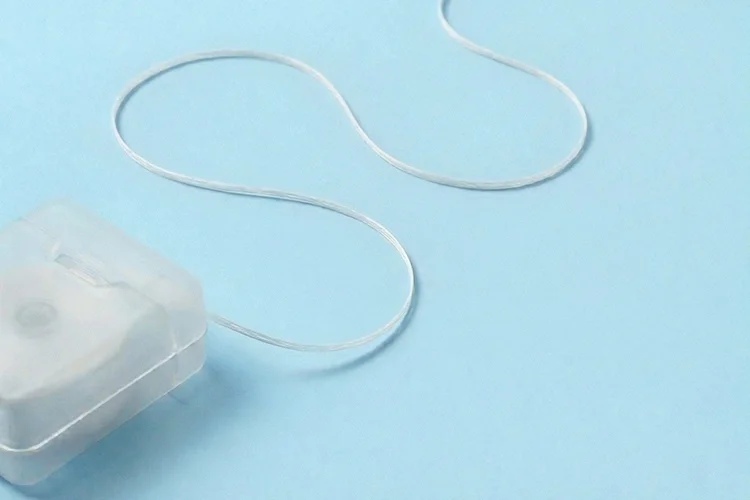
Cut about 18 inches (45 cm) of dental floss and wrap it around your middle fingers.
Gently slide it between the teeth in a sawing motion, then wrap it in a C-shape against the side of the tooth and wipe up and down.
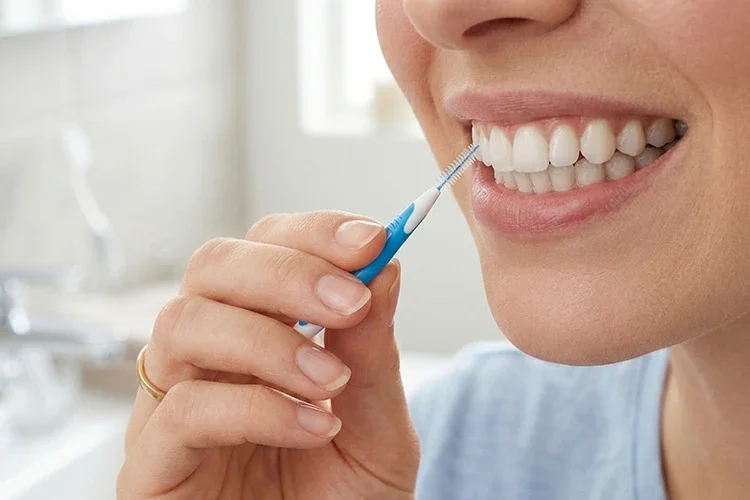
If the gaps between your teeth are wide, use an interdental brush of the appropriate size and clean within a range that does not feel forced.
Frequently Asked Questions
-
The short answer is yes, it is actually excellent. The "two-molar size" rule is a practical guideline for choosing a manual toothbrush to ensure efficient coverage. However, oscillating-rotating electric toothbrushes like Oral-B are designed for a "tooth-by-tooth" cleaning method. Their small heads are superior for navigating tight spaces and reaching the back surfaces of your last molars. As long as you spend 2–3 seconds on each tooth, allowing the brush to do the work, you are using a very rational and effective tool.
-
Bleeding during brushing is usually not caused by the technique itself but is a sign of gingivitis (gum inflammation) where the blood vessels are easily irritated by bacterial buildup. To resolve this, you actually need to use the Bass method more precisely to clear out the plaque causing the inflammation. However, ensure you aren't applying too much pressure.
The bristles should only "tickle" the gum line. If bleeding persists for more than 1–2 weeks of correct technique, the most rational step is to visit a dentist for a professional cleaning (scaling).
-
Most commercial toothpastes use percentages. Here is a quick, rational cheat sheet:
0.454% Stannous Fluoride ≈ 1,100 ppm (Great for gums and sensitivity)
0.243% Sodium Fluoride ≈ 1,100 ppm (Standard cavity protection)
0.15% w/v Fluoride Ion ≈ 1,500 ppm (High-strength protection) If you see these numbers on your label, you’re already using a high-quality product within the recommended range.
-
Actually, it’s the opposite. The goal of using high-fluoride toothpaste is to strengthen and remineralize your tooth enamel. If you rinse too many times, you wash away the active ingredients before they can bond with your teeth.
Experts recommend spitting out the excess foam and rinsing only once or twice lightly with a small amount of water (about 0.5–0.7 fl oz or 15–20 ml). While leaving a slight taste of toothpaste might feel unusual at first, it provides a much higher level of protection for your teeth.
The Technique of Rinsing and Tongue Cleaning
After brushing your teeth, use a tongue cleaner to remove the white coating on the back of your tongue, which is effective for preventing bad breath and reducing bacteria.
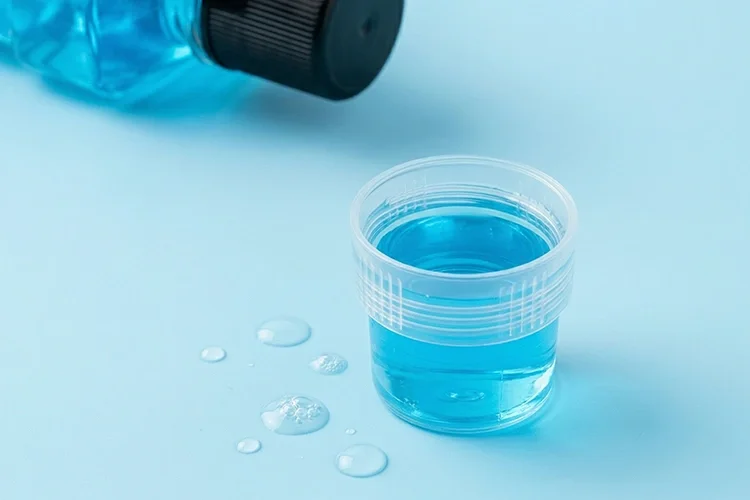
Finally, when rinsing with water, over-rinsing can wash away the fluoride, the beneficial active ingredient in toothpaste. It is more advantageous for maintaining dental health to rinse only once or twice lightly, just enough so that no toothpaste foam remains in the mouth.
Sources & References
- [1] The American Association of Immunologists (AAI). "Charles C. Bass: Country Doctor, Pioneering Parasitologist, and the 'Right Kind' of Dental Hygiene." AAI History Archive.
- [2] Walsh, T., et al. (2019). "Fluoride toothpastes of different strengths for preventing tooth decay." Cochrane Database of Systematic Reviews.
- [3] American Dental Association (ADA). "Brushing Your Teeth: A Practical Guide to Proper Oral Hygiene." American Dental Association (ADA).
Read Next