Mastering Your Everyday Mouthwash Technique
At a Glance
Click a point below to jump to the details.To ensure the active ingredients can properly shield your teeth and gums, you should avoid rinsing with water or eating for at least 30 minutes after your mouthwash routine.
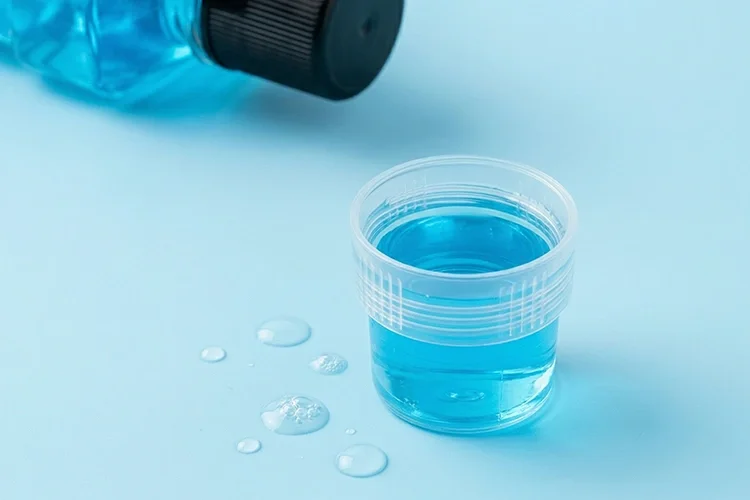
Incorporating an oral rinse into your daily routine for preventive care. (Image: AI-generated)
We often reach for mouthwash immediately after brushing to achieve that satisfyingly cool and minty finish. However, from a microbiological perspective, rinsing your mouth right away might be counterproductive to the hard work you just put into brushing. The fluoride in your toothpaste needs a specific amount of time to adhere to the enamel and strengthen your teeth. Therefore, understanding mouthwash as a strategic, independent step rather than just a final rinse is the secret to maintaining a truly healthy oral ecosystem.
The Science of the Golden Window for Fluoride Absorption
When you rinse immediately, the mouthwash washes away the highly concentrated fluoride left behind by your toothpaste before it can fully protect your teeth. Some ingredients in certain mouthwashes can even deactivate the fluoride ions, hindering the natural remineralization process. If you find it difficult to brush during the day, using mouthwash after lunch is a brilliant way to lower the acidity in your mouth and keep bacteria at bay until your next full cleaning.
How Alcohol Content Influences Dry Mouth Issues
When choosing a product, the most critical factor to consider is whether it contains alcohol. Many commercial rinses use ethanol for its strong antiseptic properties, but this can severely irritate the oral mucosa and strip away essential moisture. A dry mouth lacks the natural self-cleaning power of saliva, creating an environment where bacteria thrive and often leading to chronic bad breath.
Why You Must Resist the Urge to Rinse with Water
Many people feel the need to rinse their mouth with water after using mouthwash to get rid of the strong aftertaste. However, the active ingredients in the rinse are specifically designed to linger between your teeth and along the gum line to provide ongoing antimicrobial protection. Rinsing with water effectively removes this protective shield you just applied.
Identifying the Right Ingredients for Your Specific Needs
Your choice of mouthwash should align with your personal dental goals, so getting into the habit of checking the ingredient label is a must.
If you are dealing with gum sensitivity or early signs of gingivitis, look for products containing Cetylpyridinium Chloride (CPC) for its effective antibacterial properties.
For those focused on cavity prevention, a rinse with a high Sodium Fluoride content is excellent for hardening the tooth enamel.
If managing persistent bad breath is your goal, seek out formulas with Zinc ions that neutralize sulfur compounds rather than just masking them with fragrance.
Patients with implants or braces should prioritize gentle, low-irritation, alcohol-free formulas to ensure a safe and thorough clean.
Frequently Asked Questions
-
The stinging sensation is usually caused by high concentrations of alcohol (ethanol) rather than the active germ-killing ingredients themselves. This burning can actually irritate your oral mucosa and lead to dry mouth, which ironically promotes bacterial growth.
If you experience discomfort, switching to an alcohol-free mouthwash is a much safer and more effective choice for maintaining long-term oral health without unnecessary irritation.
-
Mouthwash is formulated to leave behind active ingredients, such as fluoride or antimicrobial agents, that continue to protect your teeth and gums long after you spit. Rinsing with water immediately after use washes away this protective shield before it has time to bond with your enamel. To maximize the benefits, you should avoid water, food, or drinks for at least 30 minutes to allow the formula to fully penetrate and shield your oral surfaces.
-
While mouthwash cannot physically remove plaque as effectively as flossing or brushing, it is an excellent "bridge" treatment when you're on the go.
Using mouthwash after a meal rapidly neutralizes the acid levels (pH) in your mouth and inhibits the immediate activity of decay-causing bacteria. If brushing isn't an option, a quick rinse serves as a vital first line of defense until you can perform a thorough mechanical cleaning.
The Connection Between Oral Microbiome and Systemic Health
Instead of relying on harsh, indiscriminate sanitizers, it is important to adopt a mouthwash habit that selectively controls harmful bacteria while protecting the beneficial flora. When used at the correct time, mouthwash acts as a powerful shield that reaches the "blind spots" where floss and brushes might miss. By simply shifting your mouthwash routine to 30 minutes after brushing, you can complete the circle of protection.
Remember, a strategic rinse can never fully substitute the physical removal of dental plaque. This removal relies entirely on your foundational habit which centers on practicing the proper Bass Method for everyday brushing to ensure a truly clean surface.
Sources & References
- [1] NHS (National Health Service). "How to keep your teeth clean: Don't use mouthwash straight after brushing." NHS.
- [2] American Dental Association (ADA). "Mouthrinse (Mouthwash): Clinical Considerations and Alcohol Content." American Dental Association (ADA).
- [3] Mayo Clinic. "Sodium Fluoride (Oral Route, Dental Route): Proper Use and Precautions." Mayo Clinic.
- [4] Nayak, S. C., Latha, P. B., et al. (2025). "The Role of Oral Microbiome in Systemic Health: A Review." Cureus / PMC.
Read Next