Mastering Your Everyday Dental Floss Technique
At a Glance
Click a point below to jump to the details.Flossing daily for lasting oral health and confidence. (Image: AI-generated)
Brushing your teeth twice a day is a fantastic habit, but from the perspective of the hidden bacteria in your mouth, brushing alone is an incomplete task, leaving your oral care just a few steps short of the finish line.
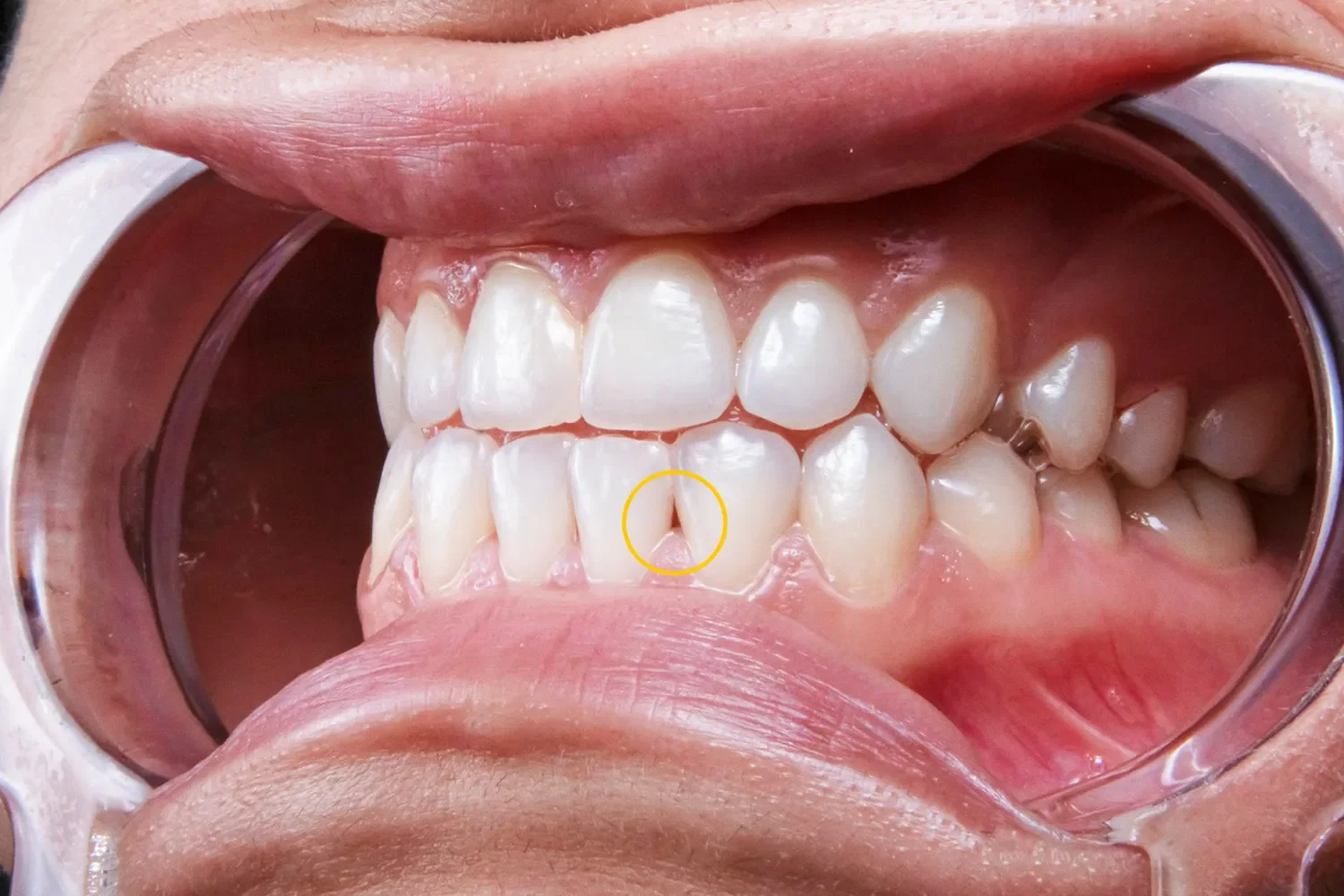
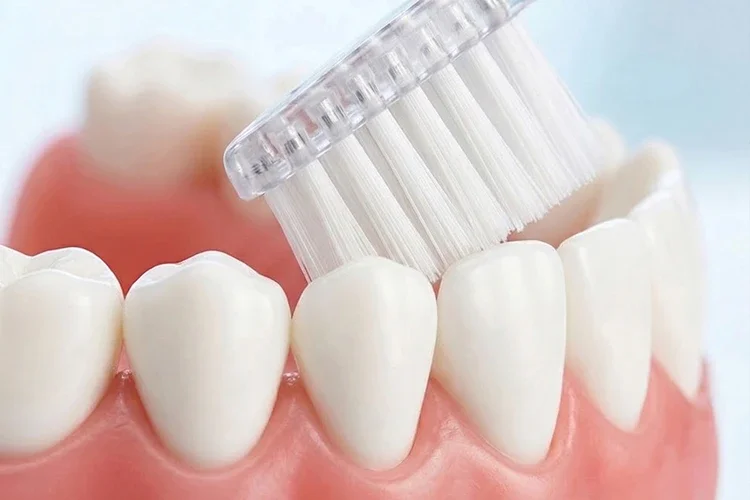
The bristles of even the most advanced toothbrush struggle to reach the tight spaces between your teeth, known as interproximal areas. These "blind spots" account for approximately 40% of your tooth surfaces.
If you neglect these gaps, food debris and bacteria calcify into tartar, leading to proximal cavities and periodontal disease. This is why Dr. Charles Bass, the pioneer of modern oral hygiene, emphasized that flossing is not an "extra" step—it is a fundamental requirement for systemic health.
Mastering the Professional Flossing Technique
To floss effectively without damaging your delicate gum tissue, you must follow a methodical approach. It is not about snapping the string between your teeth; it is about mechanical friction and thorough debridement.
Video Credit: Kalaheo Dental Group
1. The 18-Inch Rule for Hygiene
Start by pulling out about 18 inches (45 cm) of dental floss. While this may seem excessive, it is strategically necessary. Wrap most of the floss around your middle fingers, leaving about 1 to 2 inches (2.5 to 5 cm) of string to work with.
Using a long piece allows you to shift to a clean section of floss for every single tooth, preventing the transfer of bacteria from one gap to another.
2. The Gentle "Sawing" Entry
Never snap the floss directly into your gums, as this can cause "floss trauma" or recession. Instead, use a gentle back-and-forth sawing motion to guide the floss through the contact point where the teeth meet.
3. The Crucial "C-Shape" Wrap
Once the floss reaches the gum line, gently curve it into a C-shape against the side of the tooth and slide it into the narrow space between the tooth and gum, known as the gingival sulcus.
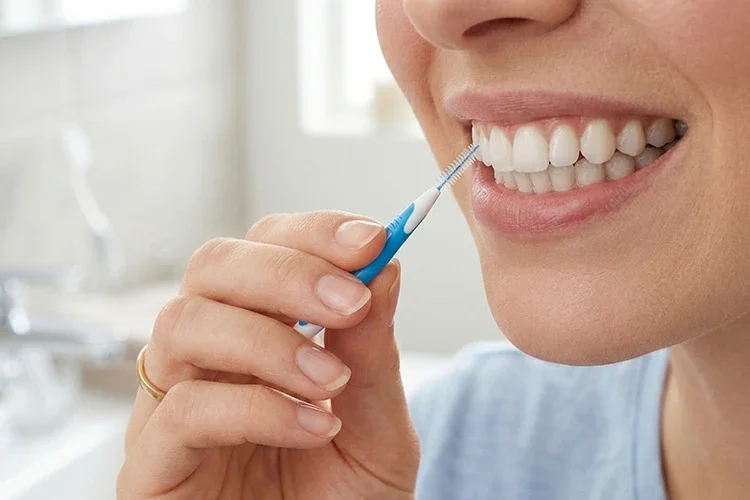
To clean effectively, move the floss up and down against the tooth surface about five to six times. This motion is crucial because you are physically scraping away the biofilm—that stubborn plaque that sticks to your teeth like invisible glue. However, if you have wider gaps or concave indentations on your molars, string floss might bridge over these dips, meaning you should pair it with the clinically proven cleaning efficiency of an interdental brush for complete structural debridement.
Why Do My Gums Bleed?
Many people stop flossing the moment they see blood, but it is important to know that the floss itself is rarely the culprit. In the dental world, bleeding is actually a clear clinical sign of gingivitis, which is an early stage of gum disease caused by plaque buildup that leaves your gums inflamed and sensitive.
While it might feel counterintuitive, the best way to resolve this is to floss more consistently. If you stick with a proper daily routine for about a week or two, the inflammation will naturally subside as your gum tissue firms up and the bleeding stops for good.
Essential Tips for Long-Term Success
To make flossing a sustainable part of your lifestyle, you might want to consider a few practical adjustments.
Ideally, you should floss at least once a day, and right before bed is the best time since it prevents bacteria from sitting between your teeth for eight hours while you sleep.
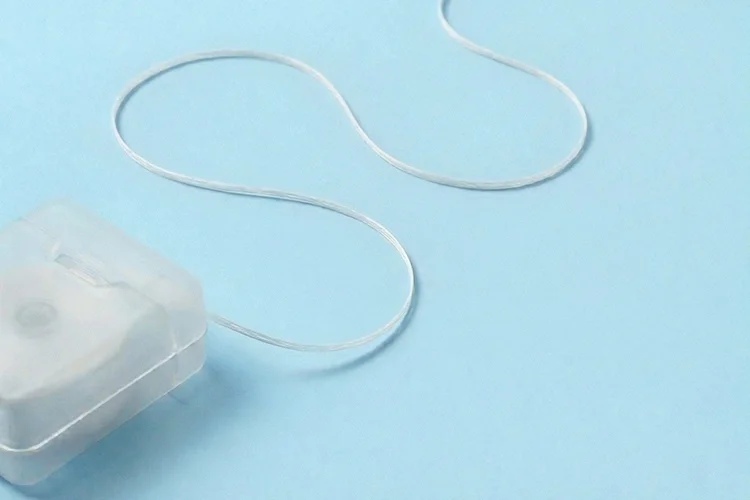
If you have tight spaces between your teeth, using a waxed or monofilament floss like PTFE can make for a much smoother glide.
For those who find manual flossing a bit tricky, a floss handle or a high-quality interdental brush can be a great way to keep your routine consistent without the extra struggle.
Frequently Asked Questions
-
Most dental professionals recommend flossing before you brush. This dislodges food particles and plaque from between the teeth first, allowing the fluoride in your toothpaste to reach those hidden areas more effectively while you brush.
-
A water flosser is a great supplemental tool, especially if you have braces or bridges. However, traditional string floss is still the gold standard for physically scraping away the sticky biofilm (plaque) that water pressure alone might not fully remove.
-
If your floss shreds, you may have a sharp dental filling or a tight contact point. Try using a "monofilament" floss made of PTFE, which is designed to glide smoothly through even the tightest gaps without fraying.
Beyond Hygiene, Towards Systemic Health
Mastering your everyday flossing technique is more than just a chore. It is a profound commitment to your long-term health. Remember that the mouth is the gateway to the rest of your body, and maintaining a healthy gingival environment can have positive ripples throughout your entire system.
It may feel tedious at first, but once you experience the refreshing "true clean" of a properly flossed mouth, it becomes an indispensable part of your day. Start with the C-shape today, and your smile will thank you for decades to come.
Sources & References
- [1] Kalaheo Dental Group. "Flossing 101: A Simple Guide to Perfecting Your Technique (Video Tutorial)." Kalaheo Dental Group.
- [2] American Dental Association (ADA). "Flossing: How to Floss Properly and the Best Techniques." American Dental Association (ADA).
- [3] Mazhari, F., et al. (2018). "The effect of toothbrushing and flossing sequence on interdental plaque reduction and fluoride retention." Journal of Periodontology.
- [4] American Academy of Periodontology (AAP). "Gum Disease and Other Diseases: The Oral-Systemic Connection." American Academy of Periodontology (AAP).
Read Next