Do I Need an Interdental Brush if I Already Floss?
At a Glance
Click a point below to jump to the details.Elevating oral hygiene with interdental precision. (Image: AI-generated)
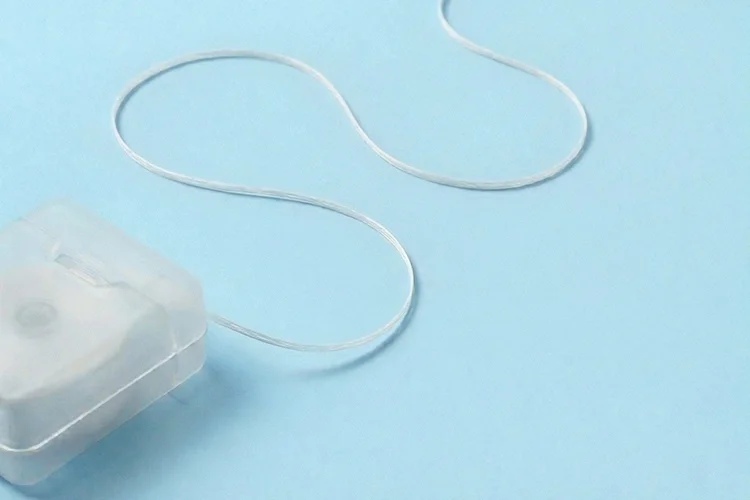
Maintaining a daily flossing habit is an excellent foundation for oral health. However, many people find it frustrating when they receive warnings about gum inflammation or tartar buildup despite their diligence. Why isn't flossing alone providing complete protection? The answer lies in the complex, three-dimensional structure of your teeth.
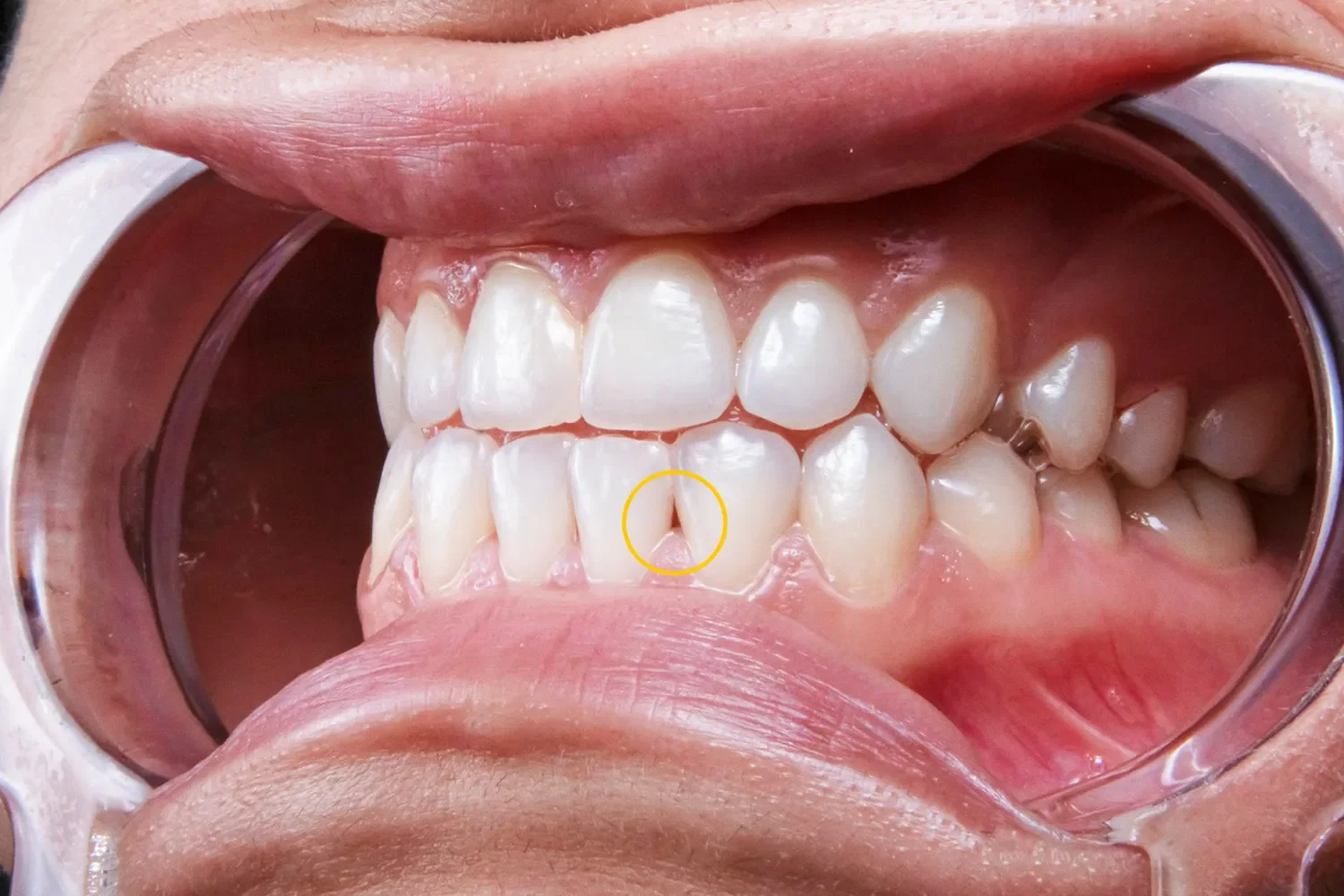
Floss is highly effective at passing through the tight contact points where teeth touch. But the anatomy changes as you move closer to the gum line. Molars, in particular, often have concave indentations (small inward curves) on their lateral sides. Because dental floss is a straight string under tension, it tends to bridge over these dips, leaving sticky plaque untouched. This is where the precision of an interdental brush becomes essential.
Do Interdental Brushes Manually Widen Gaps?
One of the most common reasons people avoid interdental brushes is the fear that they will physically push the teeth apart.
It is important to clarify that correct use of an interdental brush does not have the mechanical force required to move teeth or wear down bone. The visual changes people notice are actually signs of your body’s natural healing process.
When gum disease is present, the tissue often becomes red and swollen, artificially filling the voids between teeth. By using an interdental brush to clear away debris, you allow the inflammation to subside. As the gums regain their firm, healthy state, they contract to their original position, revealing the natural spaces that were previously hidden by swelling. Choosing to ignore these areas can lead to permanent bone loss, so addressing the inflammation now is vital.
Finding the Correct Specification for Your Anatomy
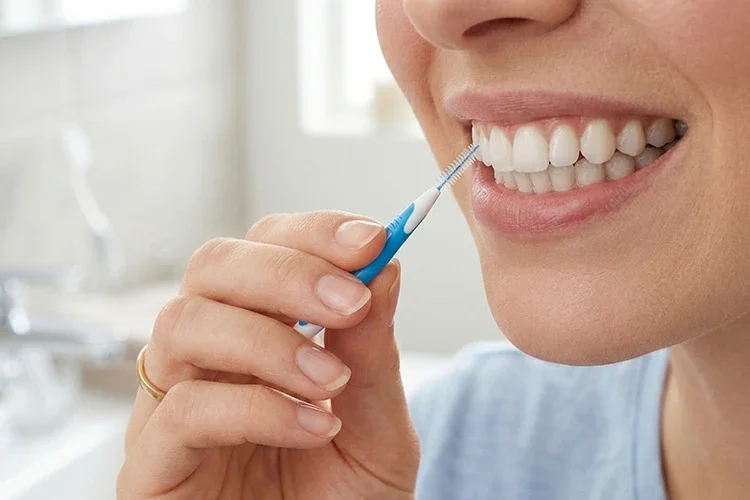
You don't need to use the same tool for every gap in your mouth. Efficiency comes from matching the tool to the specific site. Brushes are available in a vast range of sizes, from a ultra-fine 0.016 inch (0.4 mm) to wider 0.031 inch (0.8 mm) models.
Finding the right specification for your needs might seem tedious at first, but once your routine is set, you will notice a significant increase in the effectiveness of your oral maintenance.
Start with the smallest size and identify which spaces it can navigate without resistance.
Continue using floss for very tight contacts between front teeth, while reserving interdental brushes for the larger spaces between molars.
You should feel a slight, snug friction, but if you have to force the brush or feel acute pain, you need to move down to a smaller size.
If you are unsure which size to choose, a professional consultation can provide the exact measurements for your unique oral structure. Once you master the correct entry angle, you can achieve a nearly perfect clean without irritating the gum tissue.
Synergy Between Advanced Dental Tools
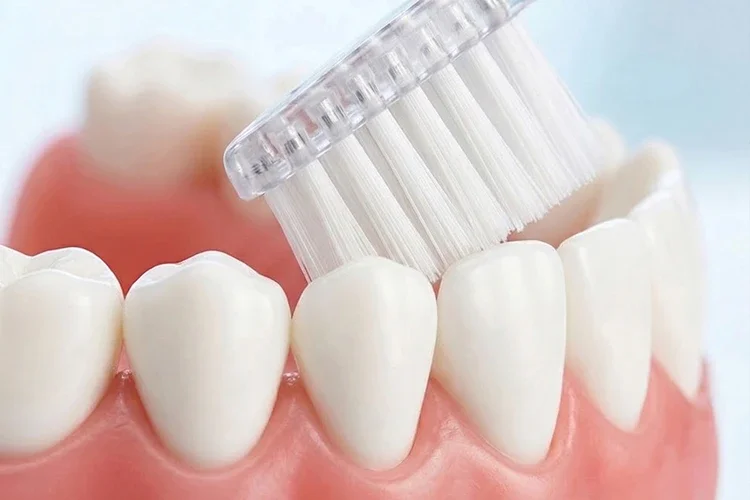
Modern hygiene is most effective when multiple tools work together. Many individuals now combine electric toothbrushes with interdental brushes. While the electric toothbrush manages the broad surfaces and the gum line, the interdental brush acts as a specialized tool for the narrow "alleys" where plaque thrives. This combination reaches a level of cleanliness that manual brushing alone cannot match.
On days when your gums feel particularly sensitive, a hybrid approach using a water flosser and an interdental brush can be a smart strategy. Water flossers are excellent at flushing out loose debris, while the interdental brush is superior at physically scrubbing away sticky biofilm. Adapting your toolkit to your current gum condition ensures a sustainable, long-term routine.
The Link Between Gum Health and Systemic Well-being
Maintaining the spaces between your teeth is about more than just avoiding cavities.
By managing minor swelling or bleeding with an interdental brush, you are supporting your body's broader defense systems.
Ultimately, the interdental brush is not a cause of teeth drifting. Instead, it serves as the most effective defense against the conditions that allow teeth to shift. When gums and bones are healthy, they provide a stable foundation.
Keep in mind that a stable foundation can also be silently destroyed at night by extreme mechanical pressure, so it is vital to check if you have physical signs of teeth grinding and jaw tension during sleep to protect your natural oral architecture.
Protecting that foundation today prevents the structural breakdown that causes significant spacing later in life. Focus on addressing the inflammation below the surface rather than worrying about the natural spaces you see.
Frequently Asked Questions
-
Not necessarily. Initial bleeding is often a sign of existing inflammation (gingivitis) due to accumulated plaque. In most cases, if you continue to use the brush gently and consistently, the bleeding will subside within 1–2 weeks as your gums become firmer and healthier. However, if the bleeding is heavy or accompanied by sharp pain, consult your dentist to ensure you are using the correct size or technique.
-
For optimal hygiene and effectiveness, replace the brush every 7 to 10 days, or as soon as the bristles become frayed or the wire feels weakened. Using a worn-out brush reduces its ability to remove plaque effectively and can potentially irritate your gums. Always rinse it thoroughly and let it air dry after each use to prevent bacterial growth.
-
Most dental professionals recommend using interdental tools before regular brushing. By clearing the debris between your teeth first, the fluoride in your toothpaste can reach those hidden surfaces more effectively during your main brushing session. However, the most important factor is consistency—incorporating it into your nightly routine is far more vital than the specific order.
Consistency Over Time: The Three-Minute Habit
It is normal to experience minor bleeding when you first introduce an interdental brush. This is a clear signal that the tissue in those neglected areas is currently sensitive. Within a few days of gentle, consistent use, the tissue will become firmer, the bleeding will stop, and you will notice a distinct improvement in the freshness of your mouth.
Rinse your brush after each use and store it in a dry, ventilated area. Replace the tool as soon as the bristles fray or the wire becomes distorted—typically every 7 to 10 days.
The small investment of effort you make tonight is the most reliable way to ensure your smile remains functional and resilient for decades to come. The interdental brush is a vital tool that extends the life of your natural hardware.
Start with a size that feels comfortable, and your gums will respond with improved health and stability.
Sources & References
- [1] Cochrane Library (2018). "Interdental cleaning devices for the prevention and control of periodontal diseases and dental caries." Cochrane Library.
- [2] Mayo Clinic. "Oral health: A window to your overall health." Mayo Clinic.
- [3] Colgate Professional. "The importance of interdental cleaning." Colgate Professional.
Read Next