Signs You Are Grinding Your Teeth and How a Night Guard Helps
At a Glance
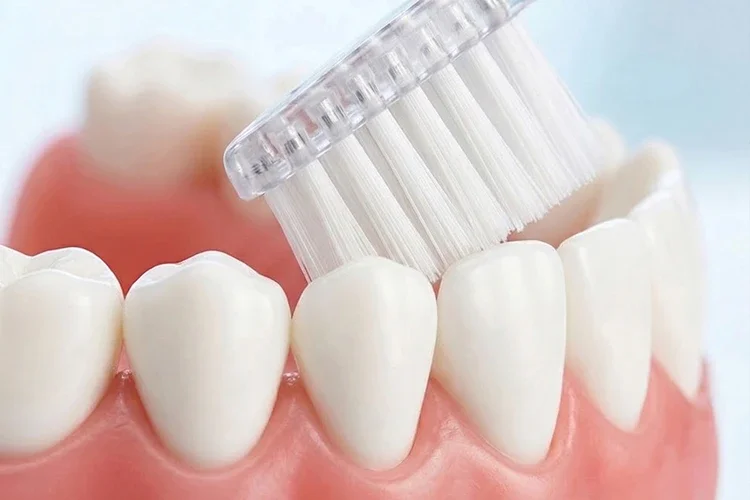
Click a point below to jump to the details.Protecting enamel with a professional night guard. (Image: AI-generated)
Many people wake up with a heavy sensation in their jaw or a dull headache near their temples, even after a full night’s rest. It is easy to dismiss this as simply sleeping in an awkward position, but it is often a warning sign from your body.
The pressure generated during nocturnal grinding is several times stronger than the force used during normal chewing.
A One-Minute Self-Audit in Front of the Mirror
Before heading to a specialist, take a minute to audit your oral health in the mirror. Look for these specific physical signs that indicate your "system" is under too much pressure at night:
Flattened or Polished Tooth Edges
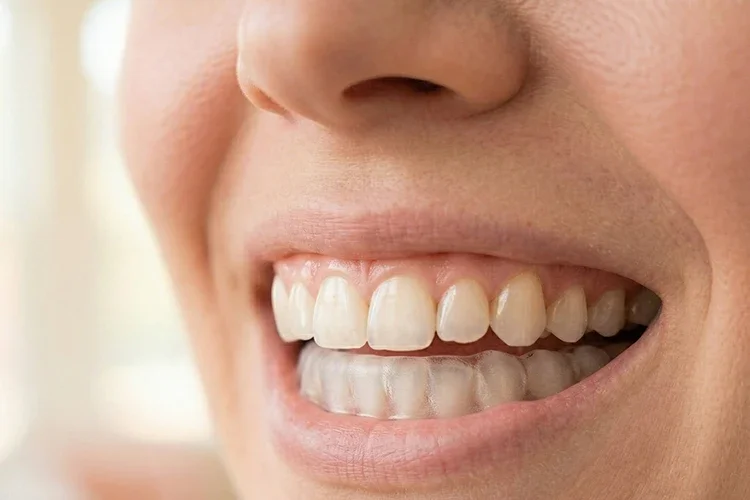
Examine the tips of your canines and incisors. These teeth should naturally have some texture or pointed shapes. If the edges appear flat or unnaturally smooth—as if they have been sanded down—it is a strong indicator that you need to find a way to stop grinding teeth at night.
White Lines Inside the Cheeks (Linea Alba)
Open wide and check the inner lining of your cheeks. If you see a raised white line running horizontally where your teeth meet, it is a sign of chronic clenching. Known as linea alba, this occurs when the cheek tissue is persistently pressed and friction-locked against the teeth for hours.
Scalloped Tongue Borders
Check the sides of your tongue. If it appears wavy or has indentations like a seashell, your tongue is being pushed forcefully against your teeth due to intense jaw tension. This is a common byproduct of a high-pressure nocturnal "workout."
Bony Bumps Along the Gums (Tori)
Feel the gums below your molars with your finger. If you notice hard, bony protrusions from the jawbone, this is your body's way of reinforcing the skeletal structure against extreme pressure. These growths, called tori, are classic markers of long-term grinders.
If you recognize more than two of these signs, it is time to move beyond observation. Understanding the prevention of tooth wear from stress protocols is the first step to saving your smile.
Why a Night Guard is Better Than Any Dental Insurance
If you've been wondering, "Does a night guard help with jaw pain?", the answer is a definitive yes. Its true purpose is to prevent tooth fractures and distribute the pressure away from the jaw joint.
Teeth are like high-precision components that do not regenerate. If you wait until your teeth are so worn down that the nerves are exposed, the complexity of the repair will be massive. A night guard acts as a protective bumper, sacrificing its own material to save your natural teeth. Searching for the best night guard for teeth grinding now can save you thousands in future dental bills.
Prevents Tooth Fractures
It protects against micro-cracks in molars, delaying the need for invasive procedures like implants.
Jaw Joint Protection
It redistributes pressure to reduce inflammation and pain in the TMJ (temporomandibular joint).
Muscle Tension Relief
It lowers the fatigue of the chewing muscles, significantly reducing morning tension headaches.
The Critical Difference Between Custom Guards and Cheap Alternatives
You may have seen boil-and-bite mouthguards sold cheaply at drugstores or online. While accessible, these soft-type devices should be used with caution. When a soft object is placed in the mouth, the brain often responds by instinctively chewing harder, much like chewing gum. This can actually aggravate the grinding habit and put more strain on the jaw.
On the other hand, a hard-type custom night guard, made from a precise impression of your teeth, is designed to fit your specific bite and jaw alignment. The durable material discourages the brain from clenching and helps the jaw sit in its most relaxed position. While it may take a few nights to adjust to the sensation, it is the most reliable piece of protective gear for your dental health.
Frequently Asked Questions
-
It is never too late, but it is urgent. While a night guard cannot regenerate lost enamel, its primary role is to halt further destruction. If your enamel is already thin, the softer dentin underneath will wear away seven times faster. Wearing a custom-fitted hard night guard now is the only way to prevent your teeth from reaching the point of nerve exposure or total structural failure.
-
It is usually not recommended for chronic grinding. Soft guards can actually trigger a "chewing reflex," encouraging your brain to bite down even harder—much like chewing gum. This increased muscle activity can worsen jaw pain. For long-term dental protection, a custom-fitted hard acrylic guard is the gold standard because it provides a slick surface that allows your teeth to glide without locking or clenching.
-
On average, a professional-grade hard night guard lasts between 2 to 5 years, depending on the intensity of your grinding. Because it is made of durable, medical-grade materials, it is designed to sacrifice itself—wearing down over time so your natural teeth don't have to. Think of it as a replaceable brake pad for your mouth; it’s much cheaper to replace a guard than to reconstruct a worn-down smile.
Your Teeth Deserve Proactive Maintenance
Take a moment tomorrow morning to check your symptoms using the methods discussed today. If you see any signs of wear, consult a professional to discuss a customized protection plan. It is a small step that ensures your smile stays resilient for a lifetime.
Sources & References
- [1] Journal of Sleep Research (2016) "Associations between sleep bruxism and psychosocial factors in adults" Peer-Reviewed Research - Stress & Teeth Grinding Link
- [2] Journal of Oral Rehabilitation (2018) "International consensus on the assessment of bruxism: Report of a work in progress" Clinical Guidelines - Definition and Diagnostic Criteria
- [3] Clinical Oral Investigations (2017) "Prevalence of sleep bruxism in adults: A systematic review of the literature" Scientific Review - Prevalence and Self-Report Accuracy
- [4] Journal of Oral Rehabilitation (2019) "The effectiveness of occlusal splints on sleep bruxism: A systematic review" Clinical Research - Night Guard Efficacy for Jaw Protection
- [5] The TMJ Association (TMD.org) "Bruxism: Diagnosis and Related Jaw Conditions" Health Organization Guidance - TMJ & Clenching Management
Disclaimer: This content is for informational purposes only. Always seek professional medical advice. Some imagery is AI-generated for educational clarity. Copyright © 2026 TheWellnessExaminer. All rights reserved.