At a Glance
- That achy jaw you wake up with isn't nothing. Nighttime grinding can push up to 250 lbs of pressure against your teeth, and enamel worn down that way never grows back.
- A quick one-minute mirror check can catch early warning signs, flattened tooth edges, a rippled tongue border, small bony bumps along the gums, well before they turn into real damage.
- Since enamel can't repair itself once it's gone, a custom-fitted hard night guard is considered one of the most dependable ways to protect your smile and skip pricier dental repairs down the road.
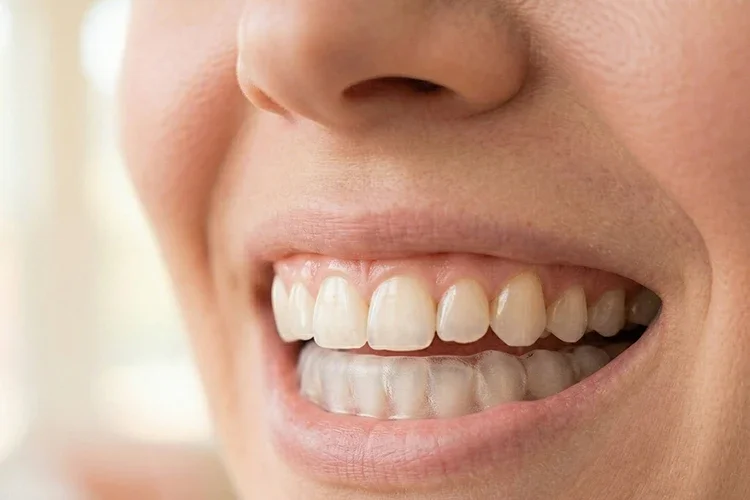
Protecting enamel with a professional night guard. (Image: AI-generated)
A tight jaw in the morning isn't nothing. Neither is a dull ache near your temples that lingers past breakfast.
It's easy to write this off as just a rough night's sleep. More often, it's bruxism, teeth grinding that happens while you're asleep, largely out of your control.
What we do know is the mechanics. The pressure generated during nighttime grinding runs several times stronger than normal chewing, and for an average adult male, it can climb past 250 lbs (about 113 kg). That's an unplanned, unconscious workout for your jaw, every night, whether you agree to it or not. Keep it up long enough, and even strong teeth start to show it.
The One-Minute Mirror Check
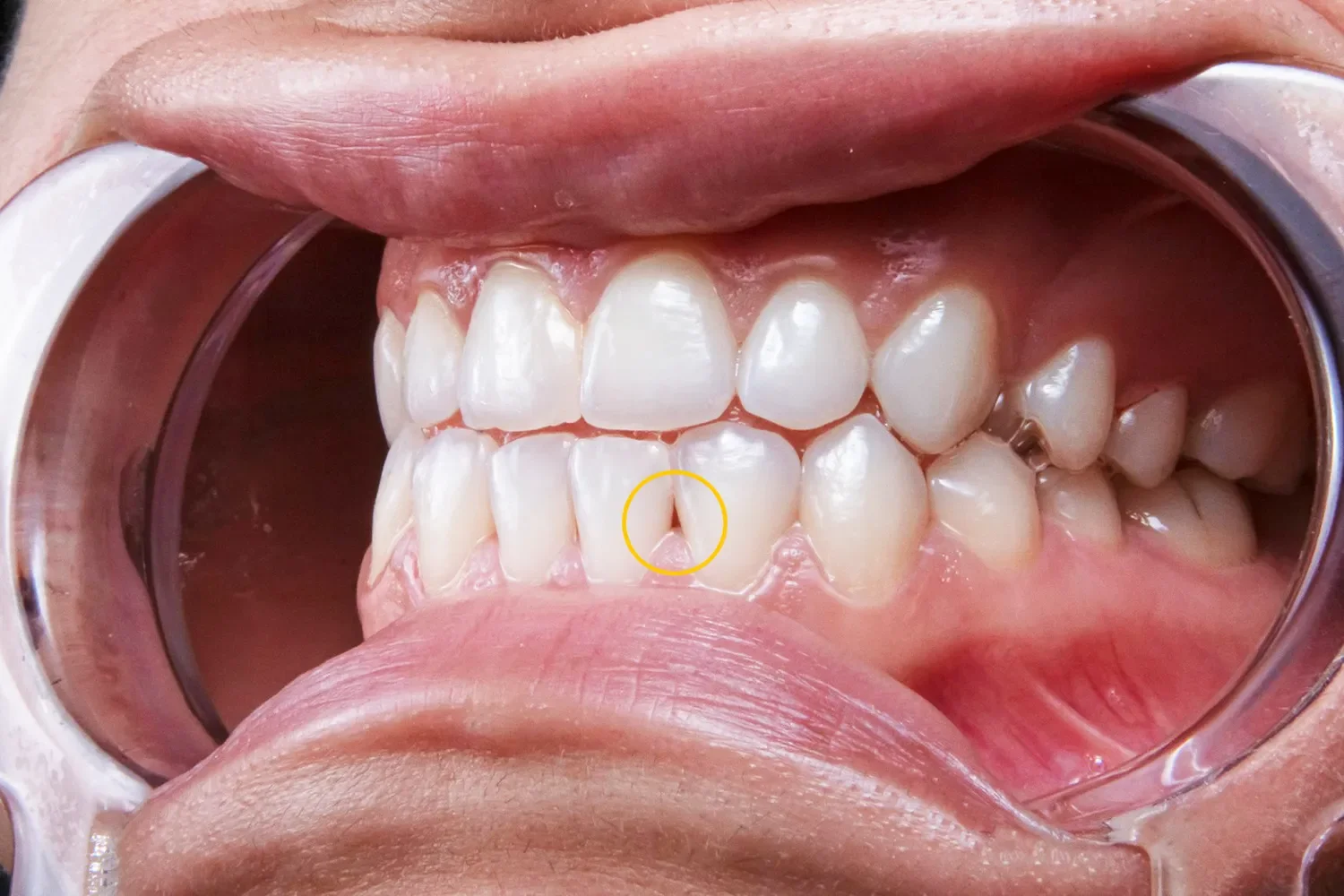
Flattened or Polished Tooth Edges
Look closely at your canines and front teeth. They should have some natural texture or a slight point. If the edges look flat or oddly smooth, almost sanded down, that's a strong sign of nightly grinding.
White Lines Inside the Cheeks (Linea Alba)
Open your mouth and check the inside of your cheeks. A raised white line running where your teeth meet, known as linea alba, points to chronic clenching. It forms when the cheek tissue gets pressed and rubbed against the teeth for hours at a stretch.
Scalloped Tongue Borders
Check the edges of your tongue next. A wavy, scalloped border means your tongue is being pushed against your teeth under real pressure, a common side effect of a tense jaw overnight.
Bony Bumps Along the Gums (Tori)
If two or more of these sound familiar, it's worth moving past a mirror check and talking to a dentist about a protection plan.
What a Night Guard Actually Protects
You can't out-willpower this one. Bruxism happens while you're asleep, well outside your conscious control, which is exactly why a night guard (also called an occlusal splint) tends to be the more realistic long-term fix.
That distinction matters. Teeth don't regenerate once they're worn down, so if you wait until the damage exposes a nerve, the repair gets complicated and expensive fast. A night guard works like a sacrificial layer. It takes the wear so your natural teeth don't have to. In the long run, that's a lot cheaper than the alternative.
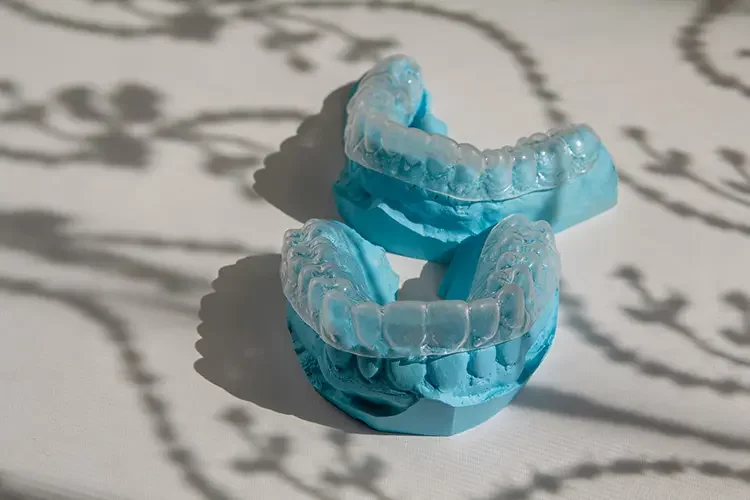
A custom night guard, molded from an exact impression of the teeth. Credit: Ozkan Guner / Unsplash
Prevents Tooth Fractures
Guards against micro-cracks in the molars, the kind that eventually call for a filling, a crown, or worse.
Jaw Joint Protection
Muscle Tension Relief
Takes some of the workload off your chewing muscles, which is often exactly why morning tension headaches ease up too.
Custom Guards vs. Store-Bought Guards
Boil-and-bite mouthguards are everywhere. Drugstores, sporting goods stores, online for under $20. They're accessible, but they come with a catch. A soft material in your mouth can trigger the brain to bite down harder, almost like chewing gum, which can end up feeding the grinding habit rather than protecting against it.
A hard, custom-fitted guard works differently. It's molded from an actual impression of your teeth, so it matches your bite and jaw alignment instead of fighting against it. The firmer material discourages that clenching reflex and helps your jaw settle into a more relaxed resting position. It can take a few nights to get used to the feel, but for long-term protection, it tends to be the more dependable option.
Frequently Asked Questions
-
It's not too late, but there's real urgency here. A night guard can't bring back enamel that's already gone, but its main job is halting more damage. Once enamel wears thin, the softer dentin underneath breaks down much faster, so buying time matters. A custom-fitted hard night guard is one of the most effective ways to protect what's left of your teeth before you're looking at nerve exposure or a bigger structural problem.[4]
-
Not usually, no, at least not for chronic grinding. Soft guards can trigger what's sometimes called a chewing reflex, where your brain responds by biting down even harder, similar to chewing gum. That extra muscle activity can end up worsening jaw pain instead of easing it. For long-term protection, a custom-fitted hard acrylic guard is generally considered the better standard. Its slicker surface lets your teeth glide instead of locking into place.
-
A professional-grade hard night guard typically lasts 2 to 5 years, depending on how intensely you grind. It's made from durable, medical-grade material designed to wear down first, protecting your natural teeth in the process. Think of it as a replaceable brake pad for your mouth. Replacing a guard every so often is a lot cheaper than rebuilding a worn-down smile.
Your Teeth Deserve Proactive Maintenance
Protecting what you have now beats trying to fix it later. Left alone, grinding tends to get worse over time, not better, and the jaw problems that come with it don't stay small.
Take a minute tomorrow morning to run through the checks in this guide. If anything sounds familiar, bring it up with a dentist and talk through a protection plan that fits your bite. It's a small step, and it's one that keeps your smile intact for a long time to come.
Sources & References
- [1] Manfredini, D., & Lobbezoo, F. (2009). "Role of Psychosocial Factors in the Etiology of Bruxism." Journal of Orofacial Pain, 23(2), 153–166.
- [2] Lobbezoo, F., et al. (2018). "International Consensus on the Assessment of Bruxism: Report of a Work in Progress." Journal of Oral Rehabilitation, 45(11), 837–844.
- [3] Bertazzo-Silveira, E., et al. (2017). "Association Between Signs and Symptoms of Bruxism and Presence of Tori: A Systematic Review." Clinical Oral Investigations, 21(9), 2789–2799.
- [4] Macedo, C. R., et al. (2007). "Occlusal Splints for Treating Sleep Bruxism (Tooth Grinding)." Cochrane Database of Systematic Reviews, Issue 4, Art. No. CD005514.
- [5] The TMJ Association (n.d.). "Bruxism: Diagnosis and Related Jaw Conditions." The TMJ Association (TMJ.org).
Read Next