Mouth Taping for Better Sleep: Benefits, Risks, and What Science Really Says
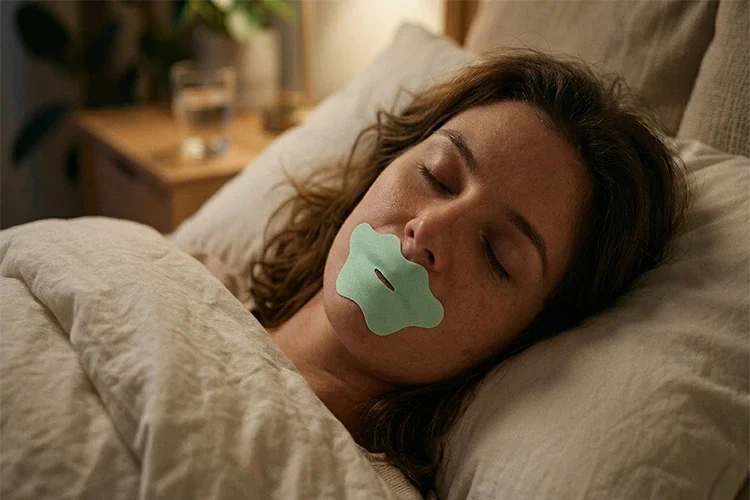
Improve your sleep quality and morning energy by mastering natural nasal breathing habits. (Image: AI-generated)
When we think of better sleep, the image that comes to mind is usually a fancy tracker or a white noise machine, not a strip of tape. But mouth taping is one low-tech trend that keeps showing up across sleep-focused corners of the internet.
It sounds like an unusual routine, but the idea behind it is grounded in basic physiology, not hype. It comes down to one simple variable, whether you default to breathing through your nose or your mouth while you sleep.
The Hidden Perks of Nasal Breathing
Your nose does more than let air in and out, it functions as a built-in filtration and conditioning system. Nasal passages trap dust and allergens while warming and humidifying incoming air before it reaches your lungs, jobs your mouth was never built to do.
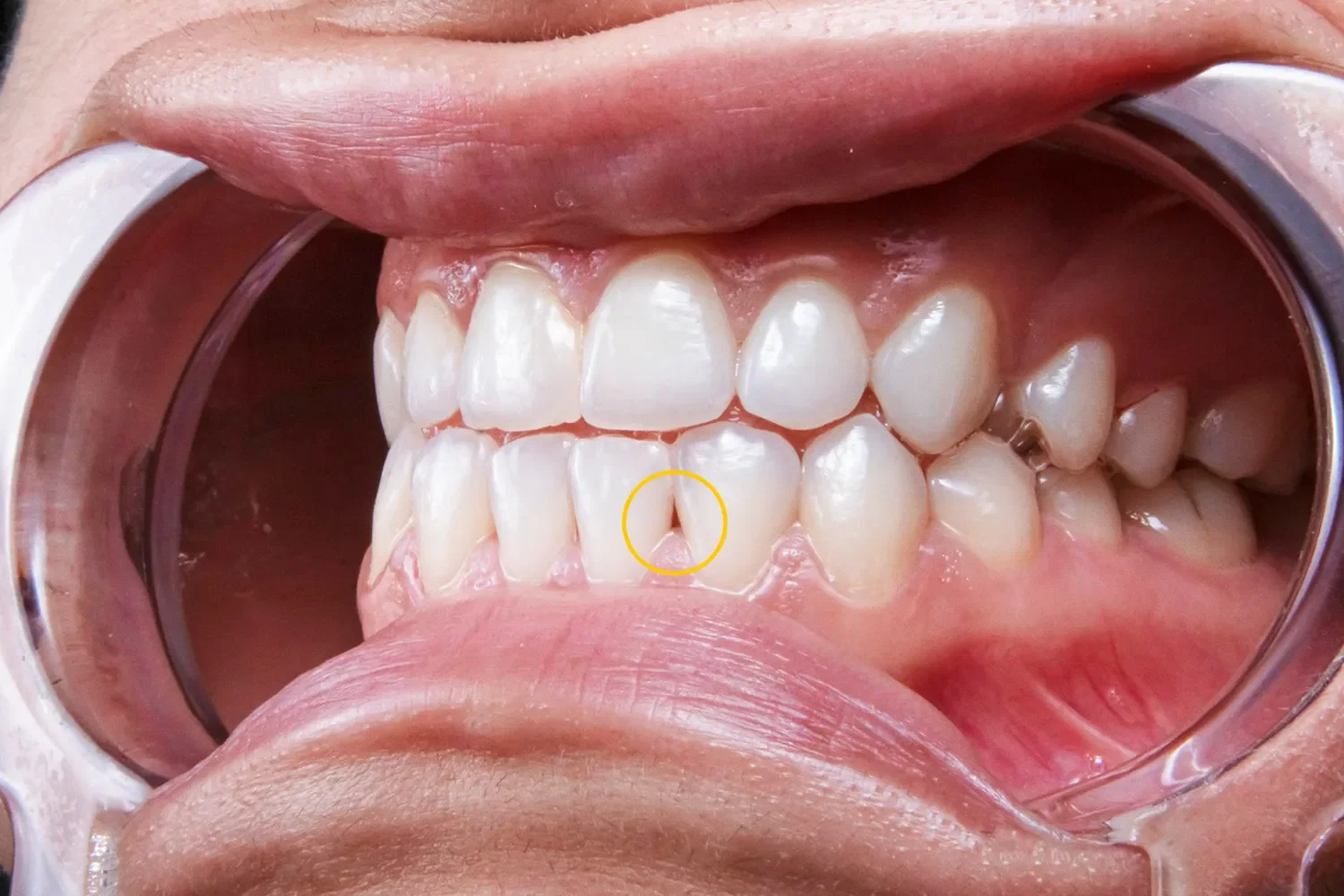
Mouth breathing, on the other hand, dries out the oral cavity. That shift is what drives the familiar symptoms of morning breath, a higher risk of cavities, and irritated gums, because the saliva that would normally protect your mouth evaporates overnight instead of doing its job.
Can Taping Help Quiet Your Snoring?
Snoring comes down to simple mechanics. When the mouth falls open during sleep, the tongue tends to shift toward the back of the throat. That narrows the airway, and the surrounding tissue vibrates, which is the sound we recognize as snoring. Keeping the mouth gently closed encourages air to take a more stable path through the nose instead.
What to Consider Before Reaching for the Tape
Mouth taping is not a one-size-fits-all solution, so it's worth checking your own situation before trying it. If you already struggle with severe nasal congestion, allergies, or a deviated septum (when the wall between your nostrils is off-center), breathing through your nose may already feel difficult. Taping your mouth in that case could restrict your air intake rather than improve it.
It's generally a good idea to talk to a healthcare provider first if any of the following apply to you:
Obstructive sleep apnea (a condition where your breathing repeatedly stops and starts)
Chronic sinus issues that make nasal breathing feel strained
Recent use of alcohol or sedatives that might make it harder for you to wake up if you feel uncomfortable
Highly sensitive skin that might react to adhesives
Regular use of a night guard for teeth grinding, since it's worth checking with your dentist before combining it with tape
A Gentle Way to Start Your Nasal Breathing Journey
If you want to try it, you don't need anything heavy-duty. Specialized sleep tape or hypoallergenic medical paper tape is designed to be gentle on skin. Rather than covering the whole mouth, many experts suggest placing a single vertical strip down the center of the lips. That leaves the corners open, acting as a built-in safety valve if you need to breathe through your mouth.
It also helps to get your body used to the sensation during the day. Try wearing the tape for 10 to 15 minutes while reading or doing something relaxed. That short window helps your brain register that nasal breathing works just fine, which can cut down on any anxiety about trying it overnight.
Balancing Science and Personal Experience
The research on mouth taping is still thin. Large-scale clinical studies haven't caught up with how popular the trend has become.
Nasal breathing's benefits are well documented, but a strip of tape isn't a substitute for real medical treatment. Serious respiratory conditions call for targeted care, like CPAP machines or other clinical interventions.
Mouth taping is best viewed as a supportive part of your sleep routine rather than a medical treatment for sleep disorders.
Everyone's anatomy is a little different, so what works for someone on social media might not be the right fit for you. Paying attention to your own comfort and easing into it slowly is the most sustainable way to find out if it helps.
Frequently Asked Questions
-
Mouth taping is generally safe for healthy adults, but it is not recommended for those with severe nasal congestion, untreated sleep apnea, or respiratory issues. Always use hypoallergenic tape and ensure you can easily open your mouth if needed. If you feel any anxiety or trouble breathing, stop immediately and consult a doctor.
-
Absolutely not. Regular tapes contain strong adhesives that can irritate or damage the delicate skin around your lips. They are also much harder to remove in an emergency. Stick to specialized sleep strips or hypoallergenic medical paper tape (micropore tape) designed for skin contact.
-
Some people feel more refreshed after just one night of nasal breathing, while for others, it may take a few weeks to adjust. If you are used to mouth breathing, your body needs time to retrain its habits. Start by wearing the tape for 10–15 minutes during the day to get comfortable before using it overnight.
Building a Foundation for Deep Rest
Mouth taping is just one piece of the larger sleep puzzle. For the best results, keep your bedroom cool, ideally between 64°F and 68°F (18°C to 20°C). A humidifier can also help keep your nasal passages from drying out, which makes nasal breathing feel more natural.
Good sleep comes down to finding what actually works for your body. By paying attention to how you breathe and making small, safe adjustments, you can move toward more restorative nights. If mouth taping helps you find that nose-breathing sweet spot, it could be a simple, low-cost addition to your sleep routine.
Sources & References
- [1] Lundberg, J., & Weitzberg, E. (1999). "Nasal nitric oxide in man." Thorax.
- [2] Lee, Y. C., et al. (2022). "The Impact of Mouth-Taping in Mouth-Breathers with Mild Obstructive Sleep Apnea: A Preliminary Study." Healthcare.
- [3] Rhee, J., et al. (2025). "Breaking social media fads and uncovering the safety and efficacy of mouth taping in patients with mouth breathing, sleep disordered breathing, or obstructive sleep apnea: A systematic review." PLOS ONE.
- [4] Summer, J. V. (2026). "Mouth Taping for Sleep: Does It Work?" Sleep Foundation.
Read Next