Why Your Bedtime Shower Might Be the Ultimate Sleep Hack
At a Glance
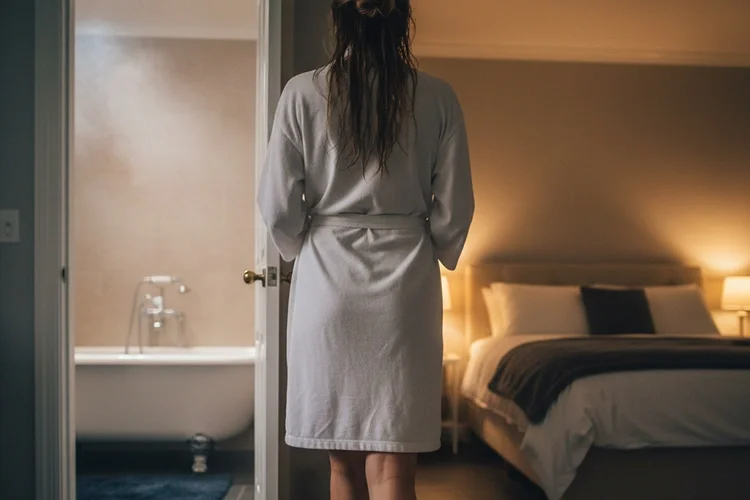
Click a point below to jump to the details.Encourages the habit of preparing the body for high-quality sleep through a consistent bedtime routine. (Image: AI-generated)
Many people assume a hot bath helps them sleep simply by relaxing their muscles. While that’s a nice bonus, the real "magic" lies in how your body manages heat.
This is where a strategic warm shower acts as a sophisticated biological "on-switch."
The Paradox of Warming to Cool Down
It might seem strange to stand under warm water if the goal is to cool down. However, human biology responds to external heat by sending more blood to the surface of your skin.
This process—called vasodilation—is essentially like opening the windows of a stuffy house. The warm water encourages your blood vessels to widen, allowing internal heat to escape from your organs out toward your hands and feet.
Once you step out, your body experiences a natural cooling effect as moisture evaporates from your skin. This mimics the temperature drop your body undergoes right before you drift off, sending a powerful signal to your brain that the day is over and "maintenance mode" should begin.
Timing the Biological Switch
The effectiveness of this routine depends on giving your body enough time to react. If you shower right before hitting the pillow, your heart rate might still be slightly elevated, and you may feel too stimulated to rest.
The 90-Minute Rule
Aim to finish your shower about an hour and a half before bedtime. This provides a "buffer zone" for your body to radiate excess heat and reach the perfect state for melatonin—your natural sleep hormone—to rise.
"If you plan to fall asleep at 11:00 PM, aim to finish your shower by 9:30 PM."
The "Goldilocks" Temperature
Aim for water between 104 and 108°F (40-42°C). It should feel pleasantly warm, not scalding.
Dim the Lights
To keep your sleep hormones happy, keep the bathroom lighting low. Bright overhead lights can trick your brain into thinking it’s still daytime.
Understanding Your Body's "Heat Budget"
Think of your body as having two distinct zones: your Core (brain and internal organs) and your Periphery (limbs and skin).
For great sleep, your core needs to be cool, while your periphery stays warm. This is why people with chronically cold hands and feet often struggle with insomnia; their "heat vents" are closed, trapping heat inside their core. The warm water acts like a pump, moving that trapped heat from your center out to your skin.
Sustaining the Chill
Once you've finished your shower, your bedroom environment should support the work you’ve just started.
Cool Room, Warm Feet
Keeping your room at about 65°F (18°C) helps sustain that lower core temperature.
If your feet feel chilly, try wearing loose socks.
Breathable Fabrics
Choose loose cotton or silk pajamas.
These materials allow heat to continue escaping rather than trapping it against your skin.
Why Warm is Better Than Cold (for Sleep)
While "cold plunges" are popular for a morning energy boost, they aren't ideal for bedtime. Cold water causes your blood vessels to constrict, which actually traps heat inside your core.
It also triggers your "fight or flight" response—the exact opposite of the calm, "rest and digest" state you need for sleep.
The Nightly "Brain Wash"
Lowering your core temperature isn't just about falling asleep faster; it’s about the quality of your rest. A cooler brain is more efficient at activating the Glymphatic System—essentially your brain’s nightly waste-clearance service. By cooling down correctly, you’re helping your brain "wash away" the metabolic debris that builds up during the day.
FAQs: Mastering the Reverse Hot Shower
-
This often happens if the water is too hot (above 110°F), which can stress the body and raise your heart rate. Bright bathroom lights are another common culprit. Try lowering the temperature slightly and using a dim, warm-toned lamp to keep your brain in sleep mode.
-
Duration matters. It takes a little time for your internal heat to migrate to your skin. Try to spend at least 10–15 minutes in the water. If you’re truly in a rush, even a 15-minute warm foot soak can be surprisingly effective at opening those heat vents.
-
Not necessarily. If you get too cold, your body might start shivering or constricting blood vessels to protect your organs, which actually raises your core temperature. The best setup is a cool room paired with a breathable blanket. This allows your body to vent heat steadily while staying comfortable.
A Gentle Reminder on Health
While this routine is a fantastic tool for better sleep hygiene, it’s important to listen to your body’s signals. If you have any concerns regarding blood pressure or cardiovascular health, please ensure the water is a comfortable temperature and consult with a professional if needed.
This protocol is a lifestyle adjustment designed to support your body's natural rhythms, rather than a medical treatment for chronic conditions.
Sources & References
- Haghayegh, S., et al. (2019). "Before-bedtime passive body heating by warm shower or bath to improve sleep: A systematic review and meta-analysis." Sleep Medicine Reviews.
- Cleveland Clinic (2022). "The Surprising Benefits of Sleeping With Socks On: Distal Vasodilation and Core Cooling" Health Essentials.
Read Next