At a Glance
- Morning light shifts your body clock earlier, while bright light late in the evening pushes it later.
- A few minutes outside counts, and on dark mornings a 10,000-lux light box is a common stand-in.
- Keep evenings dim and wake up at the same time every day, weekends included.
Credit: Jason HL Hsia / Unsplash
Most sleep advice starts at bedtime. Dim the lights, put the phone down, keep the room cool.
Good advice. But your body starts setting tonight’s bedtime this morning, the first time daylight reaches your eyes.
Here’s how that works, and how to use it.
How Light Sets Your Body Clock
Credit: Leon-Pascal Jc / Unsplash
That’s why the same light can help or hurt, depending on when you get it.
Getting Your Morning Light
So get outside soon after you wake up. A short walk, coffee on the front step, or walking part of your commute all count. Let the light reach your eyes, but never look directly at the sun.

Credit: Marcos Ambrosi / Unsplash
When You Can’t Get Outside
Keep Your Evenings Dim
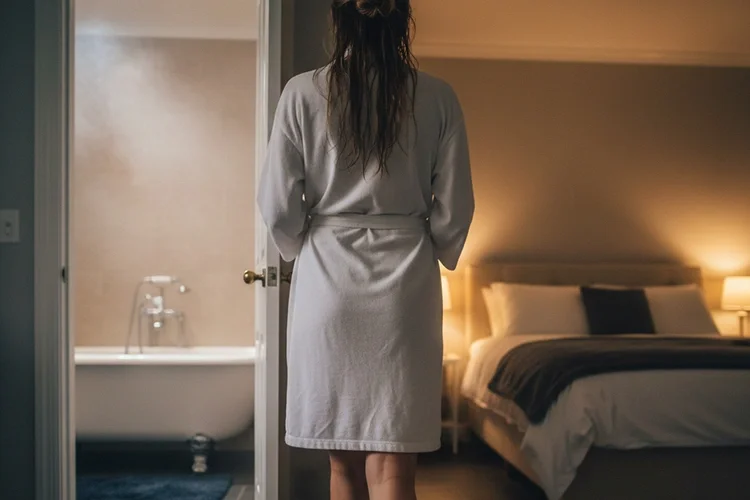
Looking for one more easy wind-down habit? Try a warm shower before bed, timed about 90 minutes ahead.
Frequently Asked Questions
-
Probably not. Light boxes for seasonal affective disorder typically deliver 10,000 lux, and lamps designed for skin conditions mostly give off UV light, which can damage your eyes if used the wrong way.[5]
-
Consistency matters more than the exact hour. Getting up at the same time every day, even on weekends and vacations, is one of the core habits sleep doctors recommend.[6]
-
If you’re dealing with insomnia, daytime sleepiness, trouble waking up, low mood, or ongoing sleep loss, talk to your healthcare provider. They may suggest a sleep diary or a visit with a sleep specialist.[1]
Start Tomorrow Morning
Step outside soon after you’re up. Keep the evening dim. Get up at the same time tomorrow.
That’s most of it. Your body clock does the rest.
Sources & References
- [1] National Sleep Foundation (2020). "Understanding Circadian Rhythms." National Sleep Foundation.
- [2] Bryan, L. (n.d.). "Circadian Rhythm." Sleep Foundation.
- [3] Blume, C., et al. (2019). "Effects of light on human circadian rhythms, sleep and mood." Somnologie.
- [4] Dunster, G., et al. (2023). "Daytime light exposure is a strong predictor of seasonal variation in sleep and circadian timing of university students." Journal of Pineal Research.
- [5] Weiss, C. (2022). "Mayo Clinic Q and A: Light therapy for seasonal affective disorder." Mayo Clinic News Network.
- [6] American Academy of Sleep Medicine (n.d.). "Healthy Sleep Habits." Sleep Education.
Read Next