At a Glance
- Ultherapy works deep under the skin. It reaches the SMAS, the deep connective tissue layer a surgeon would tighten in a facelift, so it helps lift a sagging jawline from underneath.
- Thermage stays closer to the surface. It uses radiofrequency heat to tighten existing collagen and slowly build new collagen over time, which works well for smoothing out fine lines and thin, crepey skin.
- If you have a thinner face, worth knowing that Ultherapy can sometimes cause a bit of volume loss, since it works so deep. A proper facial mapping beforehand is highly recommended.
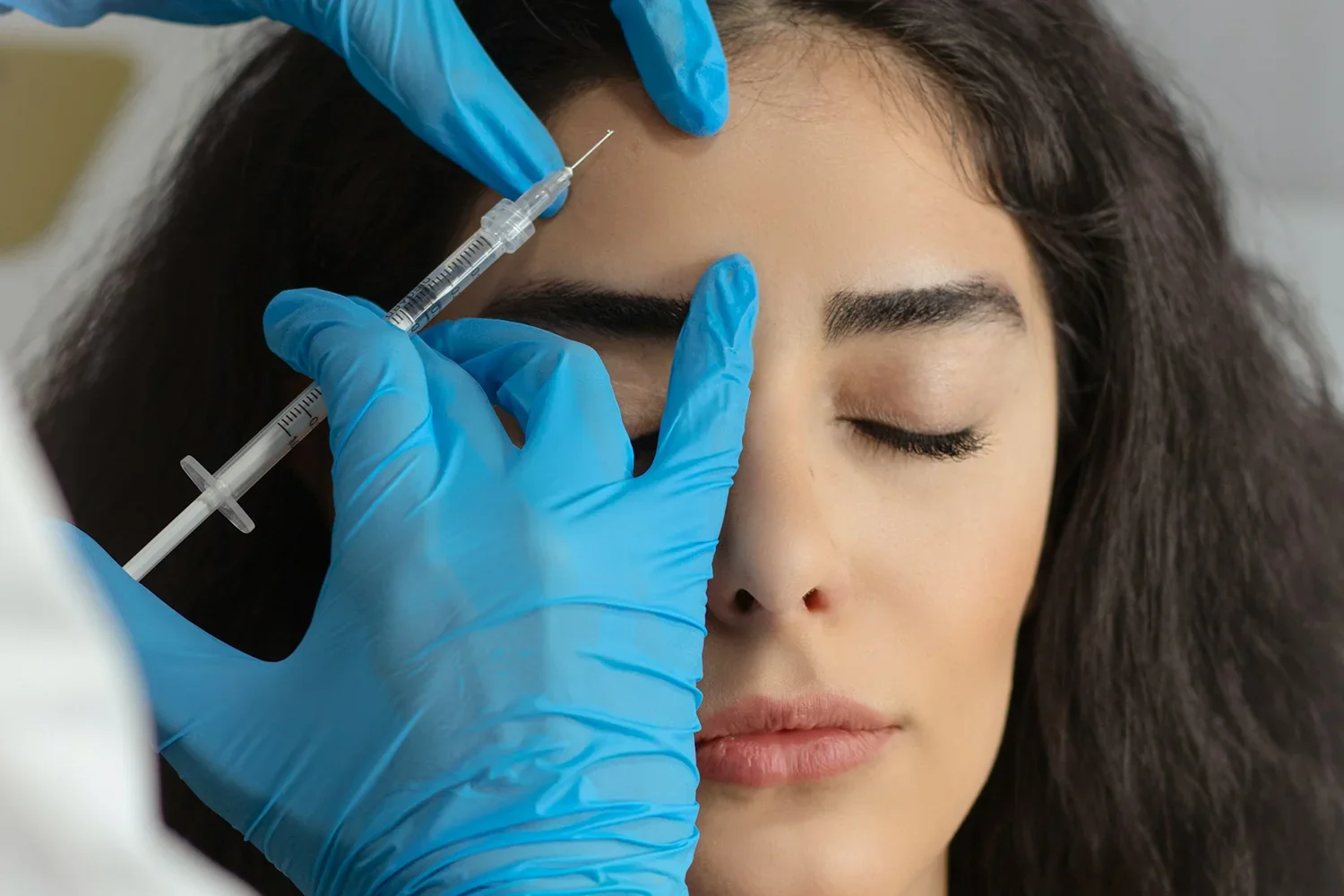
Credit: Ehsan Ahmadi / Unsplash
None of that comes cheap, though. A single session typically runs $500 to $8,000, depending on the treatment area, the clinic's location, and which device generation is used, which is exactly the kind of range that should make you pause before booking anything blind.
That pause matters. These two treatments get lumped together constantly, even though they really shouldn't be. It's easy to assume they do the same job, but that assumption tends to be where the disappointment starts. Sure, both rely on heat to wake up your skin's own collagen. Where that heat lands, and how deep it travels, is what actually decides the result you'll see in the mirror.
Two Machines, Two Completely Different Jobs
The biggest mix-up we see is people assuming Ultherapy and Thermage do the same thing. They don't, not even close. Both use heat to wake up collagen, sure, but they're working at completely different depths of your skin.
1. Ultherapy: Lifting From the Structure Underneath
Ultherapy runs on micro-focused ultrasound with visualization, or MFU-V. The visualization part means the provider can see the layers under your skin on a screen while treating. Picture a magnifying glass focusing sunlight down to one precise point, that's basically the idea.
Those tiny controlled injuries force that layer to contract and tighten, which is what pulls your facial structure up from underneath.
2. Thermage: Smoothing the Surface Layer
Thermage, particularly the current FLX version, works with bulk radiofrequency energy instead. Rather than reaching for deep muscle, it heats the upper layers of skin evenly, mainly the dermis.
So Which One Fits Your Face?
Since the technologies work so differently, they're also good at fixing completely different aging concerns. Pick the wrong one and you're not just wasting money, you might actually end up with a result you didn't want.
Choose Ultherapy If Gravity Is the Problem
If your jawline has lost its edge, your jowls are starting to droop, or a double chin is creeping in, Ultherapy is probably your answer. It's built to fight gravity, anchoring loose tissue back where it belongs on the bone.
Choose Thermage If Texture and Laxity Are the Problem
If what bothers you is skin that feels thin, loose, or crepey, like a balloon that's lost some of its air, Thermage tends to be the better pick. It won't reposition heavy sagging around the jaw, but it does make surface skin plumper and smoother. It's also a favorite for the delicate skin around the eyes.
How Long It Lasts, and What It Actually Feels Like
MedSpa treatments call for a bit of patience. Neither of these procedures gives you an overnight transformation.
What About the Pain?
Let's set expectations straight, neither one feels like a relaxing facial.
The good news is that modern MedSpas usually have numbing creams, nitrous oxide, or oral pain medication on hand, so the experience ends up being pretty manageable for most people.
Frequently Asked Questions
-
Yes, and it's actually a pretty common combination. Providers sometimes call it a dual-layer approach. The idea makes sense once you think about it. Ultherapy handles the deep structural lift at the SMAS layer, while Thermage works the surface at the same time, tightening the dermis and improving overall skin density.
-
It mostly comes down to mapping the face properly before treatment even starts. People with naturally lean faces or prominent cheekbones tend to be more at risk of looking hollow afterward. A skilled provider will usually either adjust the depth settings to steer clear of fatty zones, or simply steer thinner-faced clients toward Thermage instead, where the focus stays on skin density rather than fat contraction.
-
Honestly, it depends on what's actually going on underneath. If it's structural, like a heavy double chin or a sagging jawline, Ultherapy tends to do a better job anchoring that submental tissue. But if the issue is more superficial, think horizontal neck lines or that crepey texture, Thermage usually wins out with a smoother, tighter finish.
Let Your Face Guide the Decision
At the end of the day, Ultherapy versus Thermage isn't really about which machine wins. It's about which one actually matches what your face needs. Plenty of higher-end providers combine both into a layered approach anyway, for people who want structural lifting and surface smoothing at the same time.
Before you book anything, sitting down with a licensed professional for a proper consultation is highly recommended. They can actually feel your skin thickness, check your bone structure, and assess your laxity levels in a way no article can replace. That kind of expert diagnosis is really what gets you the most out of what you're paying for.
Sources & References
- [1] Ultherapy (n.d.). "Ultherapy Skin Tightening." Ultherapy.
- [2] Thermage (n.d.). "Here's to Better Skin." Thermage.
- [3] Rejuva London (2026). "Ultherapy vs Thermage Depth: The Ultimate Comparison Guide." Rejuva London.
- [4] The Cosmetic Skin Clinic (2023). "Thermage Versus Ultherapy: What is the difference?" The Cosmetic Skin Clinic.
- [5] MINE Plastic Surgery (2026). "Can Ulthera Cause Hollow Cheeks? Facts & Safe Solutions." MINE Plastic Surgery.
- [6] RefinedMD (2022). "The Deciding Factors in Ultherapy vs. Thermage FLX." RefinedMD.
- [7] Rejuva London (2026). "Ultherapy vs Thermage Pain: Expert Guide to Comfort Levels." Rejuva London.
Read Next