At a Glance
- Ozempic Face isn't really about aging. It's what happens when the skin's support structures lose volume faster than the skin itself can adjust.
- The most effective approaches work by encouraging the body's own collagen production, through biostimulators and energy-based treatments.
- Results hold up longer when paired with solid nutrition, consistent hydration, and daily sun protection.
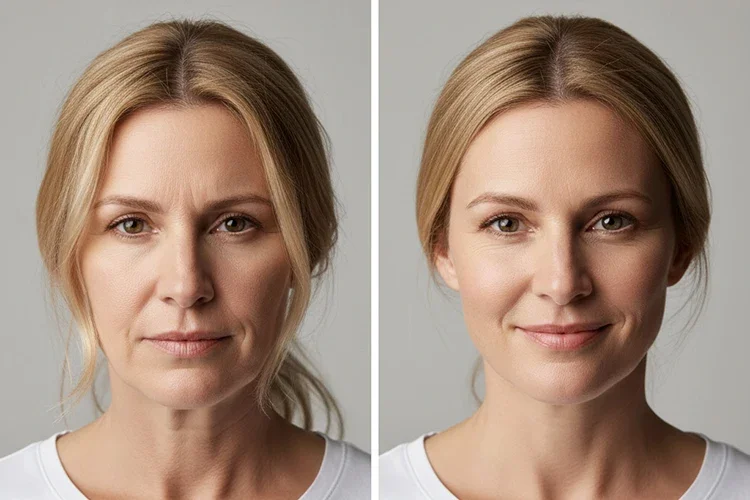
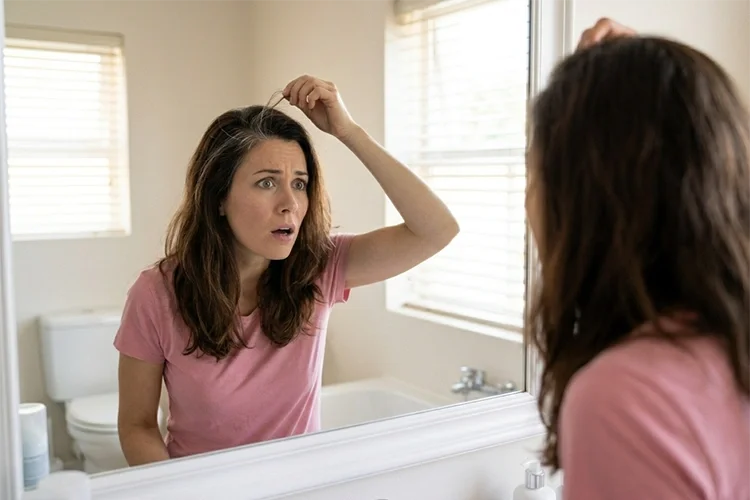
Regenerative treatments like biostimulators work by rebuilding what's lost, not just masking it. (Image: AI-generated)
Rapid weight loss is a real win for your health, but it can leave some unexpected changes behind on your face.
Recognizing the specific signs early makes a real difference in how restoration goes.
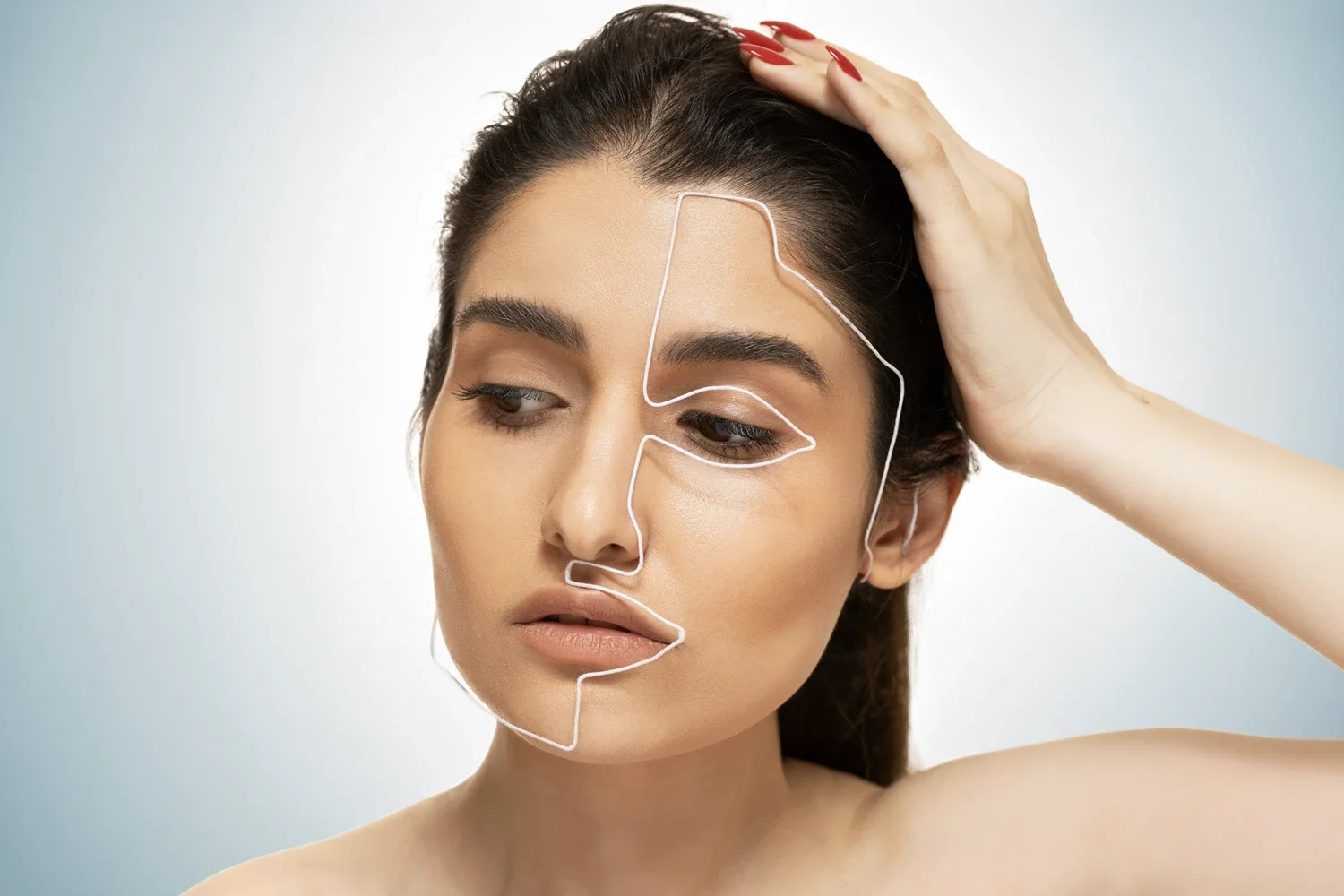
What Exactly Is Ozempic Face?
Hollowed Cheeks
A sunken look just under the cheekbones.
Jowls and Sagging
Skin that loses firmness and starts to hang along the jawline.
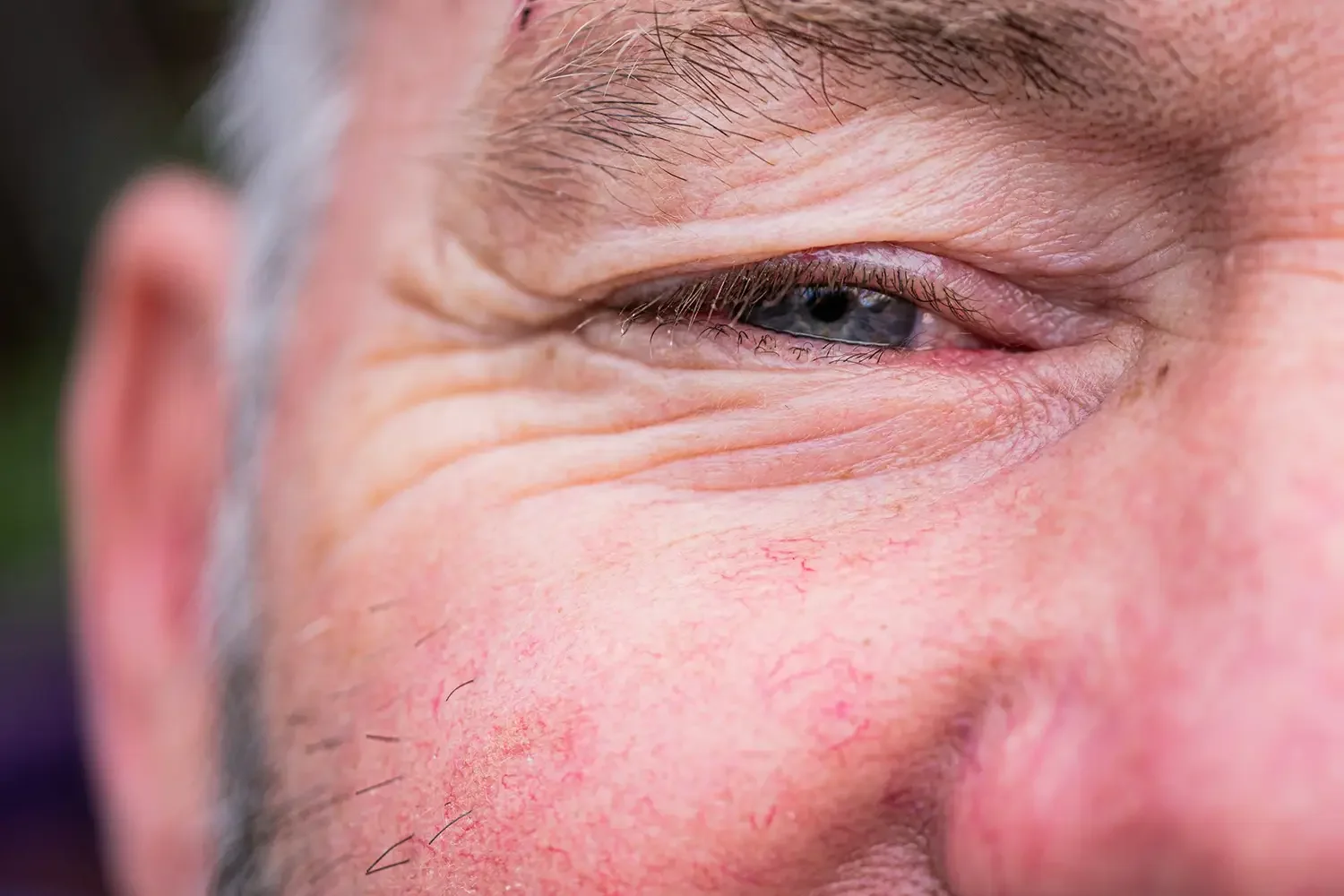
Fine Lines
More visible wrinkles as the underlying support thins out.
Rebuilding the Skin with Regenerative Science
These approaches address the skin's deeper layers:
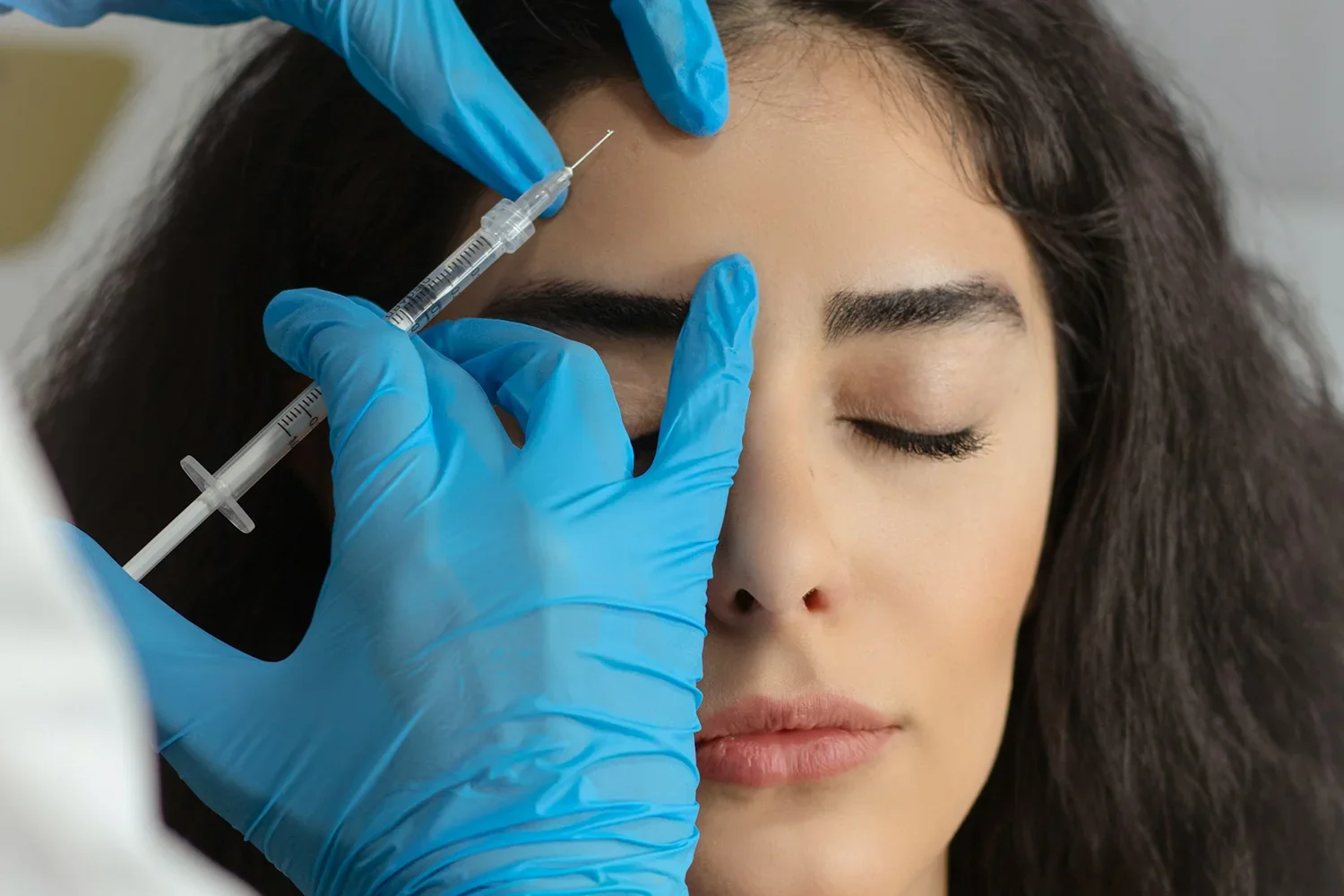
Biostimulators
Injectables such as Sculptra act as messengers that signal your fibroblasts (collagen-producing cells) to produce new collagen and restore natural thickness over time. If you're looking for a gentler starting point before considering injectables, easing into retinol works through a similar collagen-building principle.
Ultrasound Lifting
Technologies like Ultherapy target the deep SMAS layer (the deep supportive tissue under the skin) to provide a non-surgical lift by contracting loose structural tissues.
Radiofrequency Tightening
Treatments like Thermage, or newer bipolar radiofrequency devices, focus on the dermal layer to encourage new collagen and smooth out the appearance of crepey skin.
Getting the Timing Right
Addressing Ozempic Face is as much about timing as it is about the specific treatment used. Since every skin type reacts differently to rapid weight loss, a personalized strategy works best for natural-looking results.
For those with thinner skin, layered treatment protocols, combining skin boosters with energy-based devices, help make sure skin is hydrated enough to safely receive thermal energy.
Because regenerative aesthetics work through biological processes rather than instant filler results, plan on roughly six months to see gradual, lasting restoration.
Frequently Asked Questions
-
There's no single right answer, but most providers agree the conversation should start early, ideally as soon as you begin a GLP-1 medication, rather than waiting until changes show up.[4] Treatment itself can still work well at any stage, since these approaches work with your body's own biology rather than racing against a clock.
-
Fillers provide volume right away, while biostimulators work more gradually by encouraging your own tissue to rebuild itself, which tends to hold up longer over time.
-
Results vary by treatment and by individual, but Sculptra and Ultherapy are generally understood to hold their effects for around one to two years, with maintenance sessions extending that further. Pairing these treatments with healthy daily habits helps your results look their best for as long as possible.
Sustaining Results With Daily Habits
What happens in the clinic is only half the equation for long-term results. A few consistent daily habits can help your results hold up over time.
Nutritional Support
Focus on a diet rich in amino acids and protein, the building blocks for new collagen, along with antioxidant-rich foods that help protect the skin you're rebuilding.
Deep Hydration
Maintain optimal internal water levels to support cellular repair and overall skin plumpness.
Environmental Protection
Apply broad-spectrum SPF daily to protect newly formed collagen fibers from UV degradation, the same rule that applies whenever you're actively renewing skin with retinol.
Sources & References
- [1] Catalfamo, L., et al. (2025). "'Ozempic Face': An Emerging Drug-Related Aesthetic Concern and Its Treatment with Endotissutal Bipolar Radiofrequency (RF)—Our Experience." Journal of Clinical Medicine, 14(15), 5269.
- [2] Cleveland Clinic Health Essentials (2025). "'Ozempic Face': What It Is and How To Avoid It." Cleveland Clinic Health Essentials.
- [3] Daneshgaran, G., et al. (2025). "'Ozempic Face' in Plastic Surgery: A Systematic Review of the Literature on GLP-1 Receptor Agonist Mediated Weight Loss and Analysis of Public Perceptions." Aesthetic Surgery Journal Open Forum.
- [4] Grasso, G. M. (2025). "The Science Behind 'Ozempic Face': How to Improve GLP-1-Related Skin Sagging." Healio (Endocrine Today).
Read Next