At a Glance
- Organic botanicals like bakuchiol and organic seed oils skip the pesticides and synthetic fertilizers, which research links to measurably higher antioxidant levels, without the irritation synthetic additives can sometimes cause.
- Packaging matters too. Recyclable glass, biodegradable materials, and compostable bio-polymers help keep your beauty routine out of landfills and oceans.
- Going organic and eco-friendly doesn't mean settling for less. The right ingredients and packaging can deliver real results while being kinder to your skin and the planet.
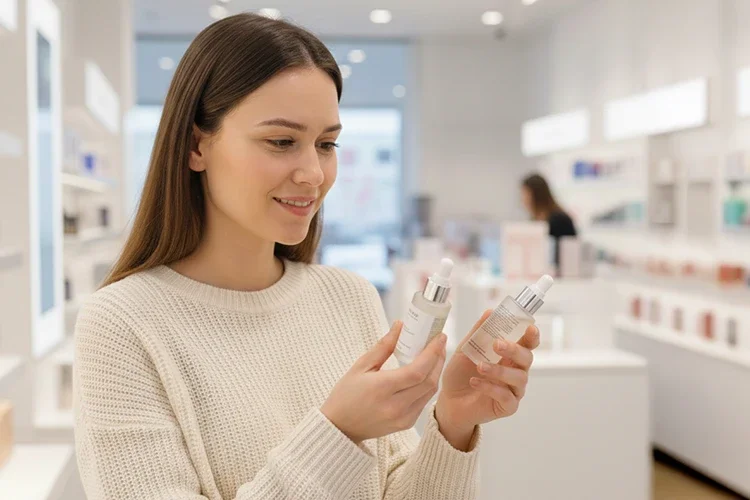
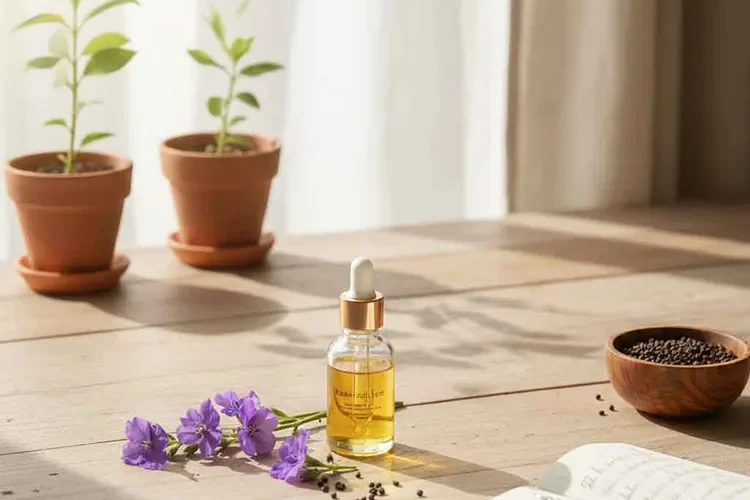
A conscious choice. (Image: AI-generated)
Visible results used to mean harsh chemicals, full stop. The research tells a different story now. Organic botanicals can deliver real results without putting your skin barrier through the wringer.
This piece comes down to two things that quietly decide how ethical, and how effective, your routine really is. What's in the bottle, and what the bottle itself is made of.
The Real Benefit of Going Organic
In a market full of quick fixes, organic skincare takes a different approach. Instead of forcing results with aggressive actives, organic botanicals tend to work with your skin rather than against it.
Purity Without Irritation
Synthetic fillers, preservatives, and fragrance compounds are some of the most common irritants in skincare. Organic formulations typically skip these altogether, which is often why sensitive or reactive skin responds better to them.
Effective, Not Just Ethical
Ingredients like bakuchiol and organic seed oils prove that ethical sourcing doesn't have to come at the cost of performance. Bakuchiol in particular has become a popular, gentler alternative to retinol, offering real anti-aging benefits with a much lower risk of irritation.
Built to Last
Used consistently, these ingredients tend to support your skin barrier over time instead of overwhelming it with a quick fix. The results take a little longer to show, but they tend to hold.
What the Research Shows About Organic Potency
The leading theory is that without synthetic pesticides to lean on, these plants ramp up their own natural defenses, and antioxidants are a big part of that system. It's a reasonable assumption that some of this resilience carries over when those same plants become skincare ingredients, though it's worth noting the research itself focused on nutrition, not topical use. Either way, it's one more reason organic-sourced botanicals are worth a closer look.
This is part of why plant-first formulations keep gaining ground. That same instinct to favor what's naturally potent is also behind the rise of ingredients like bakuchiol, a plant-derived alternative that's become popular with people who want retinol-like benefits without the synthetic version.

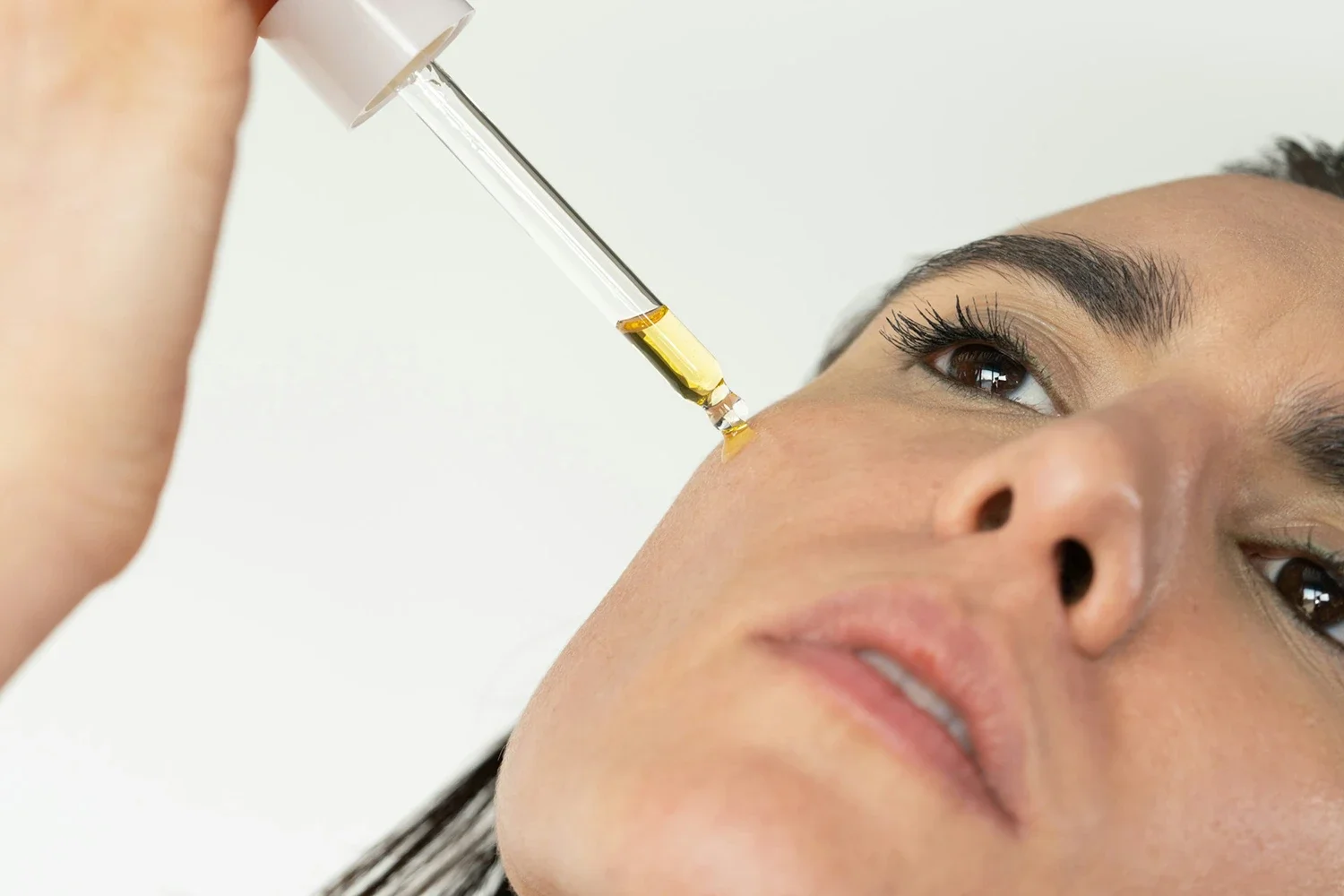
Credit: Harper Sunday / Unsplash
Why Packaging Deserves Just as Much Thought as the Formula
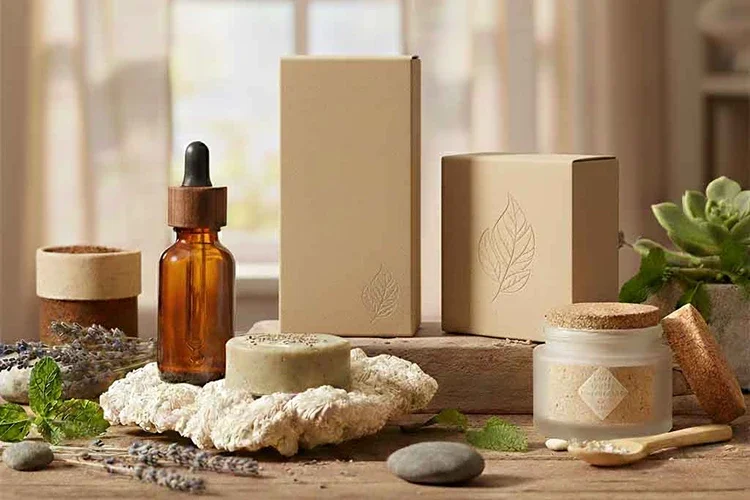
The good news is there are real alternatives already in use. Recyclable glass and biodegradable materials are the most familiar options, but newer approaches like post-consumer recycled (PCR) plastic and compostable bio-polymers are gaining ground too, materials designed to break down without leaving microplastics behind.
Choosing a product in one of these formats is a small decision, but multiplied across millions of purchases a year, it adds up to a real difference.
Frequently Asked Questions
-
It depends on patience more than potency. Organic actives work gradually, supporting your skin's own processes rather than forcing rapid change, so most people notice a difference over weeks rather than days. The trade-off is worth it for a lot of people: less redness and flaking along the way, even if the timeline looks different from what a stronger synthetic formula promises. A patch test is still worth doing first, since plant-derived extracts can trigger sensitivity in some skin types too.
-
Organic botanicals skip the pesticides and synthetic fertilizers that can trigger micro-inflammation over time, which gives your skin more room to maintain its own natural barrier instead of constantly fighting off irritants.
-
Not the formula's performance, but it affects the bigger picture. Packaging made from recyclable glass, PCR plastic, or compostable bio-polymers means your routine isn't adding unnecessary waste to landfills or oceans, which matters if sustainability is part of why you're choosing organic in the first place.
Beauty Without the Trade-Off
Nourishing skin with ingredients that are both effective and gentle does more than improve how your complexion looks. It changes what your routine is actually built on.
Choosing organic, clean, or vegan beauty isn't about perfection. It's a conscious step, one that benefits your skin now and adds up to something bigger over time. The formula and the packaging both play a part, and neither one has to come at the expense of the other.
Small, consistent choices (the ingredients you pick, the materials you choose) are what actually move the needle, not a single dramatic overhaul.
Sources & References
- [1] Barański, M., et al. (2014). "Higher Antioxidant and Lower Cadmium Concentrations and Lower Incidence of Pesticide Residues in Organically Grown Crops: A Systematic Literature Review and Meta-Analyses." British Journal of Nutrition.
- [2] OECD (2022). "Global Plastics Outlook: Economic Drivers, Environmental Impacts and Policy Options." OECD Publishing, Paris.
Read Next