Why Your Ear Might Be the Fastest Way to Calm Your Nervous System
At a Glance
- The vagus nerve is the switch that moves your body from high-alert stress into rest-and-repair mode.
- It also taps a pathway that helps keep inflammation in check. Not folklore, but nerve signaling researchers have tracked for over two decades.
- A branch of it sits right at the surface of your outer ear, mostly in the concha. Cold at the neck also works, and both have the effect of improving heart-rate-variability.
- The glowing-skin, endless-energy claims? This sounds nice but it is not what the studies actually tested for. Although it's possible that it might help, it’s not guaranteed.
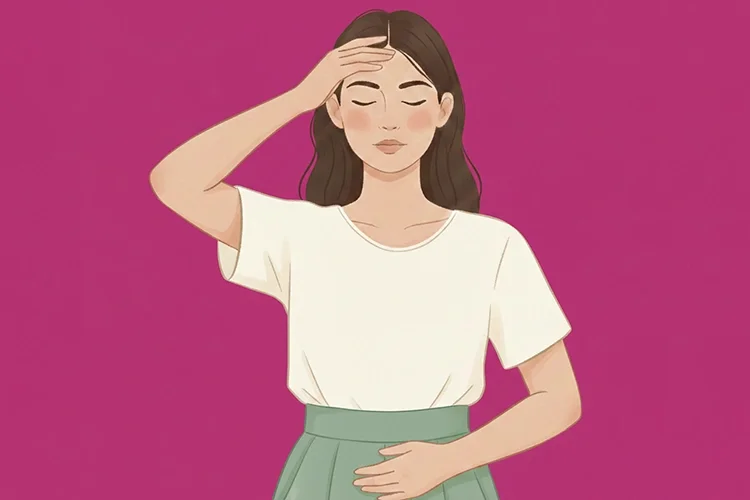
Illustration: Studio PantsAnts™ / AI
You know the feeling. It's barely 9 a.m. and you're already running on fumes. Breathing exercises get recommended for everything, and sometimes they help, but when your heart is pounding and your mind won't slow down, a few slow inhales rarely touch it. That's because stress isn't just a mood. It's a physiological event, and one nerve has more say over it than almost anything else in your body.
That nerve is the vagus nerve. It runs from the base of your skull down through your neck and chest into your gut, linking your brain to nearly every major organ along the way. It's the wiring behind "rest and digest," the body's built-in counterweight to fight or flight. And the interesting part isn't just that it calms you down.
That’s a documented effect and not just a wellness slogan. It's also a large part of the reason why a calmer nervous system will give a person more long lasting energy over time.
Reaching the Nerve Through Your Ear
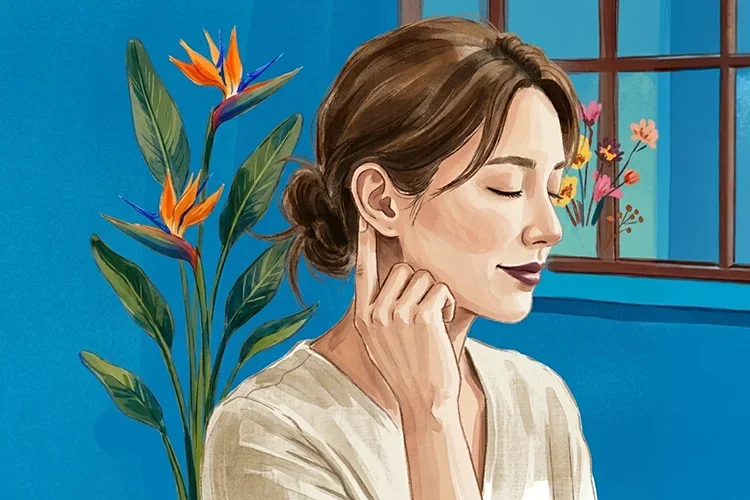
You don't need a specialized clinic to reach this nerve. There's a direct line to it right on your own ear.
Think of it as a side door into your nervous system. Give that spot a little attention, and you're sending your brain a fairly specific message. Everything is fine, you can stand down.
None of this requires a meditation cushion or an hour you don't have. It's small, physical, and available anytime the day gets loud.
Cold Exposure at the Neck
Humming and Slow Singing
The Ear Massage
There's a short video guide linked below with a few ear massage variations, though it's general wellness content rather than a clinically sourced demonstration, so treat it as inspiration rather than a precise anatomical guide.
Video Credit: Live Lean TV Daily Exercises
*Follow these 4 simple ear massage techniques from the video above.
Environment and Quiet
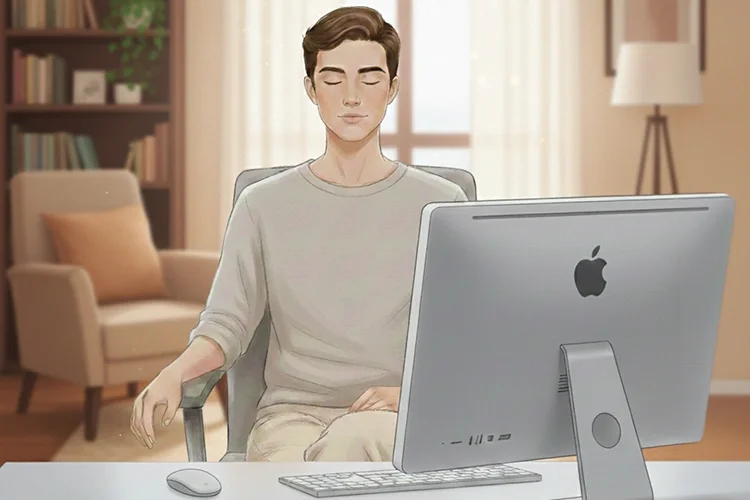
Environment matters too. Low, steady background sound, think rain, ocean, a quiet room, tends to calm the vagus nerve by signaling safety rather than threat. That's part of why time in nature or a few minutes of calm music can shift your mood almost immediately.
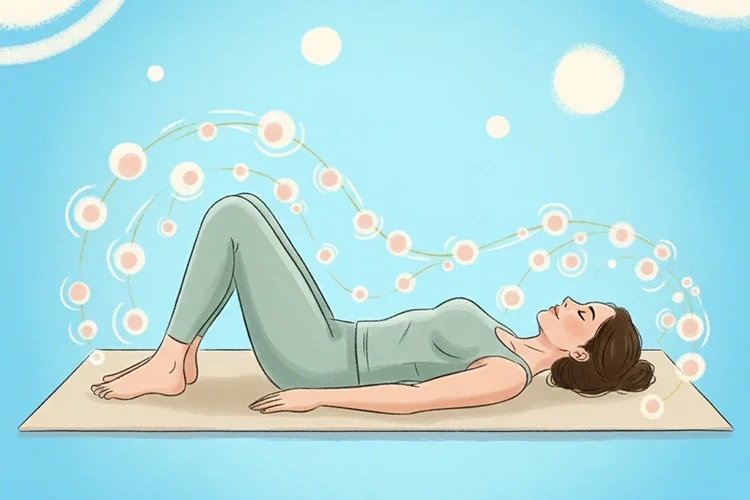
A quiet space before bed does something similar. An eye mask, a dim room, even just sitting still for a few minutes tells your body the day is winding down. It's less about the specific ritual and more about giving yourself permission to stop.
Common Questions
-
Consistency matters more than intensity here.
Aim for 1 to 2 minutes, once or twice a day.
Stressful moments and right before bed tend to work best.
Most people notice a steadier heart rate within a few days, though this varies by person.
-
Extended exhalation is a common recommendation here, and it works on the same general principle as the cold exposure and singing research above. Try breathing in for 4 and exhaling for 8 seconds. The longer exhale is what does the work, not the specific count. Gargling water or sharing a laugh with a friend come up often too. Both are plausible given where the nerve runs through the throat, though the evidence for these specific actions is more anecdotal than the cold exposure and singing research cited above.
-
The honest answer is partly yes, partly still theoretical. Chronic stress shifts blood flow away from the skin toward core organs, the classic fight or flight pattern. Activating the vagus nerve is linked to lower systemic inflammation, a mechanism backed by real research.[1] Whether that specific chain leads to visibly less dullness or fewer breakouts hasn't been tested directly, so treat the skin claim as a reasonable inference rather than a settled fact.
The Bottom Line
None of this means stress disappears once you learn a few ear tricks. But the vagus nerve does offer a real, physical lever, backed by actual research on inflammation, heart rate, and nervous system regulation. Cold at the neck, a slow hum, a few minutes of quiet, these are small moves with real mechanisms behind them. Treat them as tools worth trying, not a cure, and the claims about glowing skin and unstoppable energy as a bonus you might notice rather than a guarantee.
Sources & References
- [1] Pavlov, V. A., et al. (2003). "The Cholinergic Anti-inflammatory Pathway: A Missing Link in Neuroimmunomodulation." Molecular Medicine.
- [2] Butt, M. F., et al. (2020). "The anatomical basis for transcutaneous auricular vagus nerve stimulation (tVNS)." Journal of Anatomy.
- [3] Jungmann, M., et al. (2018). "Effects of Cold Stimulation on Cardiac-Vagal Activation in Healthy Participants: Randomized Controlled Trial." JMIR Formative Research.
- [4] Vickhoff, B., et al. (2013). "Music structure determines heart rate variability of singers." Frontiers in Psychology.
Read Next