Stop Forcing Calmness and Learn to Use Your Vagus Nerve Instead
At a Glance
Click a point below to jump to the details.Illustration: Studio PantsAnts™ / AI
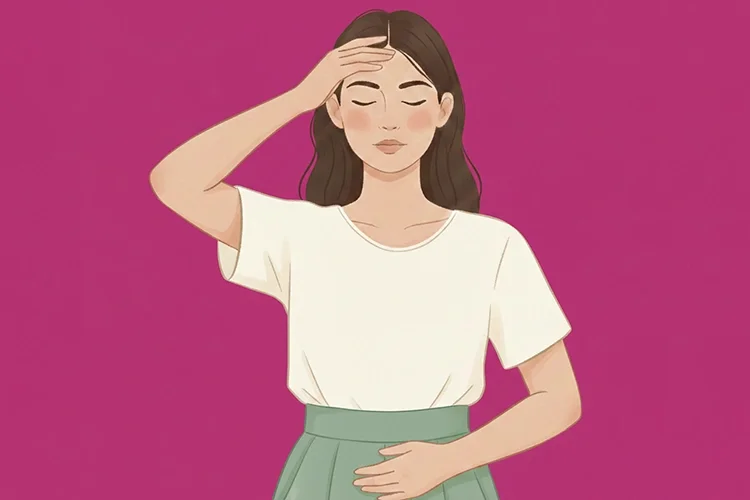
We all know that feeling—your heart races, your breath gets shallow, and your mind won't stop spiraling.
In the wellness world, we often talk about "managing stress," but you actually have the power to physically signal your body to relax. It all comes down to the vagus nerve.
By practicing a few gentle movements, you can help your mind regain its balance in just a matter of minutes.
What Exactly Is Vagal Tone?
The vagus nerve is the body’s "information superhighway," connecting your brain to almost every major organ, including your heart, lungs, and gut.
When we talk about "vagal tone," we’re describing how efficiently this nerve is communicating with your body. Having high vagal tone means your body is resilient—it can bounce back from stress quickly. If you feel like you’re always "on edge," your vagal tone might just need a little attention.
Gentle Ways to Invite Your Inner Calm
You don’t need a yoga mat or a special studio for these. You can influence your nervous system through simple movements that interact with the nerve’s path through your throat, ears, and eyes.
The Magic of Humming
Since the vagus nerve passes right by your vocal cords, the vibration of a simple hum acts like a gentle internal massage for your nervous system.
Cold Water Refresh
A quick splash of cool water on your face triggers a "diving reflex," a natural biological response that helps slow your heart rate. It’s like a refreshing hard reset for your brain.
The Lateral Eye Stretch
While keeping your head still, try looking as far to the right as you can for 30 seconds, then repeat on the left. This simple shift engages the area at the base of your skull where the vagus nerve begins.
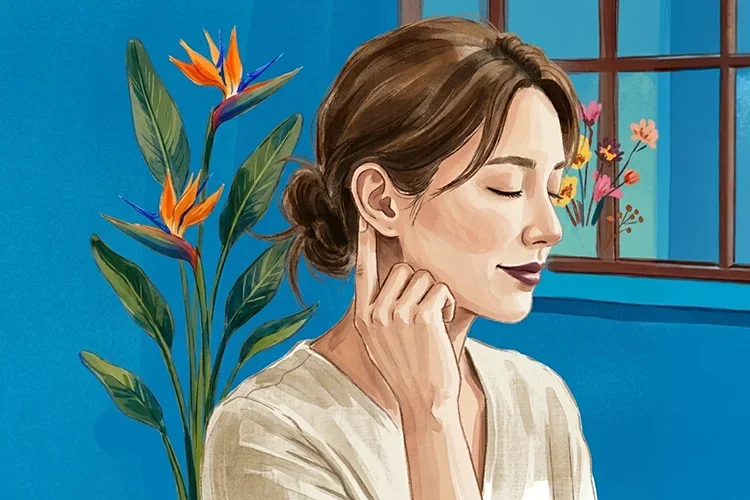
Ear Soothing
Gently rubbing the hollow part of your outer ear can stimulate a small branch of the nerve, helping to melt away physical tension you might not even realize you're holding.
Using Your Breath as a "Remote Control"
If the vagus nerve is the gateway to relaxation, your breath is the tool that opens it. Specifically, your exhalations (breathing out) are what signal the nerve to release calming chemicals like acetylcholine, which acts as a natural tranquilizer for your heart.
Lengthen Your Out-Breath
Try making your exhale about twice as long as your inhale. This naturally encourages your heart rate to slow down.
The 4-7-8 Rhythm
Inhale for a count of four, gently hold for seven, and exhale slowly for eight. It’s a powerful way to quiet a frantic mind.
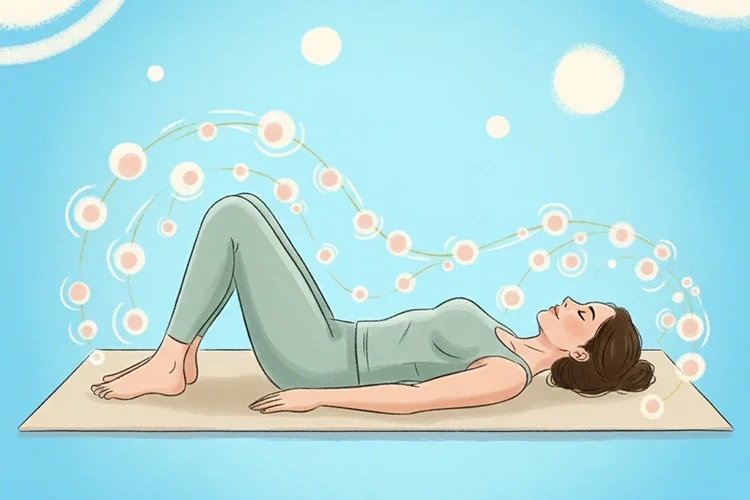
Deep Belly Breathing
Focus on letting your abdomen rise more than your chest. This ensures your diaphragm is moving enough to stimulate the nerve fibers that pass right through it.
Why This Matters for Your Long-Term Health
Toning your vagus nerve isn't just about feeling better in the moment; it’s about shifting your body's baseline.
Improving HRV
A healthy vagus nerve improves Heart Rate Variability (HRV)—the variation in time between your heartbeats. High HRV is considered a "gold standard" for physical longevity and heart health.
Supporting Digestion
Emotional Resilience
Over time, you may find that things which used to ruin your day now feel like minor bumps in the road.
FAQs: Your Vagus Nerve Questions, Answered
-
Consistency usually beats intensity. Spending just 5 minutes a day is often enough to start "toning" your nervous system. You can practice them whenever you feel stress rising or as part of a morning routine to set a calm tone for the day.
-
While these exercises are gentle and non-invasive, they do influence your heart rate. If you have any pre-existing heart or neurological conditions, it’s always wise to check with your doctor before starting a practice that intentionally shifts your autonomic nervous system.
-
For quick relief, focusing on a long, slow exhale or a splash of cool water tends to give the fastest biological "signal" to your brain to slow down.
The Bottom Line
True peace isn’t something you have to chase—it’s a biological tool already living inside you.
You’re taking the driver’s seat of your own biology, moving toward a state of intentional calm. Trust in your body’s natural ability to restore itself and find its balance once again.
Sources & References
- [1] Porges, S. W. (2009). "The Polyvagal Theory: New insights into adaptive reactions of the autonomic nervous system." Cleveland Clinic Journal of Medicine (via NIH).
- [2] Harvard Health Publishing (2024). "Understanding the Stress Response and the Vagus Nerve." Harvard Medical School.
- [3] Frontiers in Neuroscience (2018). "Vagus Nerve as Modulator of the Brain-Gut Axis in Psychiatric and Inflammatory Disorders." Frontiers Media.
- [4] Cleveland Clinic (2022). "Vagus Nerve: Function, Stimulation, and Role in Parasympathetic Health." Cleveland Clinic Health Essentials.
Read Next