Is It Burnout or Dopamine Overload? How to Reset Your Brain and Find Your Spark Again
At a Glance
Click a point below to jump to the details.Illustration: Studio PantsAnts™ / AI
You feel completely drained, unmotivated, and unable to focus on even the simplest tasks. Your first thought? Probably burnout from working too hard. But in a world of endless scrolling and constant notifications, the real culprit might be something else entirely. It’s what experts call dopamine overload.
The Connection Between Dopamine and Your Motivation
The problem starts when your dopamine receptors are constantly overstimulated. To protect itself from the surge, your brain triggers a biological defense mechanism called downregulation, naturally reducing its number of receptors. This is why you suddenly need more and more digital stimulation just to feel "normal."
Signs Your Reward System Might Need a Reset
How do you know if you are dealing with dopamine overload rather than pure physical exhaustion? It helps to look for a few behavioral patterns:
You feel an almost irresistible urge to check your phone the moment you wake up.
Hobbies that you used to enjoy now feel a bit dull or even like a chore.
You find yourself "doom-scrolling" for hours, even when you aren't actually enjoying the content.
You experience frequent brain fog and have difficulty staying focused on one task for more than a few minutes.
Simple Strategies for a Brain Reset
The goal of a dopamine reset is not to eliminate dopamine entirely—that is biologically impossible and unnecessary. Instead, the aim is to lower your baseline so that the simple joys of life become rewarding again.
Make Room for Absolute Quiet
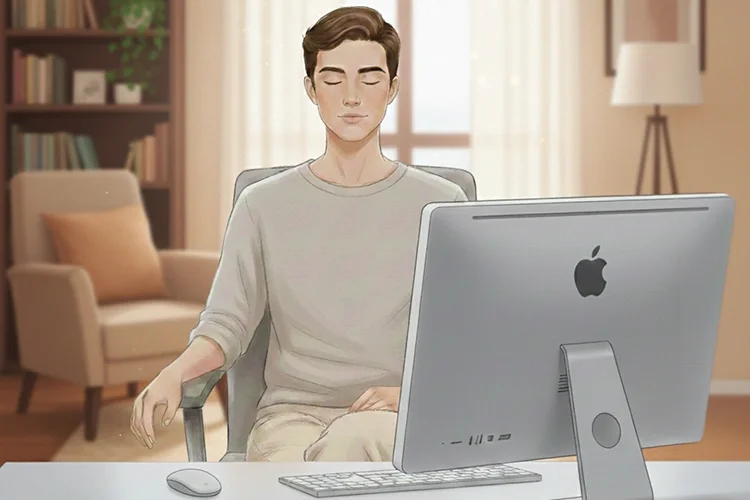
Our brains rarely get a moment of silence. You might consider spending at least 10 minutes a day doing absolutely nothing—no podcasts, no music, and definitely no scrolling. This allows your neural pathways to settle and reduces the constant demand for external input.
Practice a Low-Stimulus Morning
The first hour of your day often sets the tone for your dopamine baseline. Whenever possible, try to avoid checking your phone for the first 60 minutes after waking up. Instead, let your eyes take in natural sunlight and focus on a slow, physical task like making coffee or light stretching.
Prioritize High-Quality Rewards
Try switching from "passive" dopamine sources to "active" ones. While scrolling is effortless and draining, finishing a book, cooking a healthy meal, or completing a workout provides a slower, more sustainable release of energy that builds lasting satisfaction.

Credit: Michael Surazhsky / Unsplash
The Role of Somatic Awareness in Recovery
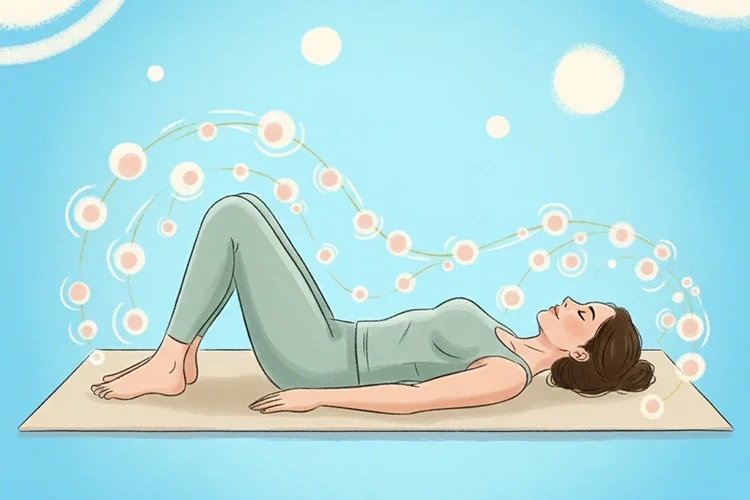
This connection is known as somatic awareness—or simply, staying in tune with your body’s signals. For those looking to deepen this connection, following a somatic stretching guide can be a powerful starting point.
When you feel that restless "itch" for a digital fix, it’s often a sign that your body is in a state of mild agitation. To counter this, you can use physical tools to recalibrate your mind:
Breathwork
Deep, intentional breathing helps shift your system from an impulsive 'seeking' state to a grounded 'being' state. You can try specific breathing techniques for anxiety reliefto speed up this transition.
Active Movement
A simple walk in nature helps clear the metabolic byproducts of stress. For a more targeted approach, vagus nerve exercises can help settle a restless mind.
Cold Exposure
A Note on Mental Health and Safety
It is important to remember that while a dopamine reset can be incredibly helpful, it is not a replacement for professional care regarding clinical depression or severe anxiety. If feelings of hopelessness persist and interfere with your daily life, we encourage you to consult with a licensed mental health professional.
FAQs
-
Actually, that feeling of "unbearable boredom" is often the clearest sign of progress! It means your brain is finally noticing the absence of high-intensity spikes. Think of it as your reward receptors re-adjusting their sensitivity. Once this phase passes, you'll likely start finding genuine joy in small, everyday things again.
-
While a sudden break can work for some, it often leads to a "rebound" effect where you crave the stimulation even more. For most people, a gradual reduction is more sustainable. Try replacing just one digital habit with a high-quality activity, like a 10-minute walk or reading a physical book.
-
Yes, they often feed into each other. When you are stressed from work, you are more likely to seek "cheap dopamine" (like scrolling or junk food) to cope. This can further numb your brain, making work feel even more exhausting. Addressing dopamine overload is often a great first step in recovering from deeper burnout.
The Bottom Line
Focus isn't about forcing yourself into restriction. It's simply about choosing quality over endless content. When you lower the digital noise, you finally give your mind the room to clear up and reset.
Once your brain steps off that constant dopamine wheel, your natural motivation comes right back. You’ll start noticing that everyday, real-world moments feel sharper and surprisingly more satisfying than anything on a screen. It’s about making your time actually mean something again.
Sources & References
- [1] Lembke, A. (2021). "Dopamine Nation: Finding Balance in the Age of Indulgence." Dutton / Penguin Random House.
- [2] Harvard Health Publishing (2021). "Dopamine: The pathway to pleasure and its role in motivation." Harvard Medical School.
- [3] Bromberg-Martin, E. S., et al. (2010). "Dopamine in motivational control: rewarding, aversive, and alerting." Neuron (via NIH).
- [4] Šrámek, P., et al. (2000). "Human physiological responses to immersion in quiet water of different temperatures." European Journal of Applied Physiology.
Read Next