Finding Stillness with Box and Moon Breathing
At a Glance
Click a point below to jump to the details.Illustration: Studio PantsAnts™ / AI
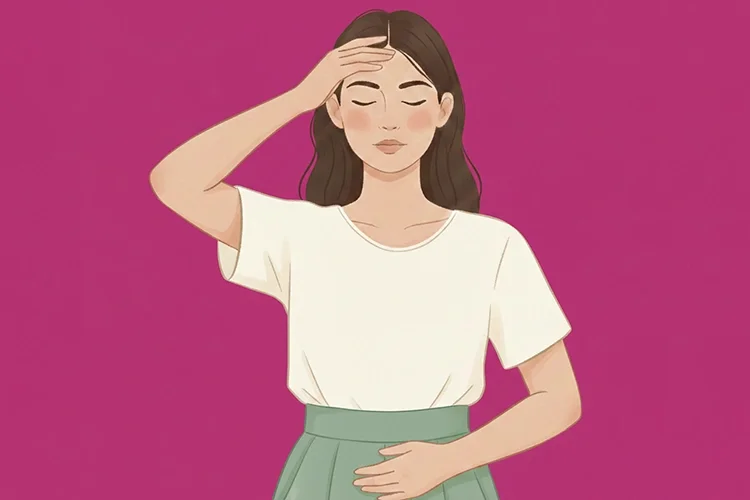
In our modern world, we often treat our bodies like machines, pushing them to perform at high speeds without pause.
But we are living ecosystems that require a rhythmic flow to thrive. The "miracle of purity" is that we have an ever-present tool to restore this balance: our breath.
The Science of Rhythmic Relaxation
It’s a biological reset button available to you at any moment.
Box Breathing: The Structure of Stability
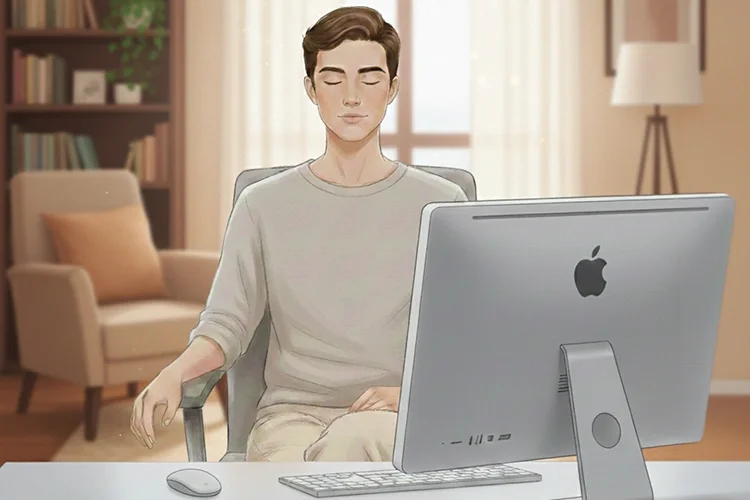
Box Breathing provides a sense of "pure order" when the mind feels chaotic.
How to Practice Box Breathing
Sit comfortably and allow your spine to grow tall like a sturdy tree.
Inhale slowly for a count of 4, feeling your lungs expand with vitality.
Hold your breath for a count of 4. Experience the stillness in this quiet pause.
Exhale completely for a count of 4, releasing all the "synthetic" noise of the day.
Hold your breath again for a count of 4, staying present in the empty space.
Repeat this cycle 4 times to feel instantly grounded.
Moon Breathing: A Love Letter to the Nervous System
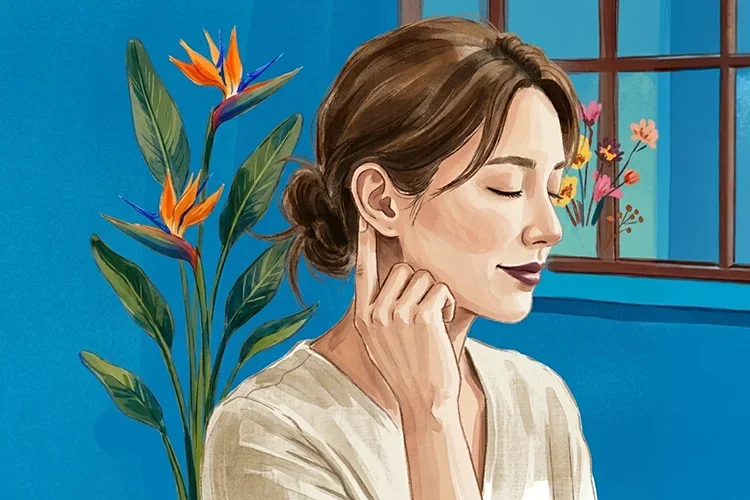
Known as 'Chandra Bhedana', Moon Breathing focuses on the cooling energy of the left nostril.
How to Practice Moon Breathing
Gently close your right nostril with your thumb.
Inhale deeply and slowly only through your left nostril. Imagine drawing in a silver, cooling light.
Briefly pause at the top of the breath.
Release the right nostril and exhale slowly through it.
Inhale left, exhale right. This specific direction is the key to deep tranquility.
Practice this for 5 minutes to invite a sense of profound peace.
Gentle Guidance for Your Journey (FAQs)
-
While there is no "perfect" time, syncing with your body’s natural rhythm is ideal.
Box Breathing is wonderful in the morning to start your day with clarity or before a big task to find focus.
Moon Breathing, on the other hand, is best practiced in the evening or right before bed, acting as a gentle love letter to your nervous system to cool down and prepare for rest.
-
Please, do not force your body. Dizziness is often a sign that your system needs a moment to adjust to the new rhythm. If you feel lightheaded, stop the technique immediately and return to your natural, un-forced breathing pattern. If a 4-second count feels too long, start with 2 or 3 seconds and allow yourself the "luxury of patience" as you gradually increase the duration.
-
Just as a flower thrives with consistent care, practicing for even 5 minutes every day yields the most profound transformation. However, even a single cycle of deep breathing offers an immediate "warm embrace" to your nervous system.
Rather than striving for perfection, treat these techniques as a sacred sanctuary you can return to whenever the world feels a bit too loud.
Cultivating the Luxury of Patience
Treating your breath as medicine is an act of self-kindness—a radical departure from the hurried "synthetic" pace of modern life.
It requires no physical force, only the "luxury of patience." In a world that demands instant results, allowing yourself the time to simply breathe is the ultimate form of self-sovereignty.
As you return to these primordial rhythms, you are doing more than just relaxing; you are recalibrating your entire biological signature.
By mastering the pause between the inhale and the exhale, you reclaim your natural power to heal, sharpen your cognitive clarity, and install a sanctuary of stillness within your own chest.
Let this practice be your "biological armor" against the chaos of the outside world.
Remember, your breath is the bridge between the mind and the body—walk across it often.
Sources & References
- [1] Harvard Health Publishing (2023) "Relaxation techniques: Breath control helps quell errant stress response" Harvard Medical School Tips.
- [2] Mayo Clinic (2023) "Stress relief: Breathing exercises for a calmer you" Clinical Health Guide.
- [3] Cleveland Clinic (2024) "Box Breathing: Benefits and techniques for immediate stress relief" Psychology & Wellness Reports.
- [4] Yoga Journal (2024) "Single Nostril Breath (Chandra Bhedana) Guide: Activating the parasympathetic response" Pranayama Methodology.
Read Next