Designing Your Ideal Diet Using DTC Genetic Testing
At a Glance
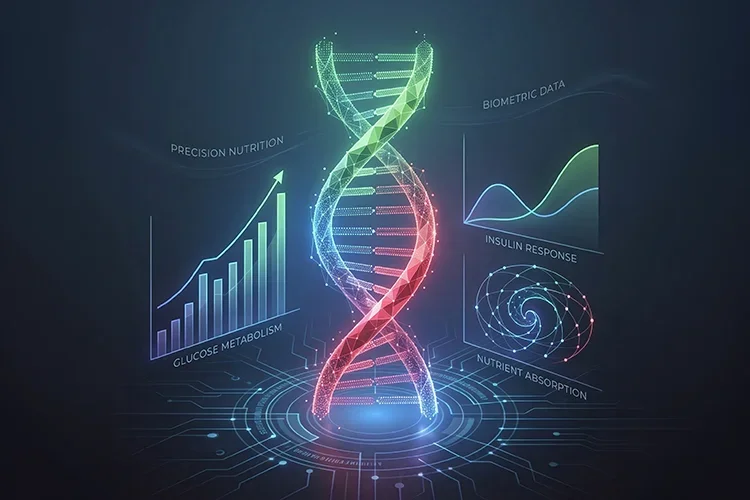
Click a point below to jump to the details.Decoding your body's data for a smarter, evidence based approach to nutrition. (Image: AI-generated)
For decades, we’ve been told there is a "gold standard" diet for everyone—whether it’s Mediterranean, Low-Carb, or Plant-Based. However, you may have noticed that while some feel vibrant on one plan, others might feel sluggish or bloated. This isn't about willpower; it’s a reflection of your unique genetic blueprint.
Precision nutrition moves beyond one-size-fits-all advice. By analyzing how your DNA interacts with the nutrients you consume through Direct-to-Consumer (DTC) testing, you can stop experimenting with your health and start making data-driven choices that align with your body’s internal logic.
Understanding Your Relationship with Caffeine
If you are a slow metabolizer, caffeine stays in your system much longer. This can unknowingly disrupt your sleep and the brain’s natural nightly "cleaning" process. By understanding your metabolic speed, you can adjust your coffee ritual to maintain focus during the day while ensuring your nervous system gets the rest it needs.
Personalizing Your Supplement Protocol
The supplement industry is vast, but your body may not need everything on the shelf.
For example:
The VDR (Vitamin D Receptor) Gene
Some people naturally need a higher intake to maintain healthy levels because their body’s "doors" for Vitamin D are a bit harder to open.
The MTHFR Gene
This plays a key role in how your body uses Folate, determining if you might benefit more from specific, "active" forms of B vitamins for heart and brain health.
Instead of guessing, genetic data allows you to build a targeted protocol that addresses what your body actually seeks for balance.
Refining Your Response to Carbs and Fats
When it comes to weight management, your genes help define your metabolic flexibility—your body’s ability to switch between burning carbs and fats efficiently.
A key player here is the AMY1 gene, which produces salivary amylase (the enzyme that starts breaking down starches in your mouth). The number of copies of this gene varies from person to person. If you have fewer copies, your body might experience sharper blood sugar spikes from the same amount of carbohydrates compared to someone with more copies.
Likewise, certain genetic variations in fat processing can make a high-fat Ketogenic diet inflammatory for some, while others may find it highly effective.
To personalize your strategy, a helpful approach is to focus on these four metabolic pillars:
Determine Your Carbohydrate Tolerance
Explore whether your genetics favor a lower-glycemic approach. This helps you choose the right types of carbs to maintain steady energy and prevent insulin resistance.
Analyze Your Lipid Metabolism
Understand how your body processes different fats. This insight allows you to choose between saturated and unsaturated fats in a way that best supports your cardiovascular health.
Identify Antioxidant Needs
See if your body seeks extra support from phytonutrients (natural compounds found in plants) to help manage oxidative stress and cellular recovery.
Monitor Potential Micronutrient Gaps
Pinpoint specific needs for essential minerals like Magnesium or Zinc. Your genes can influence how efficiently these nutrients are transported and used by your cells.
Bringing Precision Nutrition into Your Daily Life
Once you have your genetic report, the journey moves from data to action. This is where your biological roadmap becomes a practical guide for your kitchen and lifestyle.
For instance, if your data reveals a high sensitivity to sodium or a slower metabolism of saturated fats, you can proactively choose ingredients that better support your heart health. Precision nutrition is not about restriction; it is about empowerment. It’s about having the bio-individual data to make choices that truly resonate with your body.
Consider the impact of alignment: choosing a path tailored to your DNA can lead to much more sustainable results than following a "fad diet" that may actually fight your natural biology. Whether your goal is weight management or simply feeling more vibrant, working with your system makes the process feel effortless rather than like an uphill battle.
This approach leverages epigenetics—the fascinating science of how your food and environment act like "switches" for your genes. Through targeted nutrition, you aren't just eating; you are actively influencing how your genes express themselves to support your long-term longevity.
Frequently Asked Questions
-
Your DNA sequence stays the same, but how those genes "behave" can change based on your age, environment, and lifestyle. Think of your DNA as the "hardware" and your lifestyle as the "software." While the hardware is set, we can constantly update the software to optimize performance as you grow.
-
DTC (Direct-to-Consumer) tests are wonderful for exploring wellness traits like nutrient metabolism. Clinical testing is typically used by doctors to diagnose specific medical conditions. For a personalized lifestyle and meal plan, DTC kits provide excellent, actionable data.
-
A genetic predisposition is a "head-up," not a diagnosis. It’s always best to pair your genetic report with a blood test to see your current levels. Your diet may already be compensating for that gap. We recommend sharing your report with a professional to find the precise balance for your needs.
Navigating Your Health with Guidance
Genetic markers show your potential, but your current lifestyle and blood work show your reality. Precision nutrition is most effective when these pieces come together.
Sources & References
- [1] Berry, S. E., et al. (Nature Medicine, 2020) "Human postprandial responses to food and potential for precision nutrition." PREDICT 1 Study: Individual Metabolic Variation
- [2] Cornelis, M. C., et al. (PubMed / Human Molecular Genetics, 2016) "Genome-wide association study of caffeine metabolites provides new insights to caffeine metabolism and dietary caffeine-consumption behavior." National Institutes of Health - PubMed Archive
- [3] Rukh, G., et al. (The American Journal of Clinical Nutrition, 2022) "Dietary starch intake modifies the relation between salivary amylase gene copy number and BMI: a replication study." Interaction between AMY1 Gene & Starch Digestion
- [4] npj Science of Food / Nature (2025) "Personalized prediction of glycemic responses: role of the gut microbiota." Next-Gen Glycemic Forecasting & Gut Microbiome
Read Next