Cancer Drugs for Alzheimer’s? The Next Frontier in Dementia Treatment
At a Glance
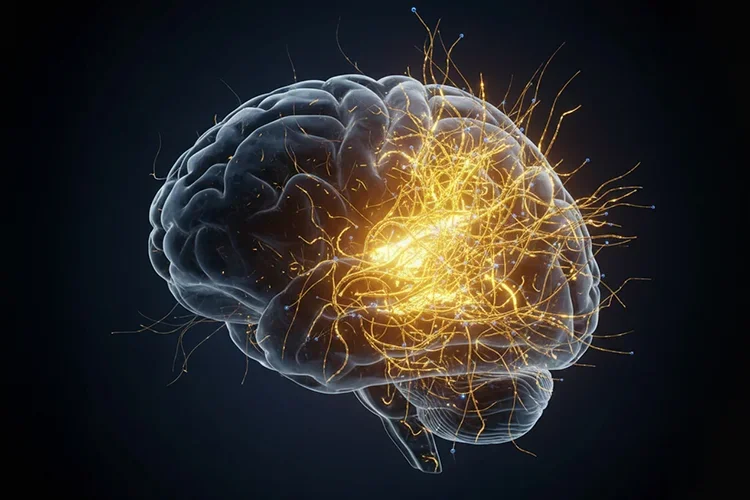
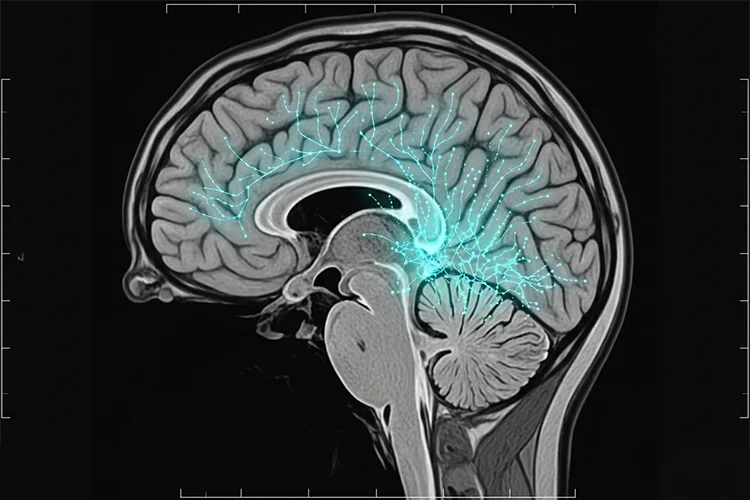
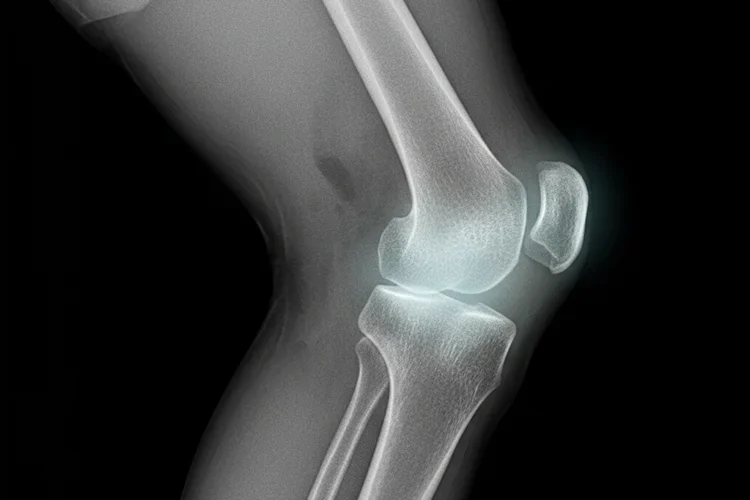
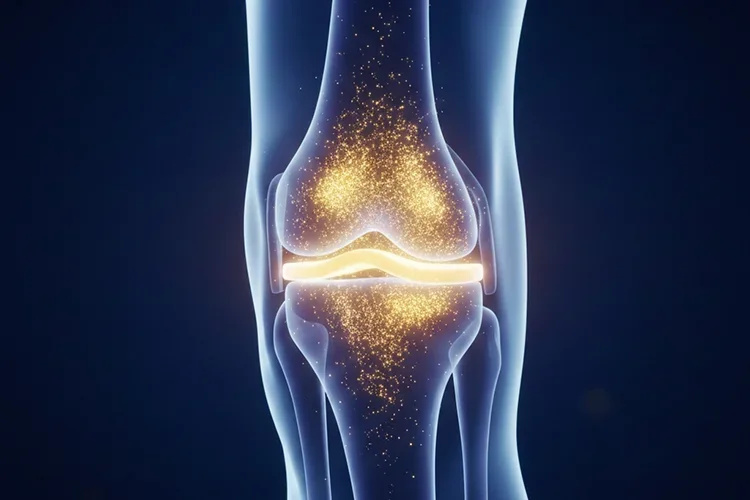
Click a point below to jump to the details.Existing cancer drugs may help restore neural pathways in the brain. (Image: AI-generated)
For decades, Alzheimer’s disease has been the "graveyard" of promising drugs.
Countless therapies designed to clear the brain of toxic amyloid-beta proteins have failed in human trials, leaving millions without effective treatment.
However, researchers are now looking in an unexpected place—the oncology ward.
The concept driving this revolution is drug repurposing.
Instead of spending billions and decades developing a molecule from scratch, scientists are testing existing, proven drugs to see if they can tackle different diseases.
How Cancer Drugs "Clean" the Brain
The specific drugs being studied, known as tyrosine kinase inhibitors (TKIs), target enzymes that control cell growth and signaling. While their primary job in oncology is to stop cancer cells from multiplying, their effect in the brain is remarkably different.
One of the primary culprits in Alzheimer's is the accumulation of tau tangles and amyloid plaques, which choke off communication between neurons and trigger cellular death.
Triggering Autophagy
These cancer drugs appear to stimulate the brain’s natural "trash disposal" system, a process called autophagy. This allows neurons to physically break down and digest the toxic protein aggregates that cause Alzheimer's.
Lowering Neuroinflammation
Chronic inflammation is a "silent killer" in the brain. By inhibiting specific inflammatory pathways, these drugs reduce the immune system's overreaction, which often accelerates brain aging.
Crossing the Blood-Brain Barrier (BBB)
One of the biggest challenges in neurology is getting drugs into the brain. These specific cancer drugs are designed to be small enough to cross the BBB, ensuring that the treatment actually reaches the sensitive neural tissues it aims to protect.
The Economic and Social Impact of Drug Repurposing
Developing a new drug from the ground up can take over 10 to 15 years and cost upwards of $2.6 billion. For a disease as complex as Alzheimer's, the failure rate is over 99%.
Since these cancer drugs have already undergone extensive safety testing in humans, we already know their pharmacokinetics—how they move through the body and what their side effects are.
This existing data could shave years off the approval process, bringing life-changing treatments to patients who cannot afford to wait. It shifts the focus from "Will this drug kill the patient?" to "How effectively does this drug save the patient's memory?"
Why This Matters for the Future of Aging
The implications for longevity and cognitive health are immense. In mouse models, those treated with these inhibitors didn't just show less plaque; they showed functional recovery.
Restored Learning
Mice performed significantly better in spatial memory tests, such as navigating mazes, indicating that their brains were physically processing information more effectively.
Synaptic Regrowth
Researchers observed an increase in dendritic spines, the tiny protrusions on neurons that form the "docking stations" for communication. This suggests that the brain can, to some extent, repair its own wiring.
A Precision Approach
By targeting the underlying cellular stress signals, we are moving away from the "one-size-fits-all" approach to a more precision-based neurology.
Frequently Asked Questions
-
Cancer drugs often target cell signaling and waste removal processes.
In Alzheimer's, these same processes are broken, leading to protein buildup. By "repurposing" these targeted therapies, we can fix cellular issues in the brain using tools already built for oncology.
-
This is a key concern. However, for Alzheimer's treatment, researchers often use lower doses than what is required to kill cancer cells, which may minimize toxicity while still providing neuroprotective benefits.
-
Technically, these drugs are already on the pharmacy shelves for cancer patients. However, they are not yet used in practice for Alzheimer’s. Even if a drug is FDA-approved for one condition, doctors won't prescribe it for dementia until specific clinical guidelines and safety protocols are established. While the "repurposing" path is faster, we are still waiting for large-scale human data to move this from a "theoretical possibility" to a "standard prescription.
From Mice to Men
While mouse studies are an essential first step, the transition to human patients is where many breakthroughs stall. However, the advantage here is that the safety profiles of these drugs are already well-documented. We are moving away from the idea that Alzheimer's is an untreatable death sentence.
By looking at the body as an interconnected system—where a lung cancer drug might just save a grandfather’s memory—we are entering an era of truly integrated precision medicine.
The future of brain health may not lie in a "miracle pill" that doesn't exist yet, but in the intelligent reuse of the powerful medicines we already have on our shelves.
Sources & References
- ScienceAlert (2024). "Latest Research and News on Alzheimer’s Disease." Neurology Archive.
- UC San Francisco (UCSF) (2025). "Do These Two Cancer Drugs Have What It Takes to Beat Alzheimer’s?" Medical Research News.
- Alzheimer's Drug Discovery Foundation (ADDF) (2024). "Will the First Effective Alzheimer’s Treatment Be a Repurposed Drug?" Official Research Insight.
Read Next