What If Your Damaged Joints Could Actually Heal Themselves
At a Glance
- Stanford researchers found an enzyme called 15-PGDH that quietly ages cartilage, and blocking it reversed some of that damage in mice, though it hasn't been tested in humans yet.
- The enzyme breaks down PGE2, a molecule cartilage cells need to repair themselves, and blocking it seems to help aging cells act young again.
- No stem cells or lab-grown tissue involved, just the same aging cells in mouse joints reprogramming themselves to produce smooth, functional cartilage instead of stiff scar tissue.
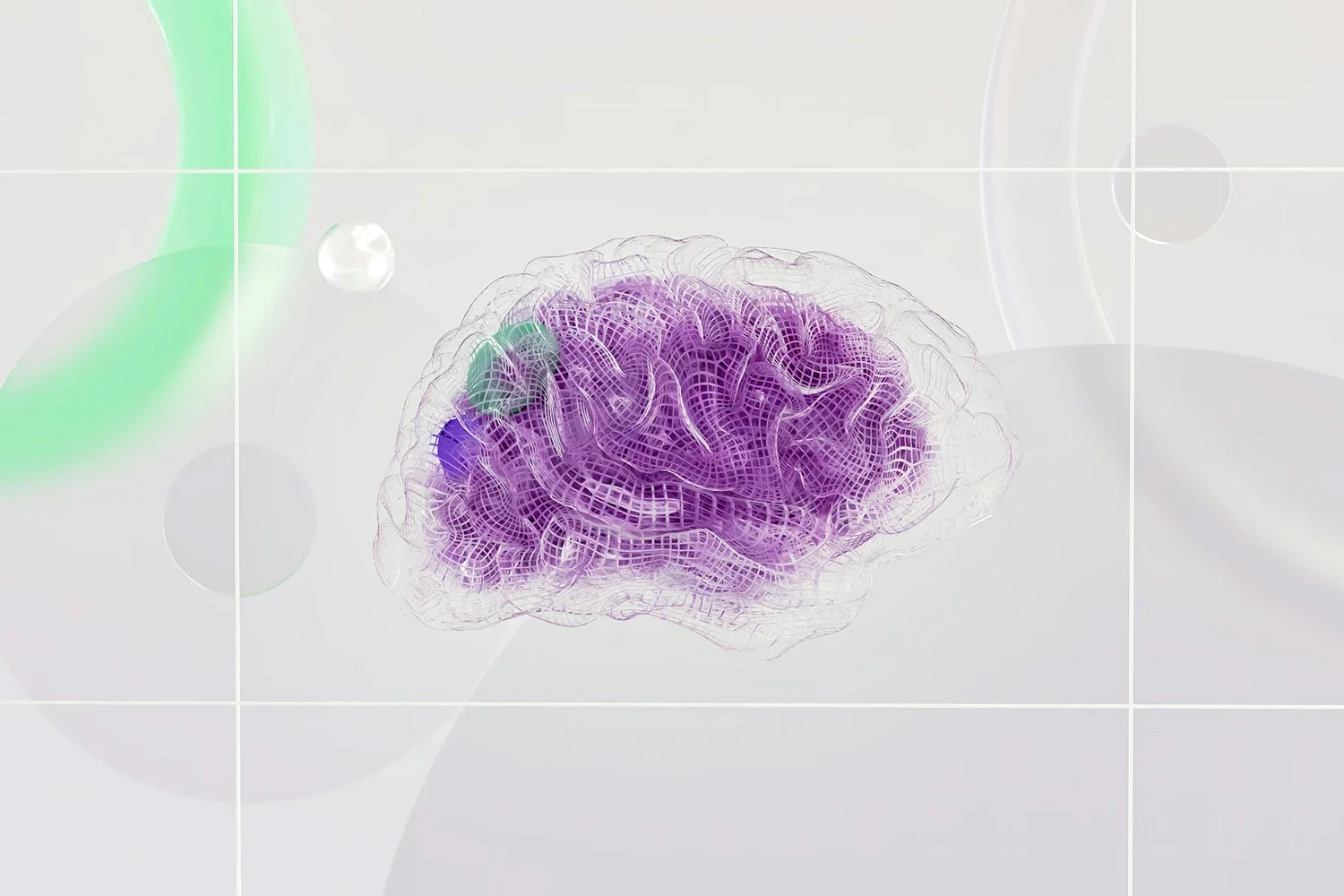
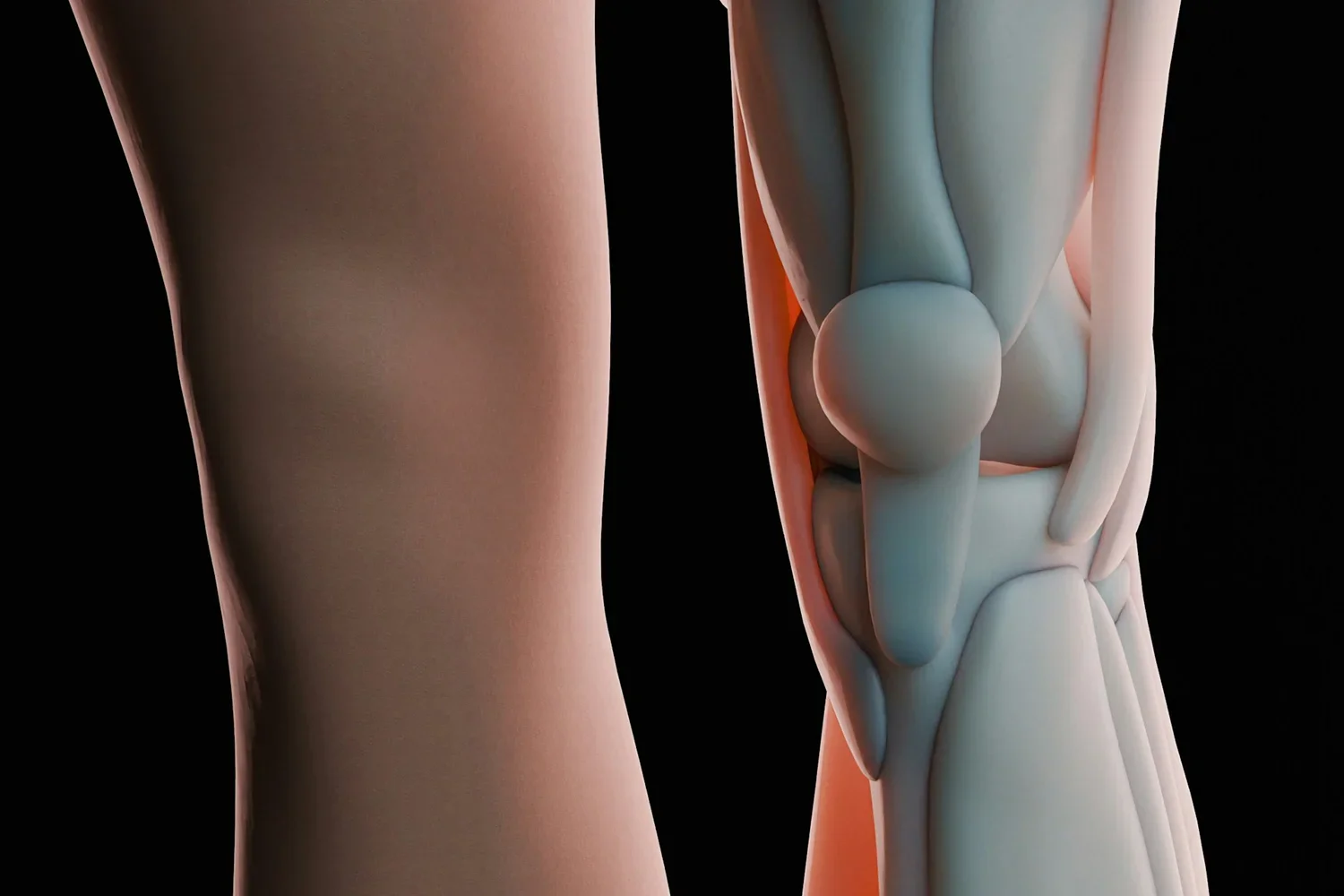
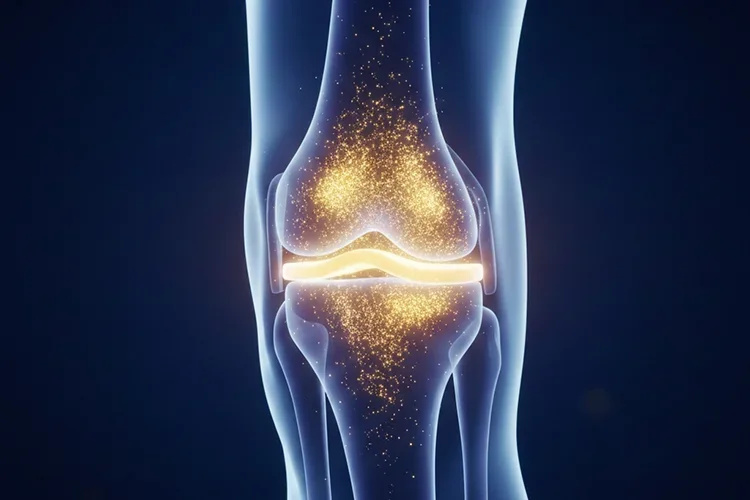
Regenerating joint cartilage using non-invasive biological treatments. (Image: AI-generated)
Cartilage has no blood supply of its own, so once it wears down from age or injury, it rarely grows back. For decades, that's been treated as a dead end that eventually leads to a hip or knee replacement. A team at Stanford Medicine just found a crack in that dead end, in an enzyme called 15-PGDH that appears to sit at the center of why aging joints stop repairing themselves.
Meet the Enzyme Quietly Aging Your Cartilage
There's a reason cartilage keeps coming up in aging research, and it comes down to one enzyme most people have never heard of. Researchers call it a gerozyme, an odd little term for proteins that build up specifically as the body ages and quietly chip away at its ability to repair itself. In cartilage, that protein is 15-PGDH.
- It works by breaking down PGE2, a molecule cartilage cells lean on to keep repairing themselves.
- In aging mouse joints, 15-PGDH levels run roughly twice as high as they do in younger tissue.
- The knock-on effect is that collagen, the structural protein holding cartilage together, breaks down faster than the body can replace it, which is what thins the cartilage and sets off the inflammation behind osteoarthritis.[2]
The Cells Were Already There
The part of this study that surprised even the researchers wasn't the regrowth itself, it was how it happened. Nobody added new cells, borrowed cells, or lab-grown tissue. The same cartilage cells already living in the joint simply changed their behavior.
- One group of aging cartilage cells, the ones producing 15-PGDH and driving cartilage breakdown, shrank from 8% of the population down to 3% after treatment.
- A second group tied to fibrocartilage, the stiffer, lower-quality tissue that normally fills in for lost cartilage, dropped from 16% down to 8%.
- A third group, the one responsible for building and maintaining healthy hyaline cartilage, nearly doubled, rising from 22% to 42%.[2]
None of this involved stem cells. The same aging cells that were part of the problem simply reprogrammed themselves into being part of the fix.
Frequently Asked Questions
-
Honestly, the researchers expected to find stem cells too. That's how repair usually works elsewhere in the body, new cells specialize and rebuild what's missing. Cartilage did something stranger. The same aging cells already sitting there apparently just switched which genes they were using, with no new cells showing up at all.
-
Nobody's fully answered this one yet. Most tissues keep a small reserve of stem or progenitor cells on standby, ready to activate when repair is needed. Cartilage doesn't appear to have an equivalent reserve, at least not one anyone has found so far. So instead of calling in backup, the existing cartilage cells seemingly reprogram themselves right where they are.
-
Not even close, biologically speaking. Fibrocartilage, the tissue that typically fills in after cartilage damage, is stiffer and far less able to absorb shock, more of a patch than an actual repair. Hyaline cartilage, the kind this treatment appears to regrow, is the smooth, glossy tissue joints need to move without friction. That distinction matters quite a bit, since one holds up under decades of movement and the other doesn't.
Aging Might Not Be as Fixed as We Thought
What's genuinely interesting here reaches beyond one enzyme or one joint. This isn't the first tissue where blocking 15-PGDH has shown this kind of effect, though all of it so far comes from animal models or isolated tissue, not treated human patients.
Put together, these findings hint at something bigger than any one treatment. Aging tissue might not be permanently locked into decline the way it's long been assumed to be. In several very different tissues now, the same cells seem capable of quietly reversing course, if something simply stops telling them to age, though whether that holds up in humans is still an open question pending clinical trials.
Sources & References
- [1] Stanford Medicine (2025). "Blocking a master regulator of aging regenerates joint cartilage in mice." Stanford Report.
- [2] Singla, M., Wang, Y. X., et al. (2025). "Inhibition of 15-hydroxy prostaglandin dehydrogenase promotes cartilage regeneration." Science.
- [3] Palla, A. R., et al. (2021). "Inhibition of prostaglandin-degrading enzyme 15-PGDH rejuvenates aged muscle mass and strength." Science.
- [4] Bakooshli, M. A., Wang, Y. X., Monti, E., et al. (2023). "Regeneration of neuromuscular synapses after acute and chronic denervation by inhibiting the gerozyme 15-prostaglandin dehydrogenase." Science Translational Medicine.
Read Next