The Knee Injection That Could Stop Arthritis Before It Even Starts
At a Glance
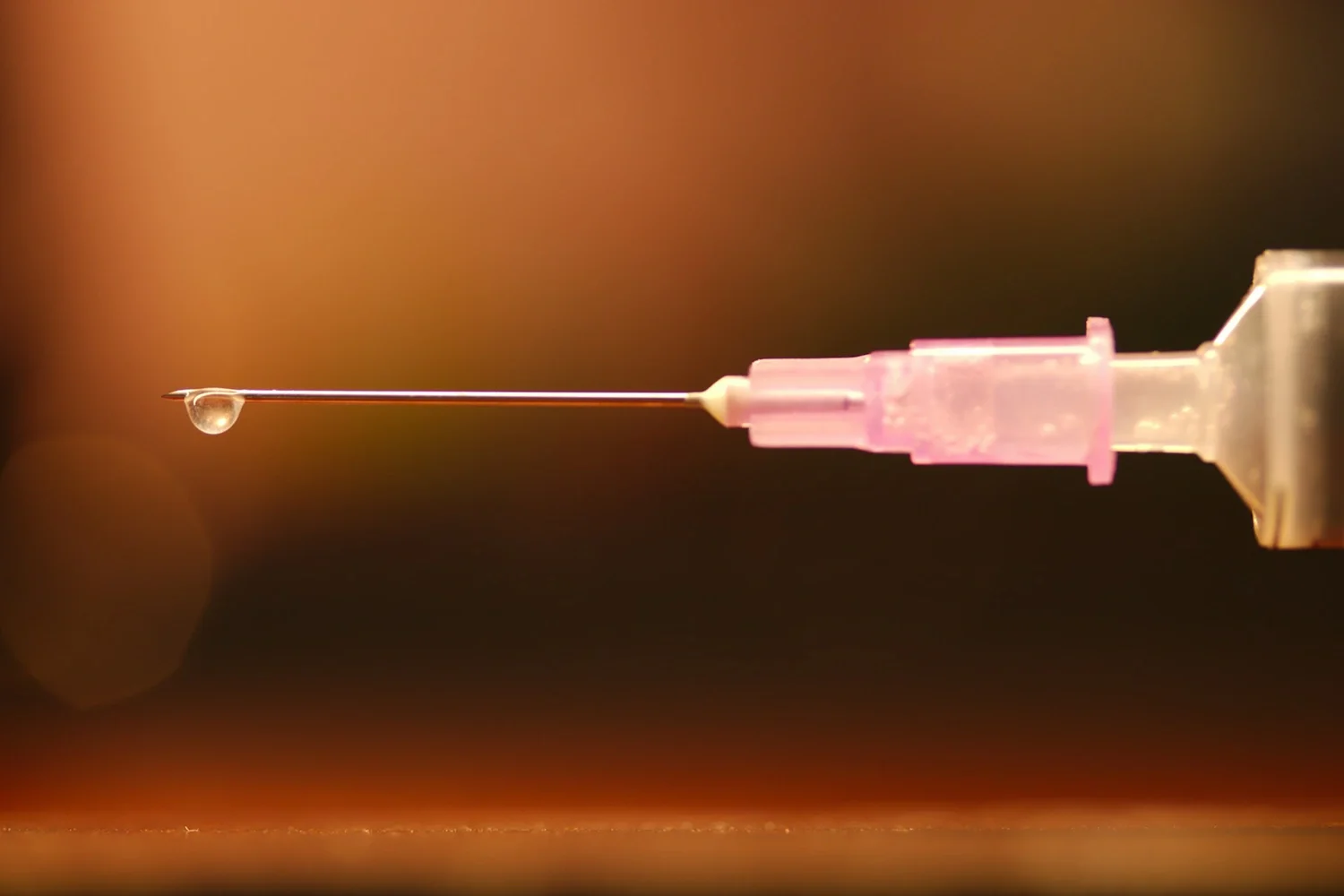
- The injection isn't for treating arthritis you already have, it's aimed at joints right after an injury, before arthritis even has a chance to start.
- In mice, giving the shot within days of a knee injury dramatically lowered the odds of arthritis developing years later.
- It's not available anywhere yet. The injection itself hasn't been tested in humans, though a related pill already passed safety trials for a different use.
Credit: Bhautik Patel / Unsplash
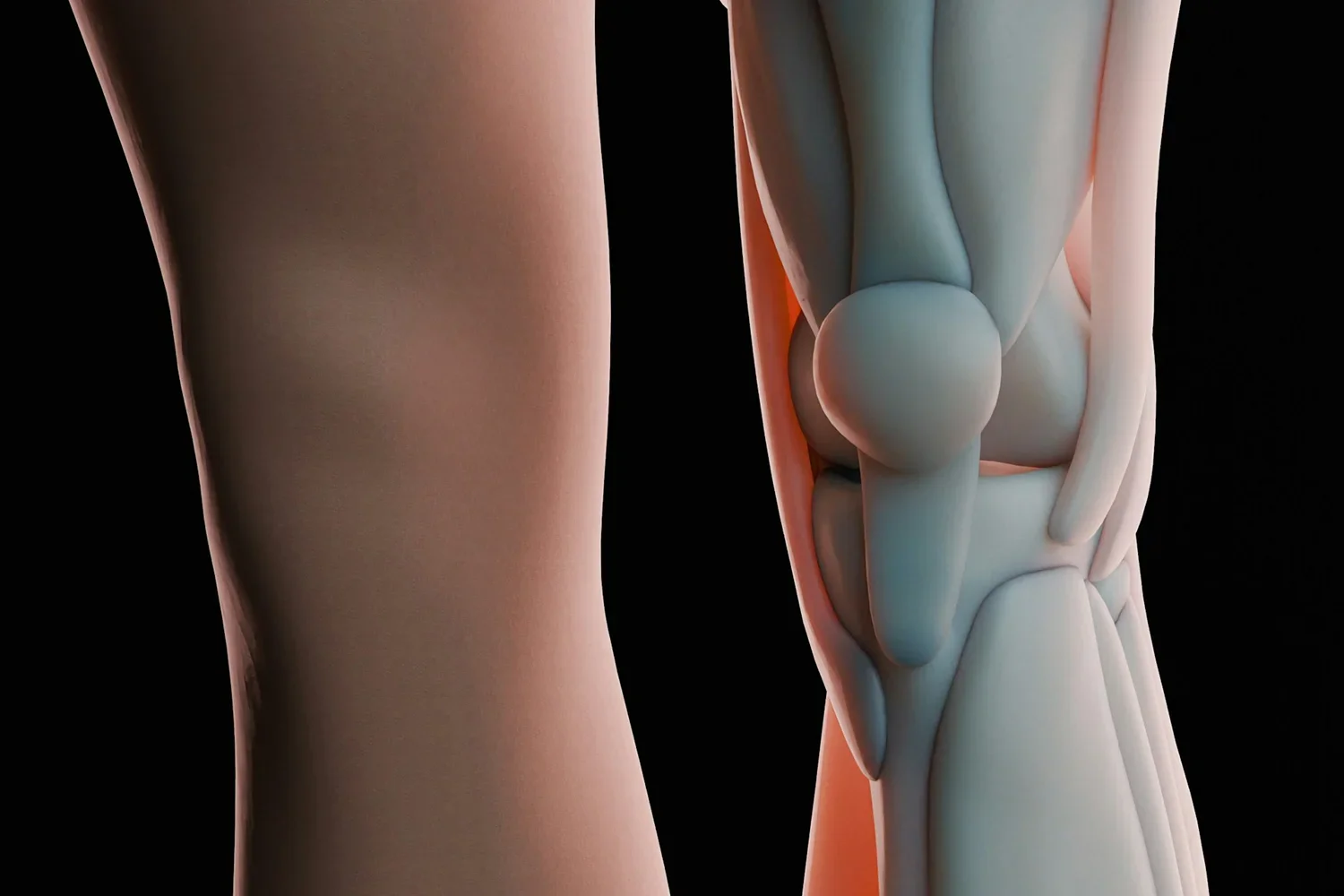
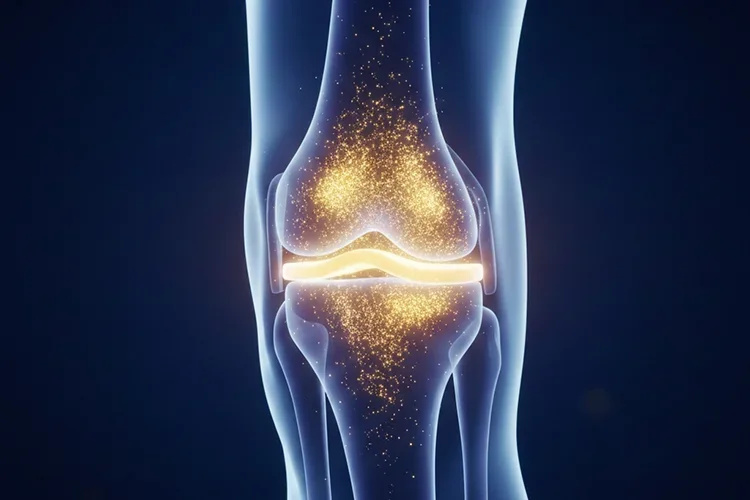
Cartilage has no blood supply of its own, so once it wears down, the body can't rebuild it the way it heals a cut or a broken bone. Right now, the only real options are pain management and, eventually, surgery.
What's Actually in the Shot
The science behind it is simpler than it sounds. 15-PGDH breaks down a molecule called PGE2 that cartilage cells rely on to repair themselves.
The Real Opportunity: Catching Arthritis Before It Starts
Here's where it gets practical. About half of people who tear their ACL develop osteoarthritis in that joint within 15 years, even after a successful surgical repair.
That's a different use case than treating existing arthritis. It's catching the damage before it has a chance to set in, right in that early window after an injury.
What's Been Tested in Actual Humans
This is the part worth being upfront about. Everything above happened in mice. The knee injection hasn't been tested in people yet.
That doesn't guarantee the knee version will work the same way in humans, but it's a meaningful head start on the safety side.
Frequently Asked Questions
-
No. It's still in animal studies. Researchers hope to move toward human trials, but there's no timeline for when it might reach a doctor's office.
-
That hasn't actually been tested. The treatment works by nudging existing cartilage cells back to life, so researchers suspect it needs some cartilage left to work with, but nobody has studied how it performs in advanced, bone-on-bone cases specifically. If you're dealing with that level of arthritis, this is a conversation for your doctor, not something these studies have answered yet.
-
Cortisone and PRP mainly calm inflammation or encourage general healing. This targets the specific molecular reason cartilage stops repairing itself as we age, which is a different mechanism entirely, and why researchers are this excited about it.
The Bottom Line
None of this means knee replacements are obsolete tomorrow. But it does mean the "wait and see" era of joint injuries might not last much longer. If the human trials go the way the mouse data suggests, the smartest move after a bad knee injury may not be resting and hoping for the best. It could be catching it early enough that arthritis never gets the chance to start.
Sources & References
- [1] Centers for Disease Control and Prevention (CDC) (n.d.). "Osteoarthritis." Arthritis Data & Statistics.
- [2] Stanford Medicine (2025). "Blocking a master regulator of aging regenerates joint cartilage in mice." Stanford Report.
- [3] Singla, M., Wang, Y. X., et al. (2025). "Inhibition of 15-hydroxy prostaglandin dehydrogenase promotes cartilage regeneration." Science.
- [4] Palla, A. R., et al. (2021). "Inhibition of prostaglandin-degrading enzyme 15-PGDH rejuvenates aged muscle mass and strength." Science.
Read Next