Brown Noise for Deep Work and How to Design Your Daily Soundscape for Focus
At a Glance
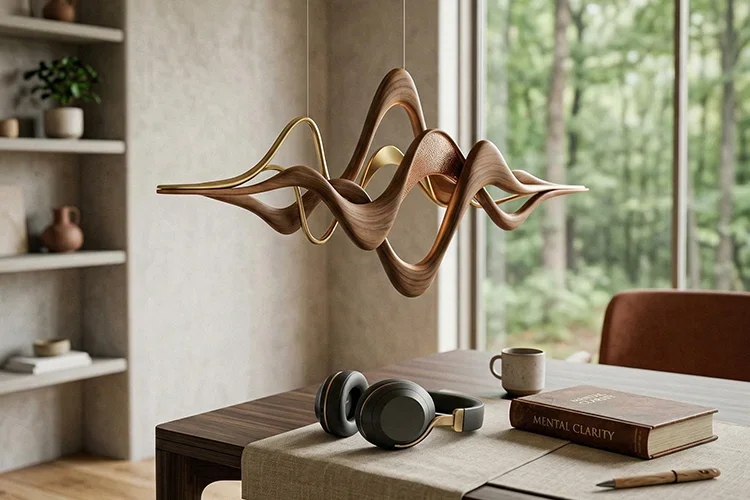
Click a point below to jump to the details.Designing a quiet workspace to cultivate mental clarity and flow. (Image: AI-generated)
When we think about interior design, we often focus on visual harmony or the scent of a signature home fragrance. However, the most overlooked element of a sophisticated lifestyle is the acoustic environment.
Our brains are naturally wired to scan for sudden changes in sound. This primitive survival instinct is exactly why a slamming door or a distant car horn can instantly shatter your concentration.
Designing a soundscape is like hanging invisible curtains of sound in your room. It is not about creating total silence, which can sometimes feel unnerving.
Instead, it is about filling the space with consistent, soothing frequencies that allow your nervous system to relax. By curating your sonic surroundings, you take control of your environment, creating a stable foundation for your daily rituals.
Decoding the Colors of Sound: From Pink to Brown
Pink noise is often compared to steady rain or the rustling of leaves in the wind. It has a deeper, more balanced profile than white noise.
It adds a natural texture to the air that makes a room feel alive without being intrusive.
Brown noise goes even deeper into the lower frequencies. Imagine the powerful, low-frequency hum of a distant waterfall or the deep rumble inside a large airplane cabin. Because it lacks high-pitched sounds, it feels incredibly grounding. For those who struggle with racing thoughts or high-stress environments, brown noise acts as a mental anchor, providing the isolation needed for true deep work.
How to Audit and Design Your Space
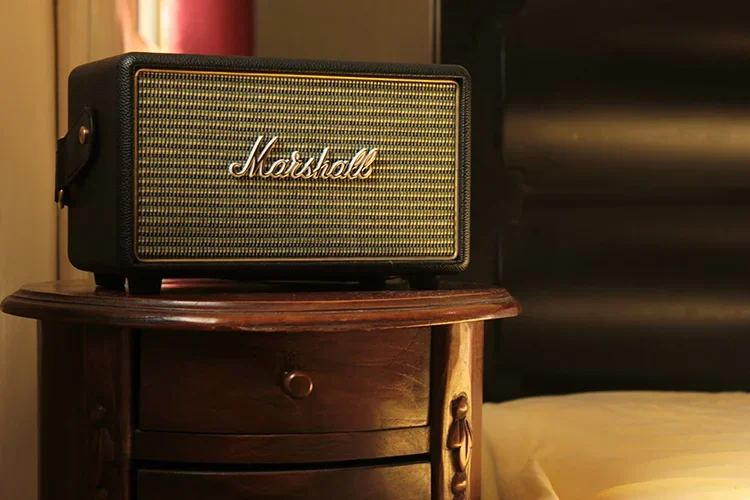
Credit: Diane Aguilar / Unsplash
To master your soundscape, start by looking at the different "zones" in your life. Each activity requires a specific sonic mood.
For High-Intensity Focus
Use high-quality noise-canceling headphones with brown noise. This creates a private sanctuary, especially if you live in a noisy urban area where low-frequency traffic noise is constant.
For Reading and Creative Work
Play pink noise through high-fidelity room speakers. This adds a layer of comfort to the room and prevents it from feeling too empty.
For Winding Down After Work
Try natural ambient sounds. This acts as a psychological "off-switch," signaling to your brain that the high-output part of your day is over.
Volume is key to a successful soundscape. The sound should be loud enough to hide distractions but soft enough to fade into the background. If you are actively "listening" to the noise, it is likely too loud. It should feel like the subtle hum of a high-end climate control system.
The Science of the 'Sonic Shield'
When your mind isn't constantly interrupted by these peaks, it stays in a focused state for much longer.
By using professional-grade soundscape apps or lossless audio files, you ensure the frequencies are pure. This is a subtle investment in your mental infrastructure.
Frequently Asked Questions
-
Yes, but volume control is critical. Keep it at a level that just masks background noise to avoid ear fatigue. We recommend taking a 10-minute "silent break" every 90 to 120 minutes to give your auditory system and brain a chance to recalibrate.
-
Absolutely. In fact, layering is highly recommended. Adding subtle natural textures—like rain or wind—to a pink noise base creates a more organic and immersive acoustic interior. This personalized blend can significantly enhance your creative flow.
-
The difference lies in bass reproduction. The deep, grounding rumbles of brown noise cannot be fully captured by small smartphone speakers. To experience the true cognitive benefits, using a high-quality Bluetooth speaker or dedicated sound machine is essential for rich, low-frequency fidelity.
Refining Your Daily Rituals
The best way to use soundscapes is to turn them into a productivity switch. If you play the same brown noise track every time you sit down to work, your brain will eventually associate that sound with "focus mode." This habit reduces the mental effort required to start difficult tasks.
Consider the hardware you use as well. A basic smartphone speaker often cannot produce the rich, low tones that make brown noise effective.
Investing in a dedicated sound machine or a speaker with a strong bass response can significantly improve the quality of your focus. In a world of visual noise, taking control of what you hear is a profound act of self-care.
Sources & References
- [1] Journal of Pediatric Education (2024) "Comparative evaluation of the effects of white and pink noise on cognitive functions." Analysis of noise colors on mental clarity and performance.
- [2] Neuropsychologia (2017) "The effect of pink noise on cognitive brain activity and memory consolidation." Scientific correlation between pink noise and brain wave stability.
- [3] Journal of the Acoustical Society of America (2023) "Energetic and informational masking in auditory perception." The physical principles of sound masking and cognitive attention.
- [4] Non-Occupational Health Effects (2022) "Quantifying the effect of noise on cognitive performance." Quantitative assessment of environmental sounds on focus and productivity.
Read Next