Scientists Found the Switch to Turn On the Body’s Ability to Regenerate
At a Glance
- Humans evolved to seal wounds with scar tissue for survival, but this blocked our natural ability to fully regenerate.
- Axolotl research found that macrophages act as conductors, deciding whether an injury scars or regenerates completely.
- Reactivating this dormant ability could someday help treat liver cirrhosis, stroke damage, and diabetic ulcers.
Credit: Luis Quintero / Unsplash
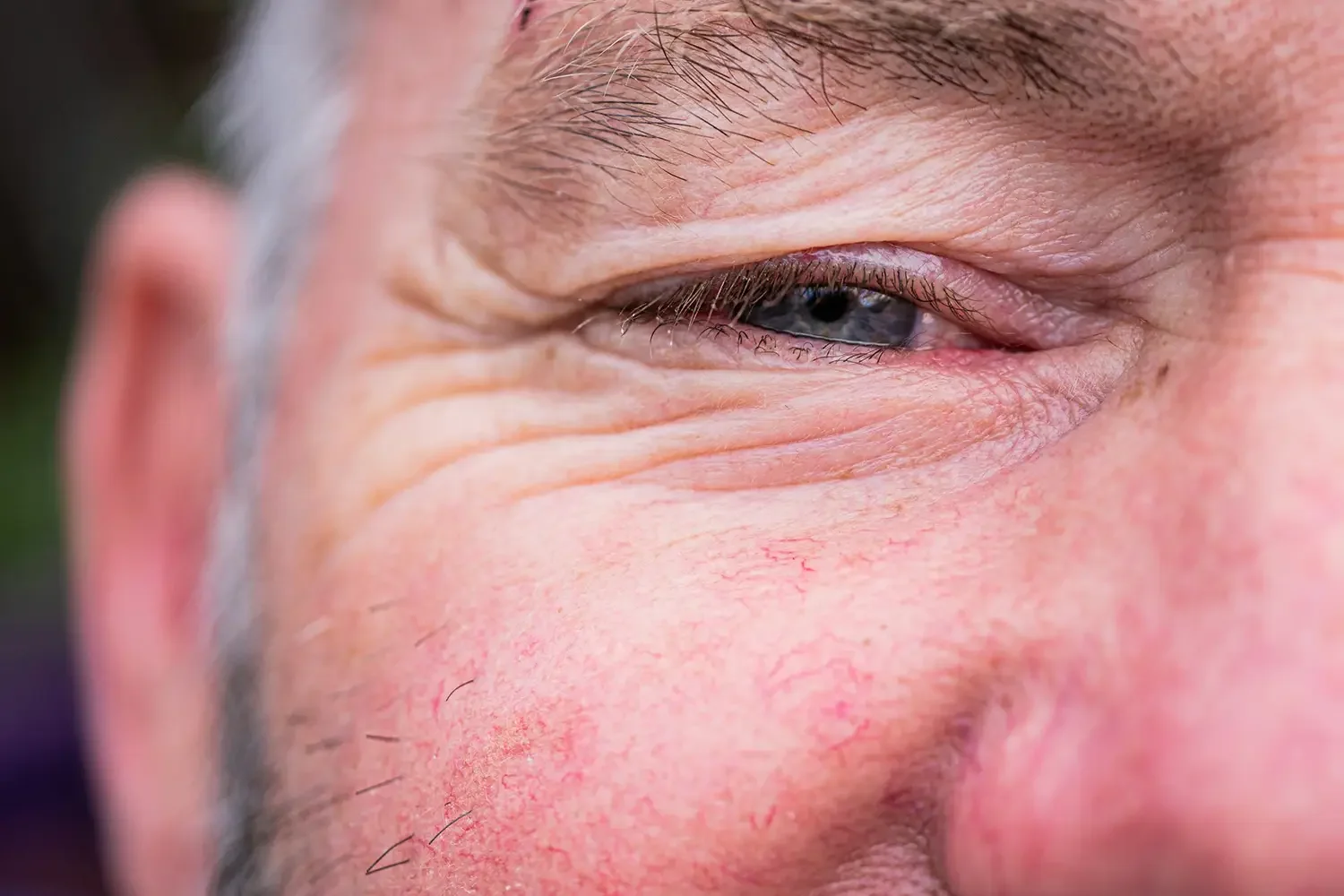
Throughout life, we accept scars left by wounds as a natural consequence of healing.
Yet, this efficiency comes with a heavy price, because the moment a wound is covered by a scar, the pathway for original neural networks and delicate vascular structures to return is permanently barred. For decades, traditional medicine has been unable to breach this fibrotic wall.
However, nature harbors an entirely different approach to trauma.
Its ability to achieve flawless morphological and functional restoration has long stood as a profound biological enigma. Now, scientists have finally captured the definitive clue showing where the evolutionary paths of humans and salamanders diverged.
The Dramatic Turn of a Scavenger Cell
Historically, medicine classified macrophages as biological janitors whose sole purpose was to engulf cellular debris and clear wound sites. Yet, studying the axolotl turned this definition upside down. Macrophages are not mere cleanup crews, but rather the high-level conductors that choose whether to flip the regeneration switch or seal the site with a scar.
The proof was elegant and definitive. When researchers artificially depleted specific macrophage populations from the axolotl, the salamander lost its regenerative power, closing the wound with a fibrotic scar just like a human. Conversely, reintroducing these cells instantly reactivated the rebuilding process.
This demonstrates that the success of tissue regeneration relies not on filling wounds with external stem cells, but on precisely modulating endogenous immune signaling networks.
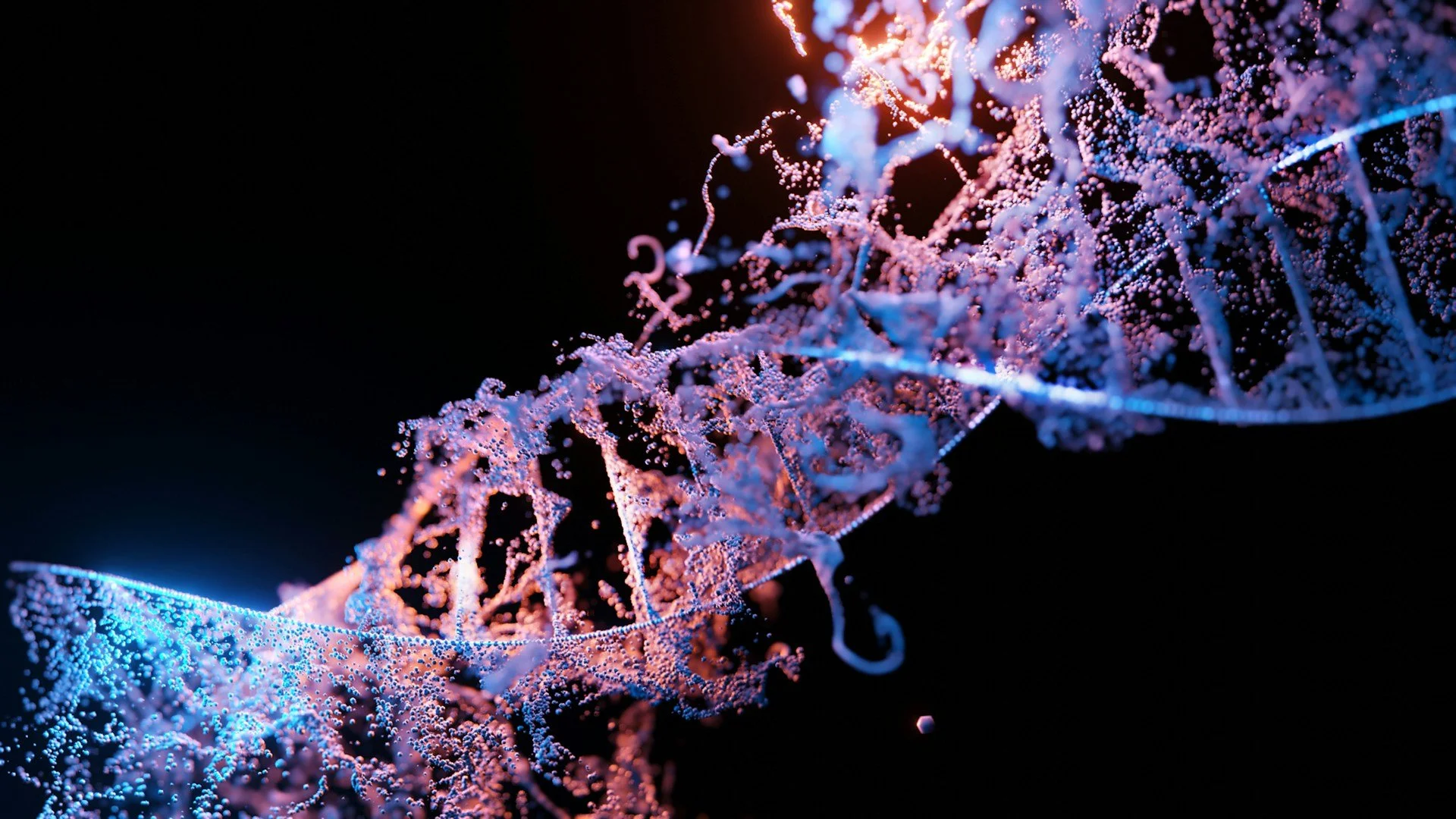
Credit: Sangharsh Lohakare / Unsplash
The Dormant Blueprint within Our DNA
The most promising realization is that humanity has not completely lost this foundational blueprint for perfect reconstruction.
During early infancy, human infants actively utilize genetic codes capable of restoring fingertips or minor cardiac tissues. As development concludes, the immune response prioritizing rapid closure simply suppresses these regenerative signals. The necessary cellular machinery remains intact within us, existing as a turned-off switch waiting to be flipped.
Instead of relying on surgical stem cell transplants, arranging specific chemical signals, including specialized growth and bone-forming proteins, in a meticulous sequence can override default cellular behavior. It guides cells to stop manufacturing scar tissue and begin weaving the original anatomical architecture. This precise signaling control has successfully verified the regrowth of microscopic bone, joints, and tendons in mammalian models.
For this delicate biological symphony to execute flawlessly without adverse effects, several critical parameters can align in harmony:
A clean chemical environment that allows cells to exchange data without distortion
A biocompatible structural scaffold that guides cell division and migration along the original coordinates
Advanced targeting technologies that confine these potent regeneration signals strictly to the injury site
When these variables operate in harmony, the body can initiate complete, native reconstruction without risking systemic biological chaos.
A Breakthrough Signaling New Hope for Chronic Conditions
Regrowing complex external limbs like a cinematic sequence remains a challenge for the distant future. However, the immediate value this medical breakthrough introduces lies in its power to fundamentally rewrite the treatment of chronic, intractable diseases. By curbing the reckless overproduction of fibrotic scar tissue, researchers hope to intercept devastating pathologies that gradually render vital internal organs less functional.
Post-surgical tissue adhesions, where internal organs abnormally fuse together during healing, and the formation of a rigid glial scar following a stroke—which permanently blocks neural regeneration—are directly tied to this exact fibrotic mechanism.
Chronic diabetic skin ulcers also represent a critical state where faulty macrophage signaling prevents a wound from transitioning into actual regeneration. From these localized conditions to systemic liver cirrhosis driven by chronic inflammation, the underlying culprit behind these destructive pathologies is always a cellular healing signal that has lost its proper direction.
By reverse-engineering the chemical language of macrophages to turn off this fibrotic switch, we unlock the ability to develop innovative regenerative therapeutics. This changes the goal of medicine from managing permanent organ decline to supporting the restoration of healthy biological function.
Frequently Asked Questions
-
It is an evolutionary choice for immediate survival. To prevent fatal infections and blood loss, humans and other mammals developed a system to rapidly seal open wounds with tough scar tissue. However, this quick-fix process permanently blocks the natural pathways required for nerves, blood vessels, and the original body structures to grow back.
-
Historically seen as simple biological janitors that clear out cell debris, macrophages are now proven to be the main directors of wound healing. They act as a master switch. When given the right chemical signals, they can stop the body from making default scars and instead guide cells to rebuild flawless, original tissue.
-
While fully regrowing entire human limbs remains a challenge for the distant future, this breakthrough offers immediate answers for researching chronic conditions. By learning to turn off the scarring switch to prevent tissues from hardening, scientists may discover ways to address severe damage, such as organs sticking together after surgery, hard scar walls forming in the brain after a stroke, liver cirrhosis, and diabetic ulcers, and help support the restoration of healthy organ function.
Transcending Human Biological Boundaries
Preserving structural integrity and securing genuine longevity against time and unpredictable injury is the ultimate pursuit of modern medicine. The paradigm is shifting away from outdated approaches that use foreign substances to mask symptoms or force wounds closed. The answer lies in placing our trust in the native biological infrastructure we were born with, politely awakening it through the lens of precision technology.
Ultimately, the final destination of future regenerative medicine is to precisely trigger dormant self-healing capacities, encouraging the body to restore its structural integrity on its own. Replacing the compromise of scarring with a flawless regeneration where every cell rediscovers its original texture is no longer a concept confined to science fiction. The great medical breakthrough destined to redefine human biological limits is already unfolding before us.
Sources & References
- [1] Odelberg, S. J. (2004). "Unraveling the Molecular Basis for Regenerative Cellular Plasticity." PLoS Biology.
- [2] Ambystoma Genetic Stock Center (2018). "How long does it take for a salamander to regenerate a limb?" Ambystoma.uky.edu (Sal-Site).
- [3] MDI Biological Laboratory (2021). "Who Is Coming to the Regeneration Party?" MDI Biological Laboratory.
- [4] Yu, L., Muneoka, K., et al. (2026). "Digit regeneration in mice is stimulated by sequential treatment with FGF2 and BMP2." Nature Communications.
Read Next