Why You Might Want to Skip the Hot Shower After a Cold Plunge: The Soeberg Principle
At a Glance
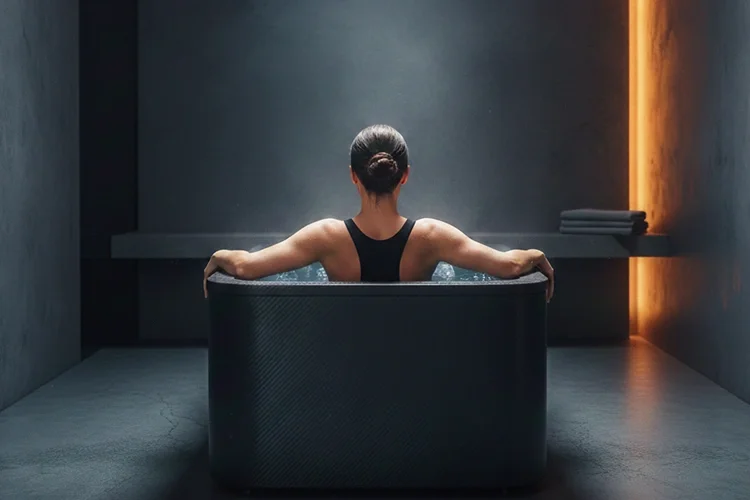
Click a point below to jump to the details.Supporting systemic recovery and mental resilience through precision engineered cold exposure. (Image: AI-generated)
The "Cold Plunge" has become a staple for athletes and high-performers worldwide. While much of the focus is on the freezing water, a key part of the ritual is actually what happens the moment you step out.
If you're rushing to a hot shower to stop the shivering, you might be missing out on some of the practice's most significant advantages.
The Science of the Soeberg Principle
Named after metabolic scientist Dr. Susanna Søberg, this principle is a key strategy for those looking to optimize their recovery.
Supporting the Metabolic Process
When exposed to cold, your body activates "brown fat"—a type of fat that burns energy to generate heat through a process called thermogenesis. If you provide external heat immediately via a hot shower, your body may perceive that the work is done and shut down this natural metabolic activity.
Gentle Vascular Conditioning
Cold immersion causes vasoconstriction (the temporary narrowing of blood vessels). Allowing them to return to their normal size naturally as you warm up acts like a gentle workout for your circulatory system. Rapidly introducing heat can cause sudden vasodilation (vessel widening), which may lead to lightheadedness or unnecessary stress on the system.
Maintaining Recovery Effects
Many choose cold plunging to help manage systemic inflammation. Moving into heat too quickly can draw blood flow to the skin's surface prematurely, potentially reducing the deeper recovery effects initiated by the cold stimulus.
Why Quality Equipment Makes a Difference
For those dedicated to their wellness journey, a purpose-built cold plunge unit often provides a more consistent experience than a manual ice bath.
Precision and Stability
Manual ice baths can have unpredictable temperature swings. High-quality gear maintains a precise set point, helping you stay within a safe and effective range—cold enough to trigger a response, yet stable enough for peace of mind.
Effective Water Circulation
In still water, the body creates a "thermal bandage"—a thin layer of warmer water around the skin. Advanced units keep the water moving to break this layer, ensuring the cold reaches your skin effectively throughout the session.
Hygiene for Daily Use
A consistent routine requires pristine water. Modern units often utilize ozone and UV filtration, which helps maintain a clean environment without the constant chore of manual cleaning.
Our Guide to "Natural Rewarming"
After you step out of the plunge, consider these steps to support your body’s natural recovery process:
1. Pat Dry, Don't Wrap Up Immediately
Gently remove excess water. If possible, let the air hit your skin for a minute to keep the cooling stimulus alive.
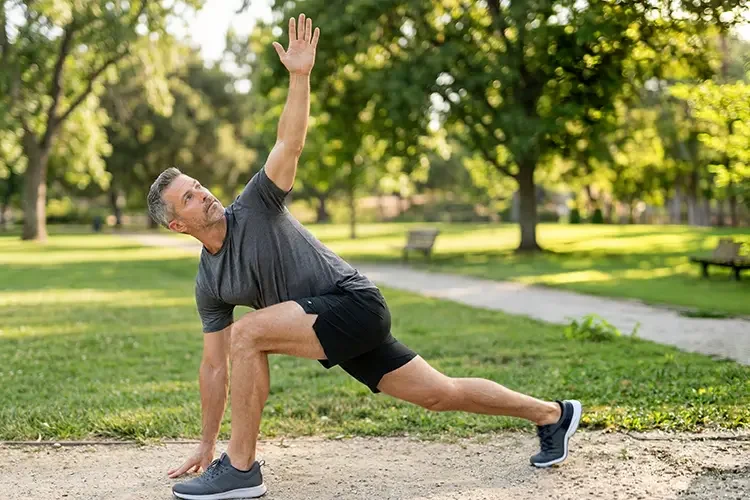
2. Engage in Light Movement
3. Wait 10 to 15 Minutes Before Seeking External Heat
Once you feel your temperature returning to its baseline on its own, a lukewarm shower is a perfect way to transition back to your day.
Essential Safety Considerations
High-end wellness is rooted in precision, not recklessness. While cold immersion offers incredible benefits, it is important to remember that the initial cold shock can be quite intense. If you have any history of heart or blood pressure concerns, the first and most important step is to consult your healthcare provider to ensure the practice is right for you.
Once you begin, focus on consistency over intensity.
Finally, always prioritize your body’s safety by avoiding alcohol before a plunge, as it can severely impair your system’s ability to regulate its own temperature.
Essential FAQs
-
A standard tub can work, but it often comes with logistical hurdles. The primary challenge is maintaining a steady temperature as ice melts, which can make it hard to achieve a consistent response. High-end units offer a "frictionless" experience—maintaining temperature within a fraction of a degree and keeping water clean for months. When a routine is automated and easy, you are much more likely to maintain the habit long-term.
-
The goal is "hormesis"—a beneficial stress response—not extreme discomfort. Evidence suggests that an effective range for metabolic support is often between 50°F and 59°F (10°C - 15°C). According to the Søberg Institute, as little as 11 minutes of cumulative exposure per week is enough to see mood and metabolic benefits. Pushing too hard for too long can sometimes overstress the nervous system.
-
This is an important distinction to make. If your primary goal is hypertrophy (increasing muscle size), you may want to wait at least 4 to 6 hours after lifting weights before plunging. The natural inflammation from training is a signal for growth, and cold immersion can sometimes dampen that signal. However, if your focus is on quick recovery, managing soreness, or mental resilience, plunging after a session remains highly effective.
Final Thoughts
Cold plunging is more than a test of willpower; it’s a way to stay in tune with your body's natural resilience. By allowing yourself to rewarm naturally, you are helping your system become more adaptable and self-sufficient.
This is a core part of biohacking—using thoughtful practices to support your body’s inherent ability to thrive.
Sources & References
- [1] Søberg, S., et al. (2021). "Altered brown fat thermogenesis during cooling in humans (The Søberg Principle)." Cell Reports Medicine.
- [2] Huberman, A. (2022). "The Science & Use of Cold Exposure for Health and Performance." Huberman Lab Podcast.
- [3] Sramek, J. J., et al. (2000). "Human physiological responses to immersion in quiet water of different temperatures." European Journal of Applied Physiology.
Read Next