China's NEO Beats Neuralink to Market, Real Test Ahead
At a Glance
- Shanghai's Neuracle, working with researchers at Tsinghua University, just secured the world's first commercial approval for a brain implant, beating Elon Musk's Neuralink to the milestone.
- Instead of piercing into brain tissue like Neuralink's design, NEO's eight sensors simply rest on the membrane covering the brain, a gentler approach that appears to have sped up its path through Chinese regulators.
- Patients with paralysis are already using it to control a robotic glove, though questions about long-term tissue wear and data security remain very much open.
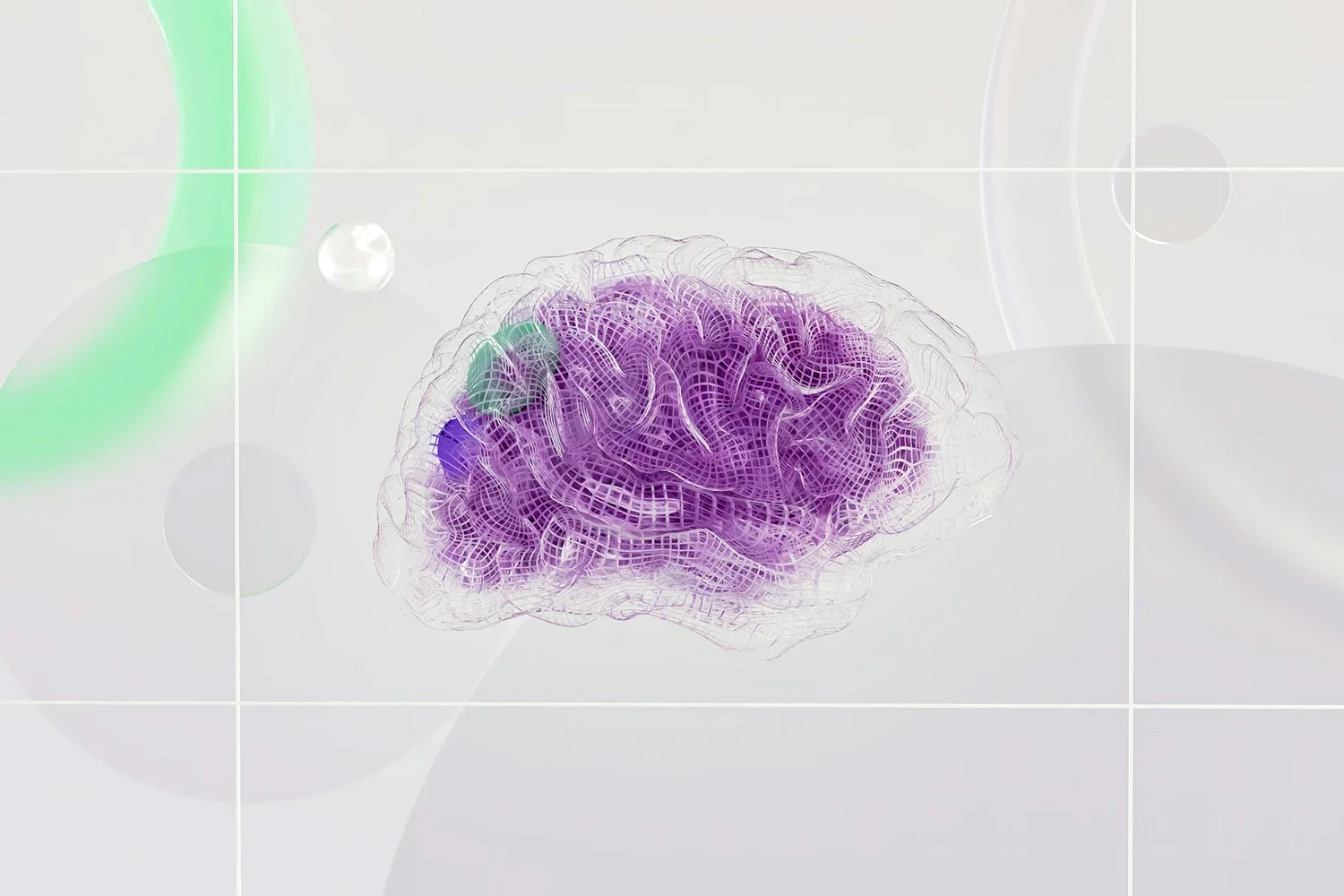
Credit: Google DeepMind / Unsplash
Why Sitting on the Surface Beats Going Deeper
For decades, brain-computer interfaces lived almost entirely inside research labs and clinical trials. NEO is now the first of its kind approved for everyday use outside that setting, a genuinely new chapter for the field.
Neuralink's N1 chip takes the direct route. Ultra-fine needles pierce straight into the cerebral cortex, and that depth is exactly what gives Musk's device its high-resolution data. It also invites the kind of complications regulators tend to worry about, since the body's immune system treats any object that breaches brain tissue as something to wall off or fight.
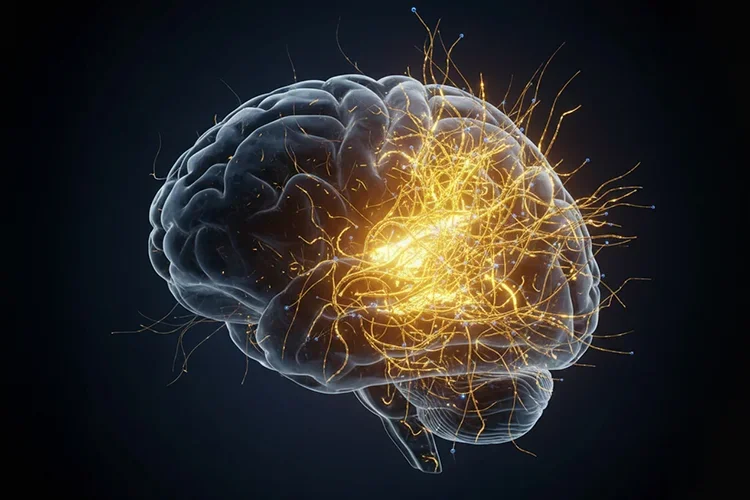
NEO took a different route entirely. The coin-sized device sits inside the skull, but its eight sensors never actually touch the brain. They rest on the dura mater, the tough membrane that already protects the brain from the rest of the body.
From Thought to Grip
For people with severe spinal cord injuries, the brain still forms the intention to move. What's missing is the wiring that would normally carry that signal down to the hand. NEO is designed to stand in for that missing wiring.
When a patient thinks about a specific movement, NEO's eight sensors pick up the resulting electrical activity on the surface of the brain. A transmitter on the scalp sends that signal, now translated into digital code, to a soft robotic glove the patient wears. The intention starts in the brain and ends, a moment later, as an actual movement of the hand.
Two Problems Nobody Has Fully Solved Yet
Sitting on the dura mater rather than piercing it doesn't eliminate every physical cost. A metal device housed permanently inside the skull can still cause friction over years of use, and the body's own immune response may try to wall the sensors off with scar tissue. If that happens, the resulting layer can weaken the signal the device is trying to read, which means these implants likely need ongoing monitoring for as long as they're in place.
The second concern has nothing to do with biology. NEO transmits data wirelessly, and any wireless link carries a risk of being intercepted. Losing a password is one thing. Losing access to the raw electrical signals behind your own intended movements is a different category of risk entirely, and it's one the field is still working out how to secure.
Why This Isn't Really a Race
Being first to a regulatory approval isn't the same as being first to a solution people can rely on for decades. NEO's real test isn't the launch, it's what happens to the device and the person wearing it ten or twenty years from now, once scar tissue, hardware wear, and data security have had time to become real problems rather than theoretical ones.
Whichever company, or country, eventually gets that part right will have done the harder work. Getting a chip approved is a milestone. Keeping a person safely connected to one for the rest of their life is the actual goal.
Sources & References
- [1] Fieldhouse, R., & You, X. (2026.) "China approves brain chip to treat paralysis — a world first." Nature, 651, 865-866.
- [2] You, X. (2026). "China has approved the world's first invasive brain-computer chip—here's what's next." MIT Technology Review.
- [3] News.com.au (2026). "'Jesus-level technologies': China beats Elon Musk to launch world's first commercial brain chip." News.com.au.
Read Next