The Shower Habit Quietly Causing Your Back and Chest Acne
At a Glance
- Wash your hair first, body last. Shampoo and conditioner residue is a bigger acne trigger than most people realize.
- Synthetic, non-breathable fabrics trap sweat against the skin. Cotton lets it breathe.
- Consistent habits beat expensive products for clearing back and chest acne.
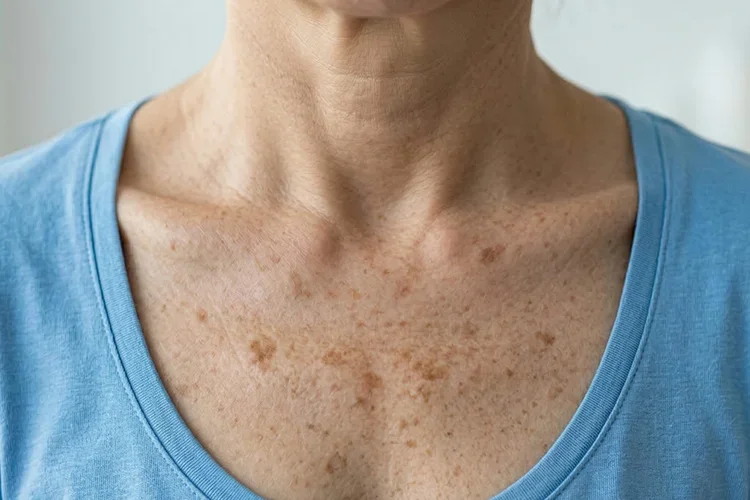
Clear skin on your back and chest starts with a few small shower habits, not a shelf of new products. (AI-generated image)
Most of us baby our facial skin with multi-step routines and ignore the skin on our backs and chest entirely. It's covered by clothing, so breakouts go unnoticed until they've already left scars. The fix isn't more product. It's a few precise changes to habits you're probably getting wrong right now.
The Real Trigger Behind Bacne and Chestne
The instinct is to blame harsh products. Usually, the problem is one small step already built into your routine.
Short Hair Won't Save You From This
It comes down to gravity. Shampoo's cleansing agents and conditioner's silicones run straight down your spine during rinsing.
Finish your entire hair routine, shampoo and conditioner both, before you wash your body. Rinse thoroughly, then let a gentle body wash clear away whatever's left on your back and chest. This one change can noticeably cut down flare-ups within a few weeks.
The Hidden Impact of Underwear Fabrics
Undergarments matter more than you'd think. Lace often has a cotton gusset up front, but the rest is usually nylon or polyester, both notorious for trapping heat and moisture against skin.
- Cotton wins for breathability. It lets air circulate instead of trapping moisture.
- Coarse synthetic textures can create tiny scratches you can't see, giving bacteria a way in.
- Save the lace for special occasions and prioritize natural, breathable fabrics for daily wear to let your skin breathe and recover.
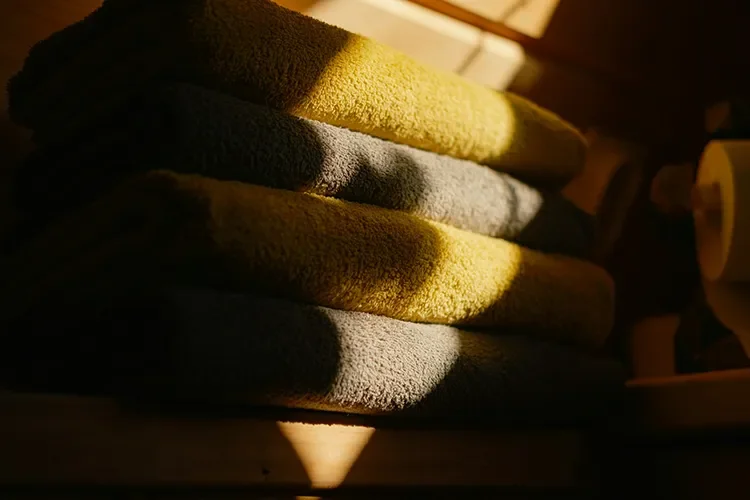
Credit: Anton Ryazanov / Unsplash
Maintaining Towel Hygiene and Replacement Cycles
Your towel might be undoing all that work. Bathrooms are humid, and bacteria thrive on damp fabric. A towel that looks clean can still reintroduce bacteria to freshly washed skin.
Use a fresh, dry towel daily if you can, or hang it somewhere ventilated outside the bathroom so it dries fully between uses. Swap natural loofahs every 3 to 4 weeks, and synthetic mesh sponges at least every 2 months.
Getting Your Water Temperature Right
Frequently Asked Questions
-
Habit changes are prevention, not a scar eraser. Scars and pigmentation fade on their own timeline as your skin naturally regenerates. Clearing the source of clogged pores just gives that process room to work. Want it faster? Pair these habits with a body mist containing AHA or BHA. Either way, the habits come first. Products can speed things up, but they can't do this part alone.
-
Yes, shower after every workout. Sweat sitting on skin is exactly the environment breakouts need. If dryness is the concern, lower the water temperature and use body wash only on the areas prone to breakouts, then rehydrate with a lightweight moisturizer right after. That combination handles both problems at once.
-
It's probably not the product. It's the rinse. Even great ingredients turn into irritants if they sit on skin instead of washing off completely. The center of your back is the hardest spot to reach, and soap residue loves to hide there. Use stronger water pressure, and rinse longer than feels necessary.
Consistency Beats Any Product
Clear skin isn't an overnight fix. It's the result of consistent, boring habits done correctly every single day. Shift your shower sequence, choose the right fabric, get your water temperature right, and give your skin room to heal itself. You don't need a shelf of expensive products. You need the discipline to stick with a few simple changes.
Sources & References
- [1] Feng, X., et al. (2026). "Truncal Acne: Pathophysiology, Clinical Features, and Management Strategies." Journal of Cosmetic Dermatology.
- [2] Rubin, I.K., et al. (2020). "Deposition and Retention of Hair Care Product Residue Over Time on Specific Skin Areas." Journal of Drugs in Dermatology.
- [3] Health 360 (2026). "The dermatologist-approved shower routine for healthier skin." Intermountain Healthcare.
- [4] Ludmann, P. (2026). "Dermatologists' top tips for relieving dry skin." American Academy of Dermatology.
Read Next